
New research progress briefs explore how renewable energy MSMEs can support sustainable agriculture
8 July 2026
Four new Research Progress Briefs have been published as part of the Clean Energy for Development research programme, sharing emerging insights from country projects in Burkina Faso, Kenya, Uganda and Vietnam.
The briefs are part of the three-year initiative “Leveraging renewable energy MSMEs for sustainable agriculture in Sub-Saharan Africa and South-East Asia”, led by the Partnership for Economic Policy (PEP) in partnership with Environment for Development (EfD), with support from the International Development Research Centre (IDRC).
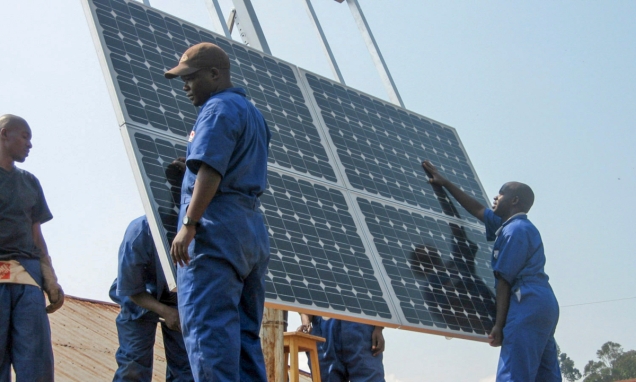
The programme explores how rural micro, small and medium-sized enterprises (MSMEs) can support the adoption of renewable energy technologies in agriculture, while strengthening climate resilience, improving productivity and promoting inclusion, particularly for women and young people.
In Burkina Faso, the research focuses on the adoption of solar-powered irrigation pumps among smallholder farmers. The project responds to challenges including water scarcity, rising fuel costs and climate variability, and will test how information campaigns, cost-benefit training, hands-on demonstrations and microfinance partnerships can increase farmers’ willingness to adopt clean energy technologies. The brief highlights the importance of women’s access to agricultural innovations and the role of tailored financing in supporting inclusive adoption.
In Kenya, the project examines how agricultural MSMEs can promote low-carbon agricultural technologies among women and youth smallholder farmers. The research focuses on solar water irrigation pumps and tests whether targeted information campaigns and training can help address barriers linked to awareness, affordability and access to finance. By comparing standard marketing with an enhanced approach that includes testimonials from existing adopters, the study will assess how peer experiences influence intentions to adopt renewable energy technologies.
In Uganda, the research looks at how information dissemination can support the adoption of low-carbon agricultural technologies. The project focuses on smallholder farmers, with particular attention to women, who make up a large share of agricultural labour in the country. The study will test different communication approaches, including farmer group workshops and radio-based messaging, to understand which channels are most effective in sharing information about the benefits of low-carbon technologies and available financing mechanisms.
In Vietnam, the project focuses on solar-powered water pumps in Đak Lak province, where many rural households face irrigation challenges during the dry season due to limited grid electricity and high diesel costs. The research will test whether gender-inclusive sensitisation workshops, delivered to both husbands and wives, can increase awareness, willingness to pay and adoption of solar-powered water pumps. The brief highlights the importance of involving both men and women in household decision-making around farm investments.
Together, the four briefs show how renewable energy MSMEs can play an important role in modernising agriculture, reducing reliance on fossil fuels and supporting more inclusive rural development. They also underline the need to address practical barriers to adoption, including limited information, affordability, financing gaps and gendered inequalities in access to technologies and decision-making.
Read the project page here.
Read the Research Progress Briefs:
- Burkina Faso: Transition to low-carbon agricultural technologies: The case of farmers in Burkina Faso
- Kenya: Transitioning to Low-Carbon Agricultural-Technology Solutions
- Uganda: Information Dissemination and Adoption of Low-Carbon Agricultural Technologies
- Vietnam: The impact of sensitization workshops of solar water irrigation in Vietnam
Webinar: Clean Energy Transitions: A care economy lens
Wednesday 16 September 2026
Clean energy transitions: what changes when we put care at the centre? Join us for an engaging webinar exploring how clean energy transitions can do more than expand access to power: they can also reduce drudgery, shift how unpaid care work is recognised and shared, and open up new opportunities for women and young people in […]
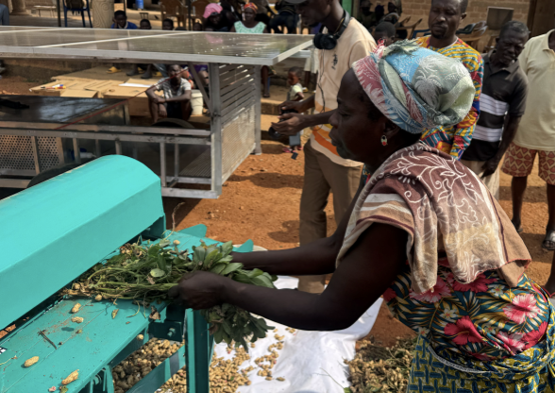
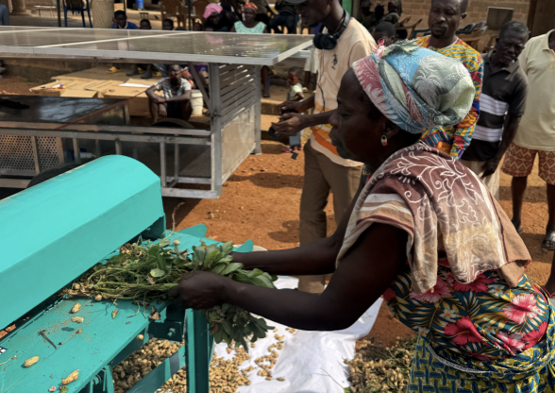
Smallholder farmer testing INFoCAT renewable energy powered groundnut pod plucker in Gomoa (Central Region, Ghana). Photo by UNU INRA.
Clean Energy Transitions: A Care Economy Lens
20 April 2026
How can clean energy transitions reduce energy poverty while also addressing the unequal burden of unpaid care work? This is an increasingly urgent question as the global shift to clean energy reshapes not only energy systems, but everyday life within households. Across many low- and middle-income countries, women and girls continue to shoulder a disproportionate […]
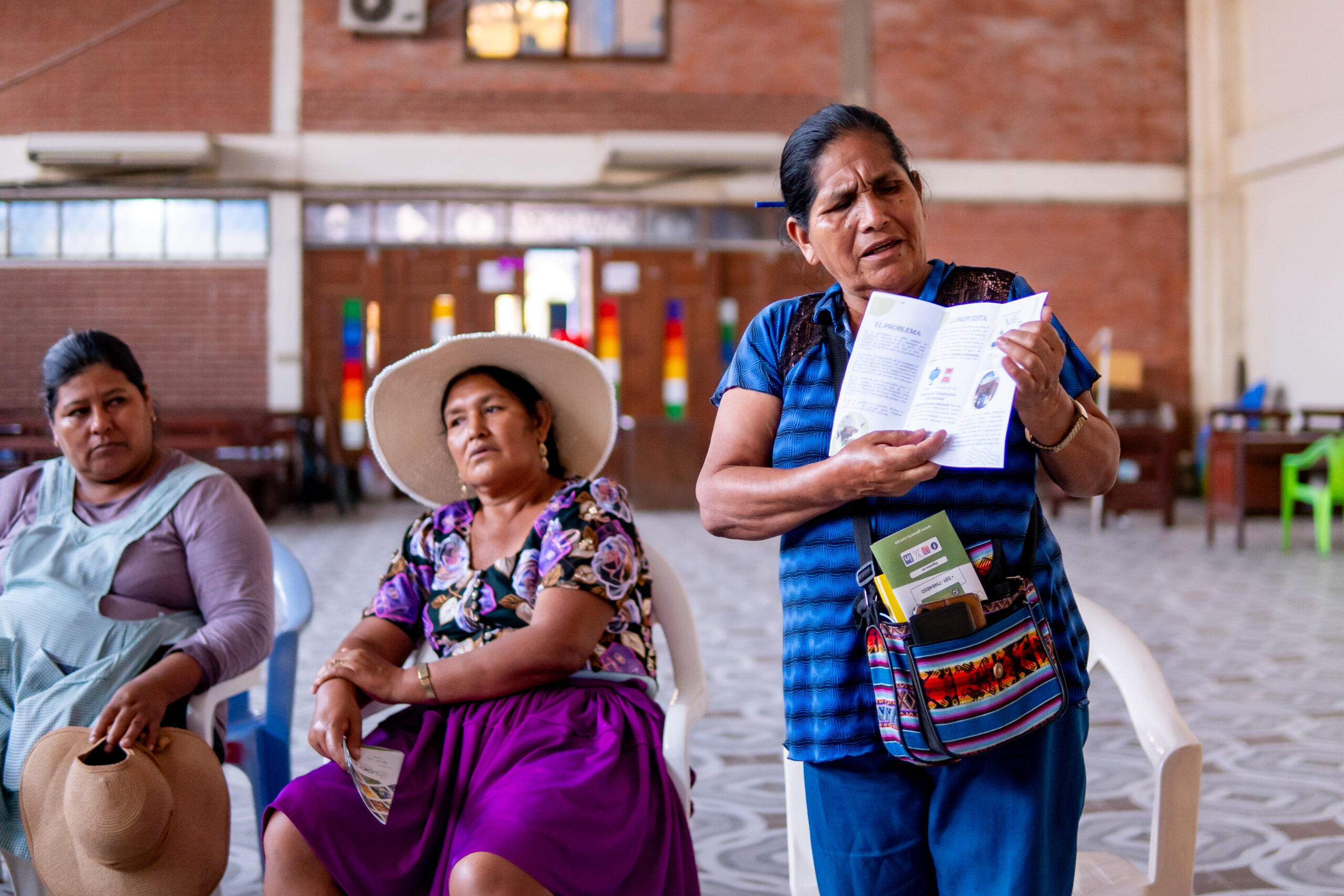
Decentralised renewable energy for rural SMEs in Bolivia: benefits, opportunities and challenges for women
8 July 2026
Bolivia is facing an energy crisis marked by shortages of diesel and petrol, and by high energy costs. For small and medium-sized rural family-based enterprises (SMEs), which play a central role in food production and in sustaining rural livelihoods, this situation increases operating costs, affects productive continuity and limits competitiveness, especially in territories with limited […]