
Decentralised renewable energy for rural SMEs in Bolivia: benefits, opportunities and challenges for women
8 July 2026
Bolivia is facing an energy crisis marked by shortages of diesel and petrol, and by high energy costs. For small and medium-sized rural family-based enterprises (SMEs), which play a central role in food production and in sustaining rural livelihoods, this situation increases operating costs, affects productive continuity and limits competitiveness, especially in territories with limited energy access.
In this context, Decentralised Renewable Energy Systems (DRES) represent an alternative for improving energy security and strengthening productive processes in rural areas. However, their inclusive potential depends on how the benefits associated with their installation and use are distributed, particularly from a gender perspective.
This report analyses five pilot intervention and research cases addressed by the GENERIS project in fish farming and the processing of Amazonian and tropical fruits in Pando, Cochabamba and Santa Cruz. The results show significant energy savings, productive improvements and new opportunities for women’s participation in the everyday use of the systems. At the same time, barriers are identified relating to the organisation of work, access to technical knowledge, decision-making and trust in projects, which shape the extent of these benefits and present challenges for future scaling.
Energy savings and productive improvements
The experience observed in the cases analysed shows clear impacts. In fish farming enterprises, solar energy made it possible to guarantee continuous oxygenation of the ponds, reducing losses and improving growth times. In the processing of Amazonian fruits, the availability of more stable energy made it possible to keep refrigerators running continuously, avoid losses and reduce electricity bills by approximately 30%. The reduced dependence on fossil fuels not only lowered costs, but also brought greater predictability to income.
From the perspective of the women interviewed, these changes reduced the uncertainty associated with potential productive losses and generated greater economic stability. In some cases, the savings were used to cover basic expenses; in others, they were reinvested in productive improvements or in early-stage initiatives to diversify production.
Time freed up, but not always redistributed
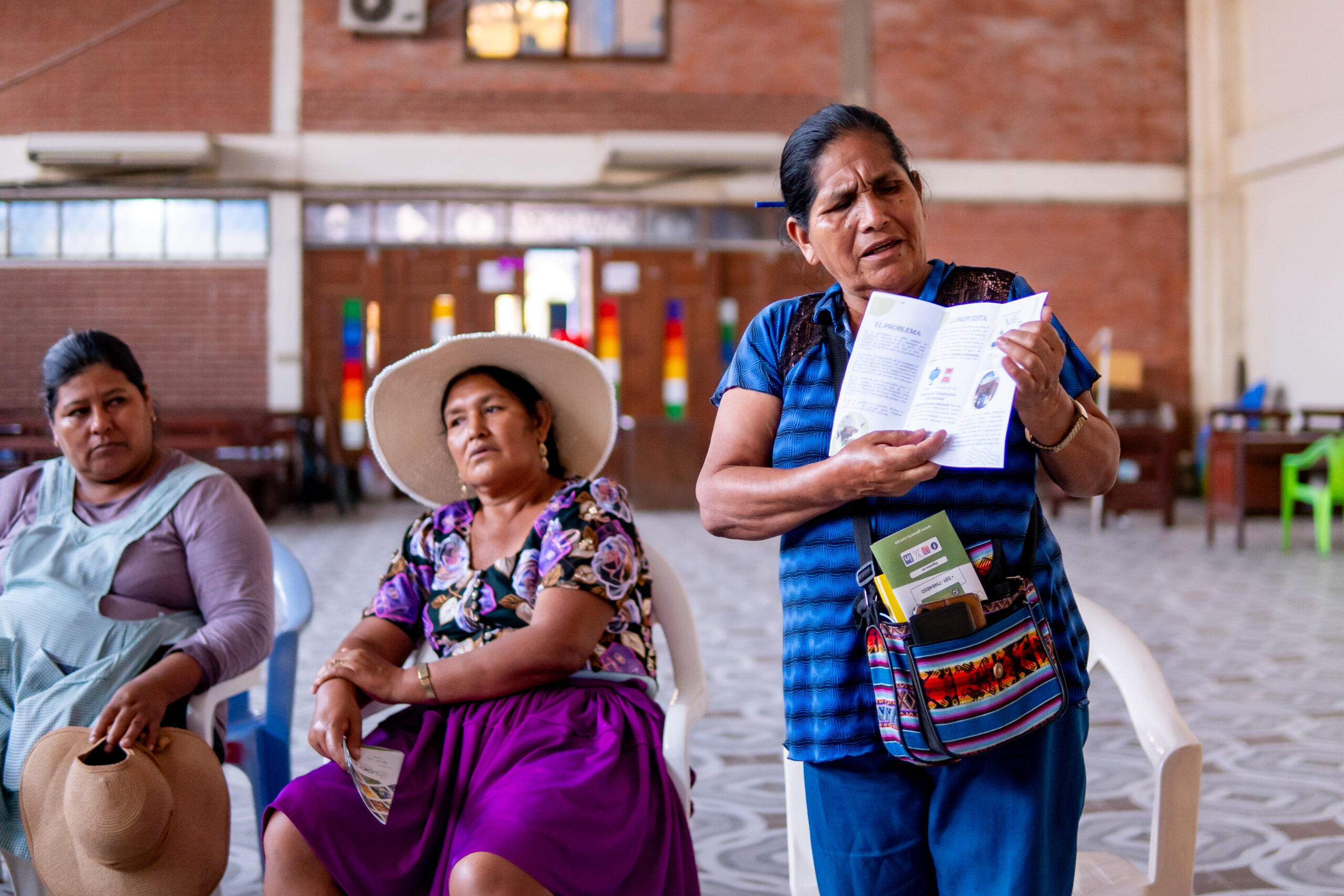
One of the most valued changes was the reduction in the time and effort spent buying petrol. This “freed-up time” eased the daily workload, especially for women, who often took on much of this work. However, the study shows that the time saved did not translate into a redistribution of domestic and care work. In many cases, it was simply absorbed into other domestic or productive tasks.
Improved energy availability also affected household wellbeing: greater access to night-time lighting, constant refrigeration, use of fans and, in some cases, internet connectivity. These changes expanded educational opportunities and helped reduce digital gaps in rural contexts.
More operational participation, but persistent technical gaps
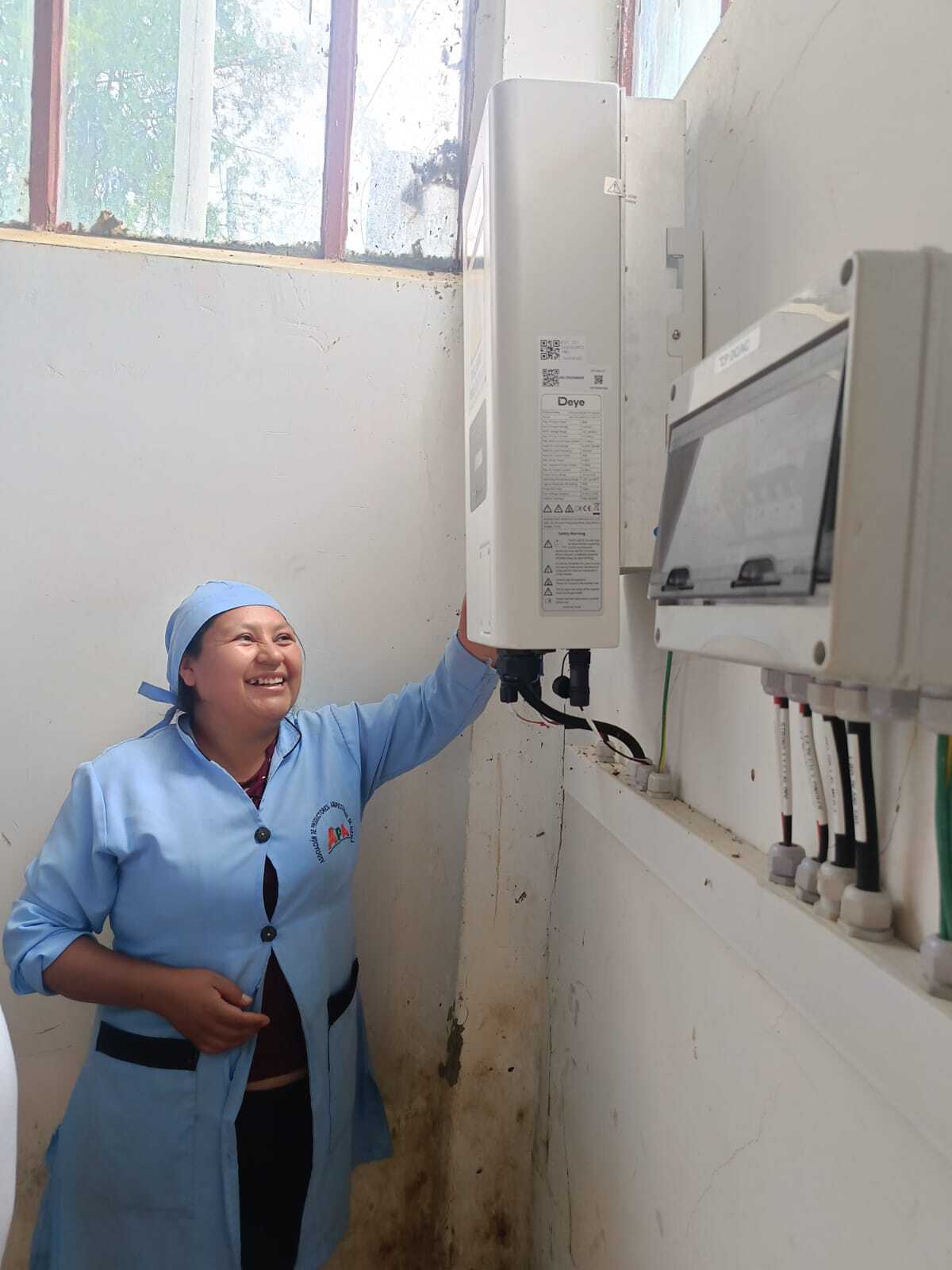
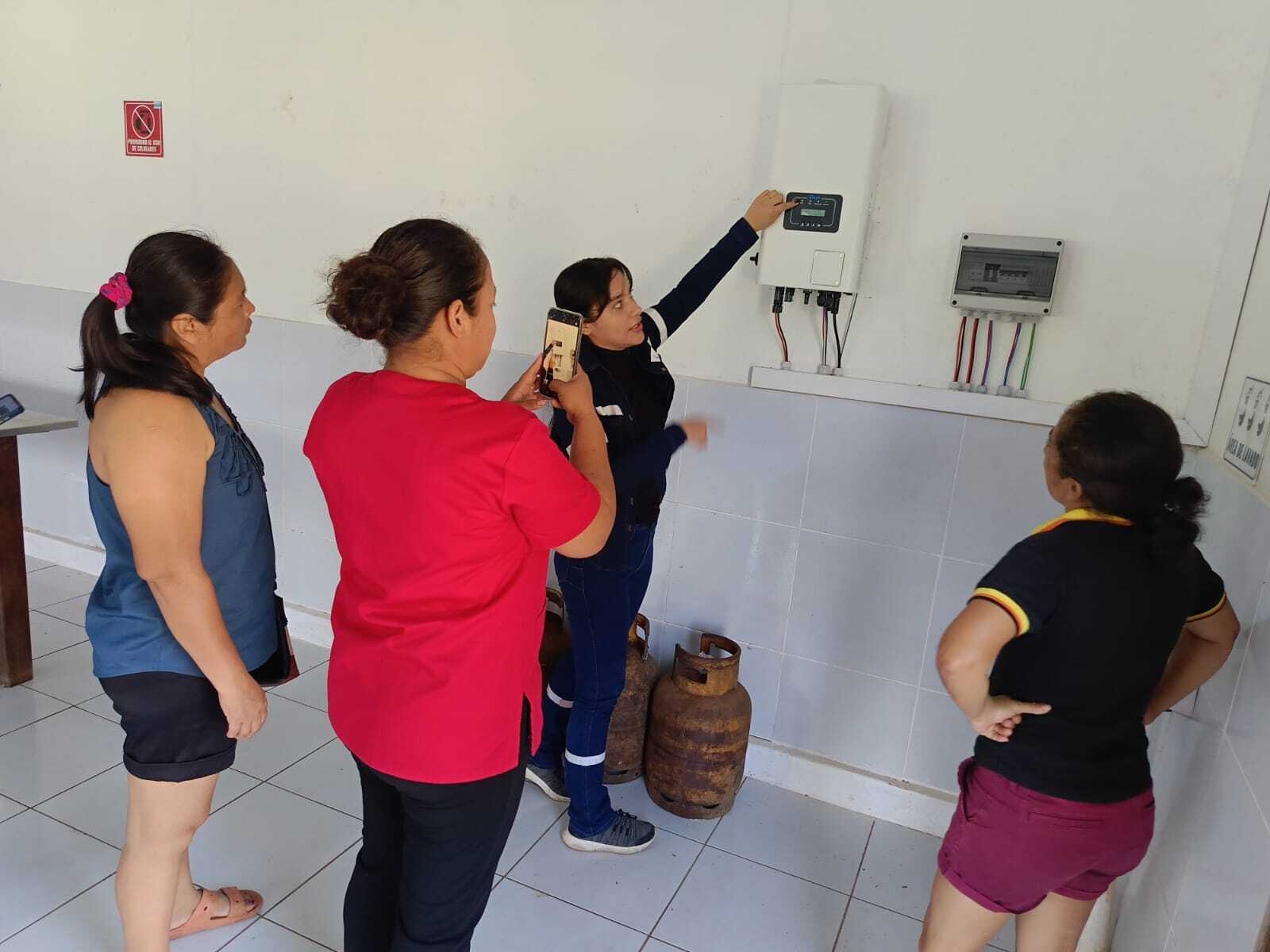
The installation of DRES opened up opportunities for women and young people to participate more actively in everyday tasks such as switching on, monitoring or cleaning the systems. However, gaps remain in access to specialised knowledge.
Training tends to be concentrated among men and is mostly delivered in Spanish, even though some territories have populations who speak Indigenous languages. As observed in some cases, this may have contributed to more limited participation by women in training processes and in their access to technical knowledge.
Therefore, while women’s operational participation increased, strategic decisions about technical adjustments, expansions or contact with installers continued to remain mostly in the hands of men. The gap between everyday use and decision-making control remains a challenge.
Trust and financing: key conditions for scaling
The study identifies two central factors for the sustainability of DRES: building trust and access to financing.
Initial acceptance of the systems was shaped by doubts and previous failed experiences with other projects. In contexts where technical knowledge is limited, trust in institutions and in those implementing projects becomes decisive.
In terms of financing, women face structural barriers. Although financial inclusion has grown in Bolivia, the country continues to have one of the highest gaps in the region: only 11% of women are adequately included in the formal financial system. This limits their ability to access productive credit and invest in energy equipment.
The testimonies collected show concrete differences in credit approval between men and women, even when both carry out similar productive activities. These barriers shape the extent of the benefits of the energy transition.
Renewable energy with a gender focus: a strategic opportunity
Decentralised Renewable Energy Systems have proven to be an effective tool for reducing energy vulnerabilities, improving productive continuity and raising quality of life in Bolivian rural SMEs and households.
However, their transformative potential does not depend solely on their technical performance. To maximise their inclusive impact, it is necessary to explicitly integrate a gender perspective into training, financing mechanisms and technical support strategies.
The rural energy transition is not only a technological process. It is also a social process. And its success will depend on energy solutions advancing hand in hand with transformations in the gender dynamics that structure production and everyday life in the territories.
Learn more about the benefits, opportunities and challenges for women in the case studies in Bolivia by downloading the report.
blog
Associated Project
Decentralised Renewable and Inclusive Energy Systems in Bolivia (GENERIS)
Webinar: Clean Energy Transitions: A care economy lens
Wednesday 16 September 2026
Clean energy transitions: what changes when we put care at the centre? Join us for an engaging webinar exploring how clean energy transitions can do more than expand access to power: they can also reduce drudgery, shift how unpaid care work is recognised and shared, and open up new opportunities for women and young people in […]
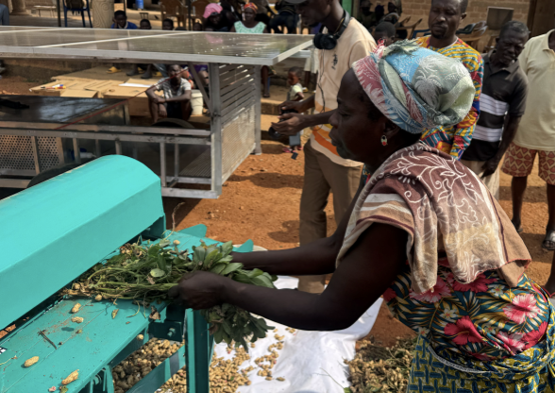
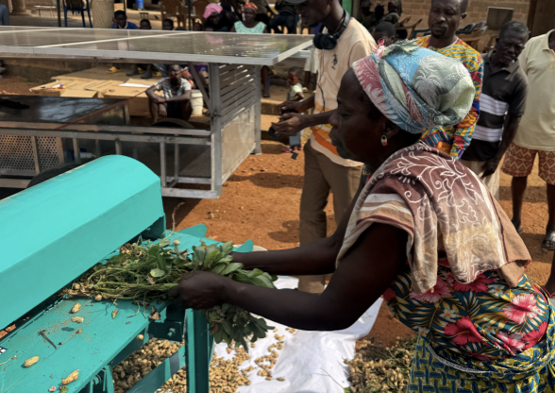
Smallholder farmer testing INFoCAT renewable energy powered groundnut pod plucker in Gomoa (Central Region, Ghana). Photo by UNU INRA.
Clean Energy Transitions: A Care Economy Lens
20 April 2026
How can clean energy transitions reduce energy poverty while also addressing the unequal burden of unpaid care work? This is an increasingly urgent question as the global shift to clean energy reshapes not only energy systems, but everyday life within households. Across many low- and middle-income countries, women and girls continue to shoulder a disproportionate […]
Decentralised renewable energy for rural SMEs in Bolivia: benefits, opportunities and challenges for women
8 July 2026
Bolivia is facing an energy crisis marked by shortages of diesel and petrol, and by high energy costs. For small and medium-sized rural family-based enterprises (SMEs), which play a central role in food production and in sustaining rural livelihoods, this situation increases operating costs, affects productive continuity and limits competitiveness, especially in territories with limited […]