
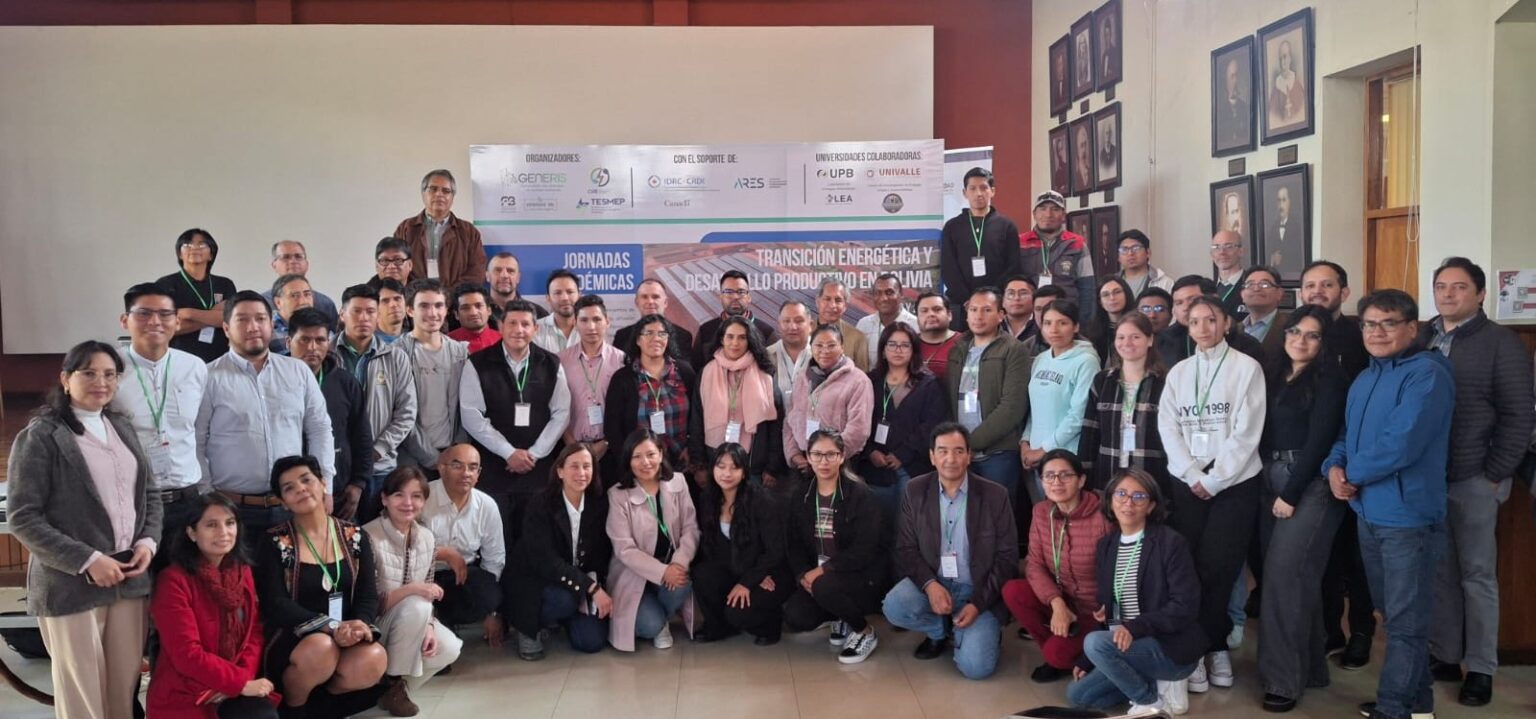
Group photo at the National Academic Conference "Energy Transition for Productive Development in Bolivia" conference
GENERIS Hosts Successful Multisectoral Conference on Energy and Economic Transformation in Bolivia
20 May 2025
The GENERIS Project is one of twelve initiatives selected under the Clean Energy for Development Call to Action (CEDCA) research program, supported by IDRC–Canada. The project is making significant strides toward its central objective: to study and promote the integration of decentralised and inclusive renewable energy systems as a key component of Bolivia’s energy transition. This research focuses on fostering green jobs and supporting micro, small, and medium-sized enterprises (MSMEs) within the Bolivian Government’s Economic and Social Development Plan framework, aligning clean energy solutions with inclusive and sustainable economic growth.
The Academic Conference “Energy Transition and Productive Development in Bolivia” was successfully held on April 23 and 24 at the Universidad Mayor de San Simón (UMSS).
This significant event, organized by the GENERIS Project and the University Center for Energy Research at UMSS, with the valuable support of the Clean Energy for Development Program of IDRC–Canada, and the collaboration of Universidad Privada Boliviana and Universidad del Valle, was established as a strategic space to strengthen alliances and promote green jobs, MSME growth, and gender equality through renewable energy.
The event exceeded expectations by facilitating critical discussions on the role of Decentralized Renewable Energy Systems in Bolivia’s just energy transition. Presentations showcased the economic, social, and environmental impacts of these technologies, with concrete applications in fish farming, Amazonian fruit refrigeration, solar drying of spices, and other productive uses, illustrating a viable path toward sustainable development.
Applications in fish farming, cooling, Amazonian fruit refrigeration, solar drying, and the broader economic, social, and environmental impacts of renewable energy were discussed, all pointing to a just and inclusive energy transition.
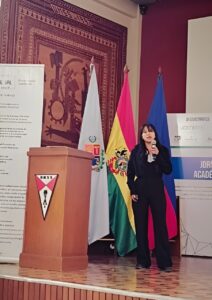
The event featured prominent institutional participation, including national and international authorities such as the Vice Minister of Electricity and Renewable Energies, Eng. MBA Omar Paredes Chacón, and the Vice Minister of Alternative Energies, Dr. Álvaro Arnez Prado, who reaffirmed the Bolivian government’s commitment to a sustainable energy transition.
More than 30 institutions and organizations took part, including IDRC–Canada, IICA, WWF, Ayuda en Acción, Practical Action, Fundación Jubileo, ELFEC, DESJARDINS, BDP, FAUNAGUA, Peces para la Vida, Fundación Bariloche, IMMERSIVE SRL, VMEER, VEMEA, and AETN. Their contributions, along with those of researchers, academics, and MSME representatives, enriched the debate with diverse research, experiences, and proposals. Key topics included:
- Energy transition and rural productive uses
- Impacts on the agribusiness sector
- Financing and scalability of renewable technologies
Expert-led discussion panels addressed:
- Opportunities and barriers for incorporating renewable energy in agro-productive MSMEs
- Energy and technological aspects of productive uses of renewable energy
- The challenges of financing and market access in the energy transition of the productive sector
These discussions helped identify opportunities, obstacles, and strategies to enhance the productive use of renewable energy in Bolivia, generating valuable input for future public policy.

To keep up to date with the project;
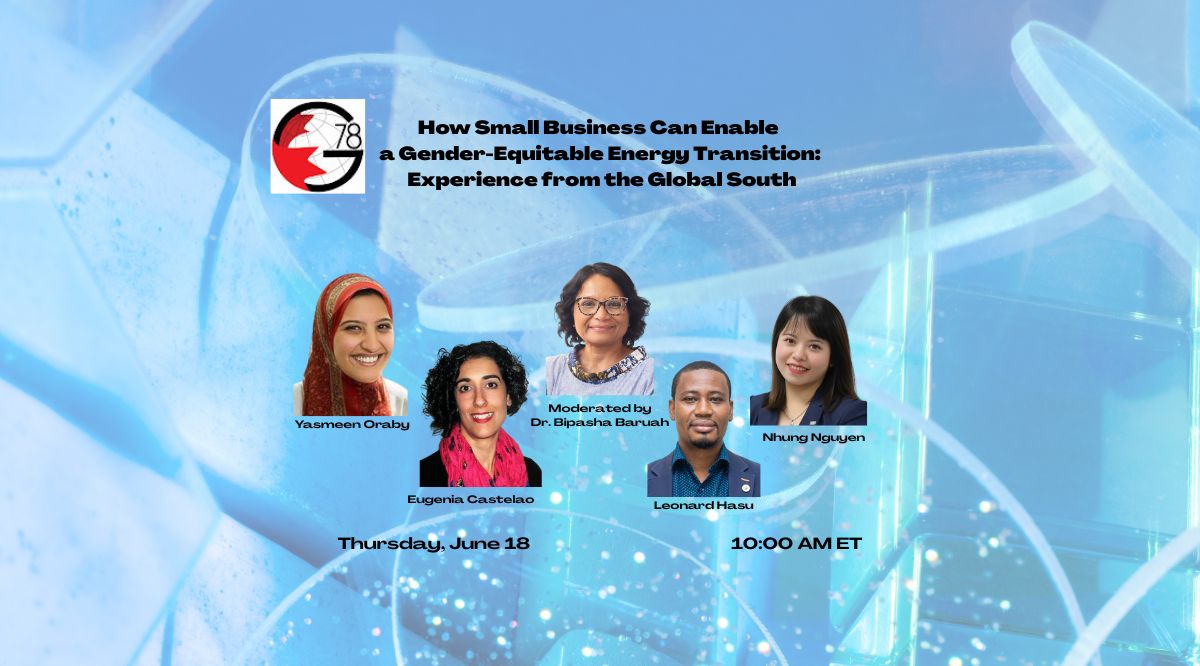
Webinar: How Small Business Can Enable a Gender-Equitable Energy Transition: Experience from the Global South
Thursday 18 June 2026
This webinar is hosted by The Group of 78. How Small Business Can Enable a Gender-Equitable Energy Transition: Experience from the Global South Thursday 18 June 2026 10:00am – 11:30am EDT (check your local time) Register to attend online The Clean Energy for Development: A Call to Action (CEDCA) initiative, funded by the International Development […]
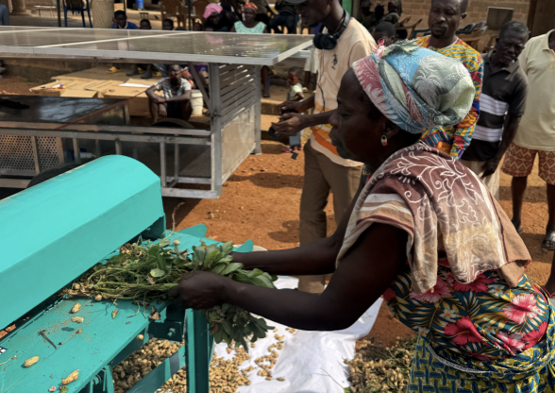
Smallholder farmer testing INFoCAT renewable energy powered groundnut pod plucker in Gomoa (Central Region, Ghana). Photo by UNU INRA.
Clean Energy Transitions: A Care Economy Lens
20 April 2026
How can clean energy transitions reduce energy poverty while also addressing the unequal burden of unpaid care work? This is an increasingly urgent question as the global shift to clean energy reshapes not only energy systems, but everyday life within households. Across many low- and middle-income countries, women and girls continue to shoulder a disproportionate […]
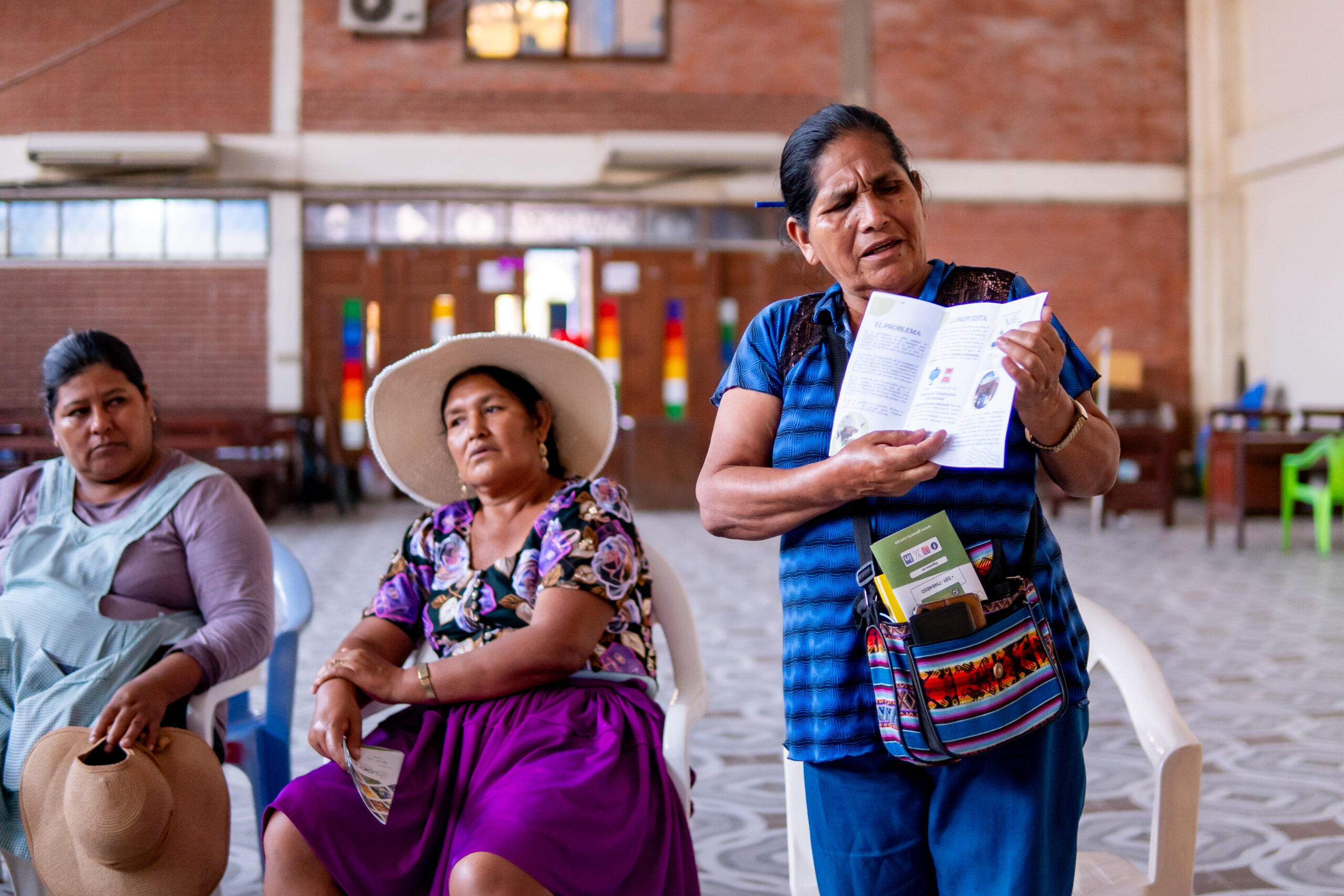
Decentralised renewable energy for rural SMEs in Bolivia: benefits, opportunities and challenges for women
8 July 2026
Bolivia is facing an energy crisis marked by shortages of diesel and petrol, and by high energy costs. For small and medium-sized rural family-based enterprises (SMEs), which play a central role in food production and in sustaining rural livelihoods, this situation increases operating costs, affects productive continuity and limits competitiveness, especially in territories with limited […]