
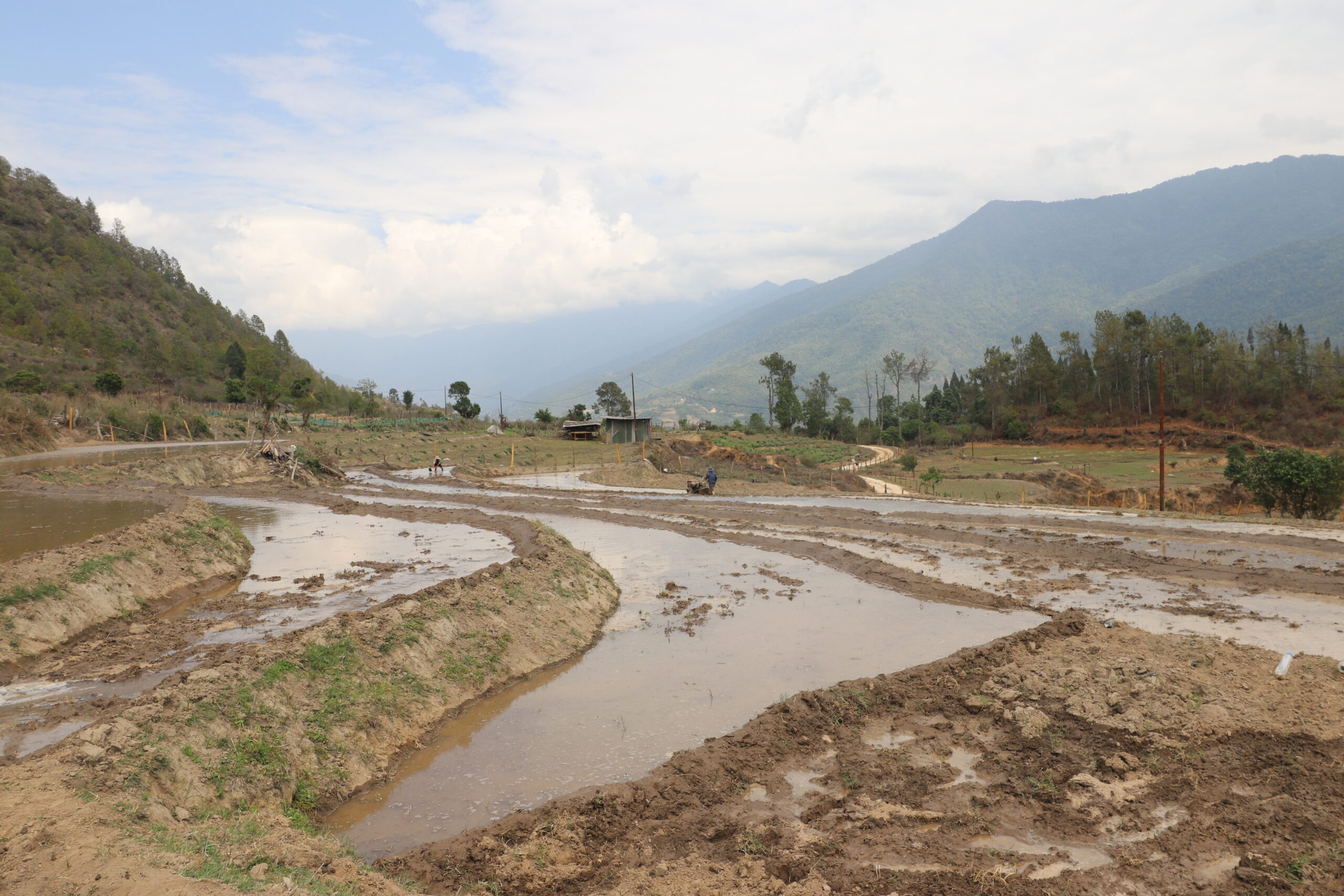
Restoring parched farmlands and livelihoods in Phangyul, Bhutan by Dechen Wangmo/UNDP Bhutan via UNDP Climate Flickr (CC BY-NC 2.0) https://bit.ly/4uZH9YP
Bhutan recognises WERELIS contributions to National Energy Policy 2025
11 March 2026
Bhutan’s Department of Energy has formally recognised the contribution of the Women’s Empowerment through Renewable Energy Powered Decentralized Lift Irrigation Systems in Bhutan (WERELIS Bhutan) project to the country’s newly launched National Energy Policy 2025.
In a letter addressed to the International Centre for Integrated Mountain Development (ICIMOD), the Department of Energy expressed appreciation for the partnership and technical support provided through the WERELIS initiative. The department highlighted how ICIMOD’s work on renewable energy powered lift irrigation systems has helped shape key provisions in the national policy.
The letter notes that insights from WERELIS pilot projects in Chhuzbu Gewog and Punakha, alongside feasibility studies for additional renewable energy powered irrigation sites, have strengthened the department’s technical capacity to plan and implement similar systems in the future. These efforts have also contributed to embedding inclusive and resilient strategies within Bhutan’s energy planning.
A key outcome reflected in the National Energy Policy 2025 is a commitment to promote productive end uses of renewable energy to support livelihoods and community development. This includes applications such as water pumping, electric vehicle charging stations and small community enterprises.
The WERELIS Bhutan project focuses on expanding the use of renewable energy powered lift irrigation systems while supporting women’s entrepreneurship and participation in the energy transition. Agriculture employs around 60 percent of Bhutan’s population, with women making up more than half of the workforce. Improving irrigation access and integrating renewable energy technologies has the potential to strengthen food security, increase productivity and create new opportunities for women in rural communities.
The Department of Energy emphasised that continued collaboration will be important for advancing sustainable energy solutions and strengthening climate resilience across Bhutan.
Find out more about WERELIS Bhutan and their latest outputs here.
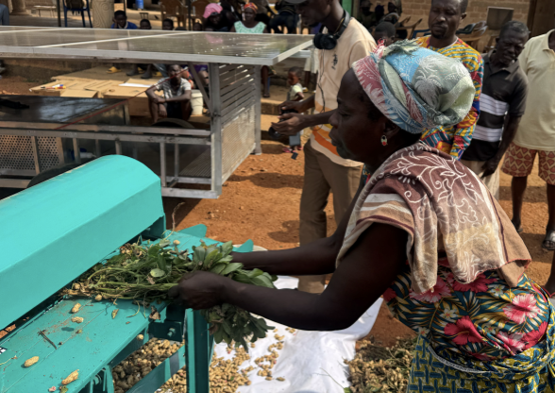
Smallholder farmer testing INFoCAT renewable energy powered groundnut pod plucker in Gomoa (Central Region, Ghana). Photo by UNU INRA.
Webinar: Clean Energy Transitions: A care economy lens
Wednesday 16 September 2026
Clean energy transitions: what changes when we put care at the centre? Join us for an engaging webinar exploring how clean energy transitions can do more than expand access to power: they can also reduce drudgery, shift how unpaid care work is recognised and shared, and open up new opportunities for women and young people in […]
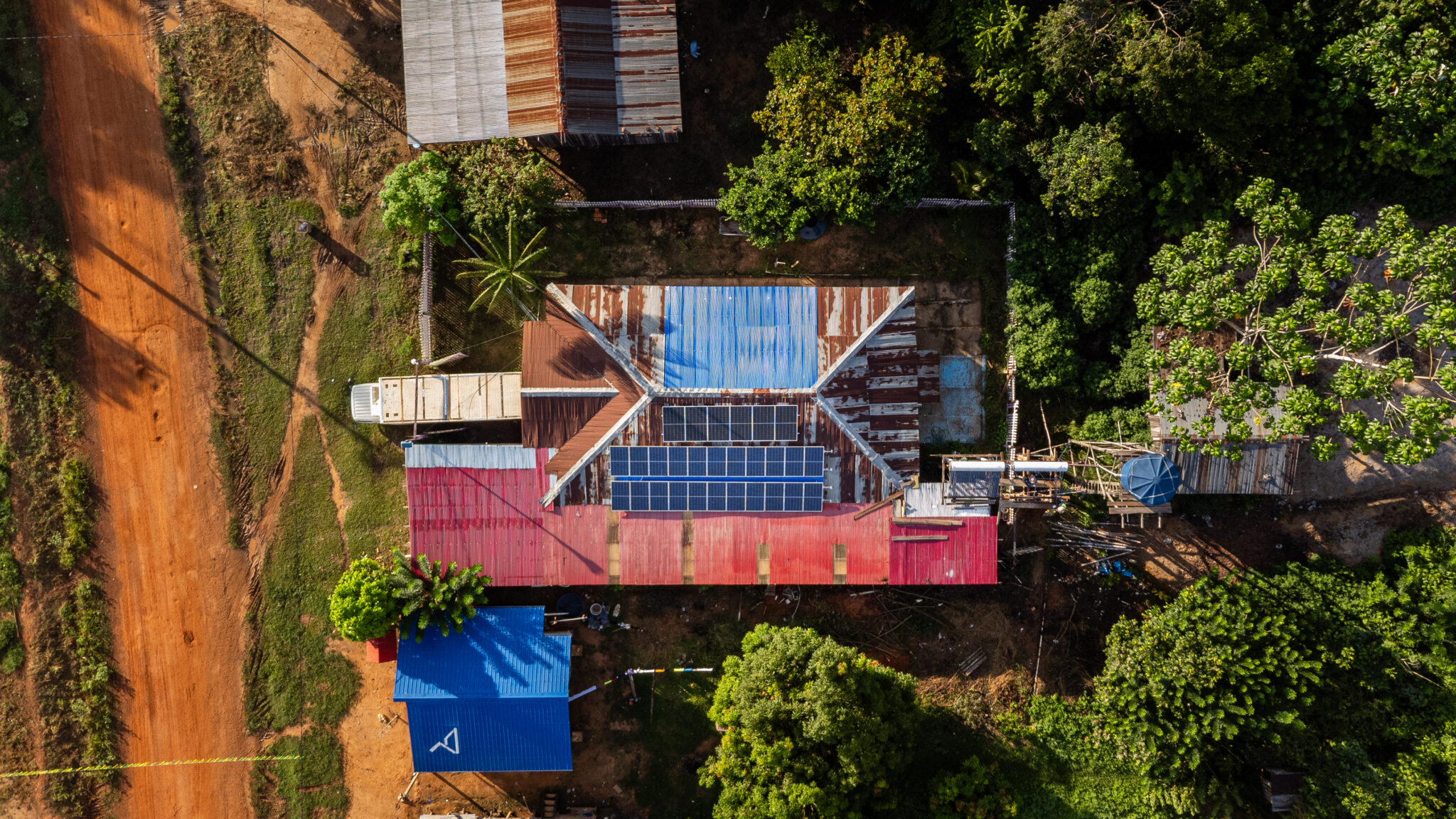
Solar panels, Bolivia
Inclusive and Clean Energy for SMEs in Rural Bolivia
7 October 2026
Bolivia has achieved high rates of electricity access, yet rural and semi-rural producers still face major barriers to securing reliable, affordable energy for productive use. Small- and medium-sized enterprises (SMEs) in the agrifood sector play a central role in ensuring national food security and creating employment. However, they remain highly dependent on fossil-fuel-powered pumps with […]
Smallholder farmer testing INFoCAT renewable energy powered groundnut pod plucker in Gomoa (Central Region, Ghana). Photo by UNU INRA.
Putting care at the centre of clean energy transitions
14 October 2026
Clean energy transitions are often discussed in terms of technology, finance and climate targets. But what changes when we put care at the centre? Across many low- and middle-income countries, women and girls carry a disproportionate share of unpaid care and domestic work. Cooking, collecting fuel and water, caring for others, processing food, and sustaining […]