
New from GENERIS: research and insights on decentralised renewable energy in Bolivia
30 April 2026
The GENERIS project, partners of Clean Energy for Development: A Call to Action (CEDCA), explores how decentralised renewable energy can support micro, small and medium enterprises (MSMEs), local livelihoods and inclusive energy transitions in Bolivia.
Recent outputs from the project highlight the role of renewable energy in productive use, gender inclusion and sustainable development, drawing on research conducted across rural and peri-urban contexts.
Recent outputs
Blog: Decentralized renewable energy for rural SMEs in Bolivia: benefits, opportunities and challenges for women
This blog explores how decentralised renewable energy systems, particularly solar, are being used by rural businesses to reduce costs, improve reliability and support income generation. It also highlights ongoing challenges, including gender gaps in access to finance, technical knowledge and decision-making.
Special Issue: Journal Boliviano de Ciencias
This peer-reviewed Special Issue brings together research developed by GENERIS partners, based on data collected throughout the project. The articles examine decentralised renewable energy, productive development, gender and environmental sustainability in Bolivia.
Featured articles include:
- Energy for productive uses: what do we know? And what does this look like for MSMEs in Bolivia?
- Green or just? Implications of this dilemma in energy transitions based on case studies in Bolivia
- Women’s participation in productive value chains in Bolivia: a gender and intersectional perspective
- Spatial analysis of electrification potential for fish farming in tropical areas of Bolivia
- Estimating the carbon footprint of fish farming: a case study in Cochabamba
Together, these outputs demonstrate the importance of locally grounded research in shaping more inclusive and sustainable energy transitions.
blog
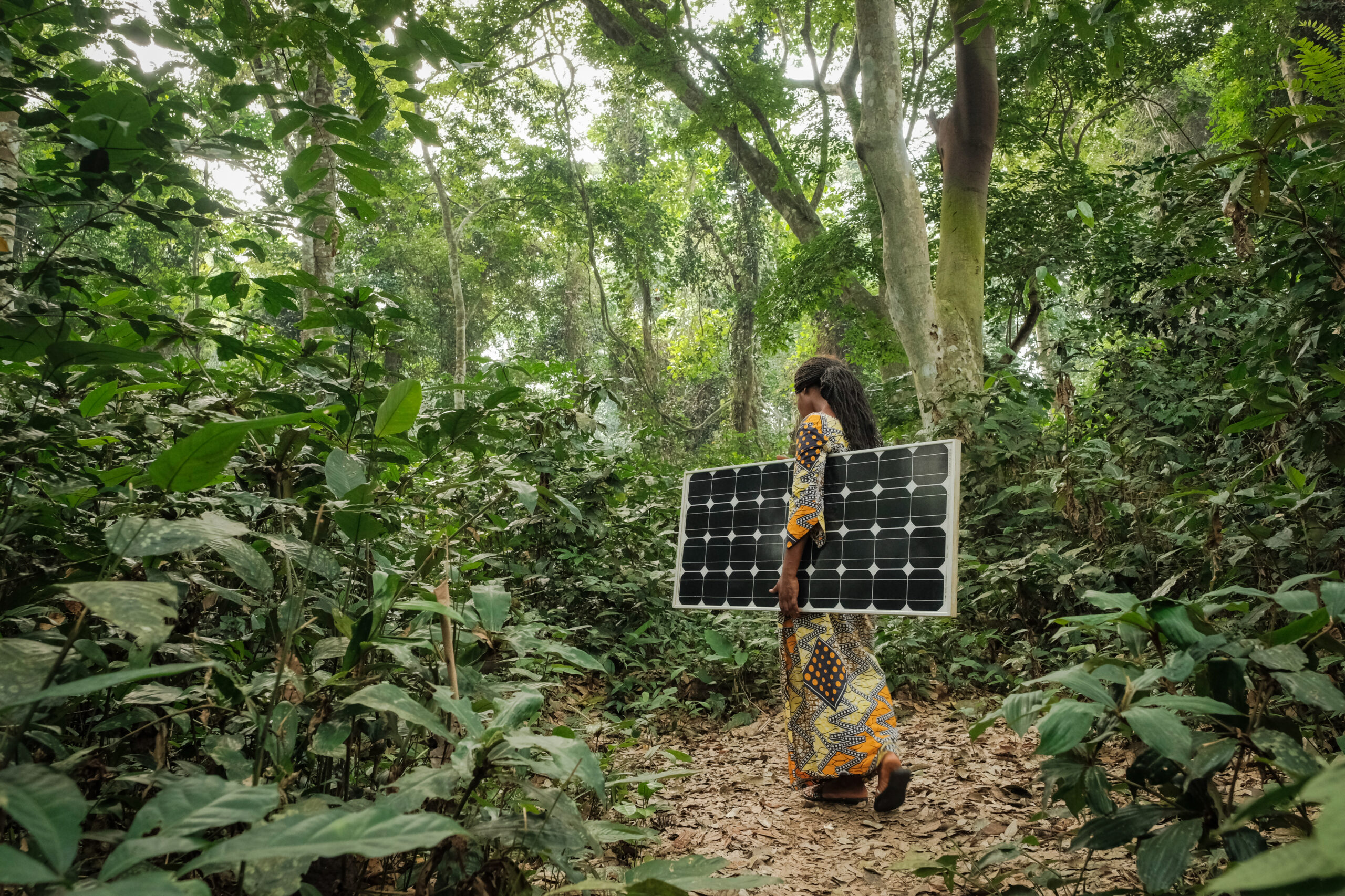
Woman carrying a solar pannel near Yangambi, DRC. Photo by Axel Fassio/CIFOR via Flickr under licence CC BY-NC-ND 2.0. https://flic.kr/p/27NYoQe
Gender-Responsive Renewable Energy for Empowerment and Inclusive Energy Transitions
Tuesday 10 November 2026
This side event, hosted by the International Centre for Integrated Mountain Development (ICIMOD) as part of COP31, will explore how gender-responsive renewable energy can strengthen women’s livelihoods, agency and economic opportunities, drawing on field experiences from regional and global evidence, policy and financing perspectives. This event is in-person only, and open to anyone attending the […]
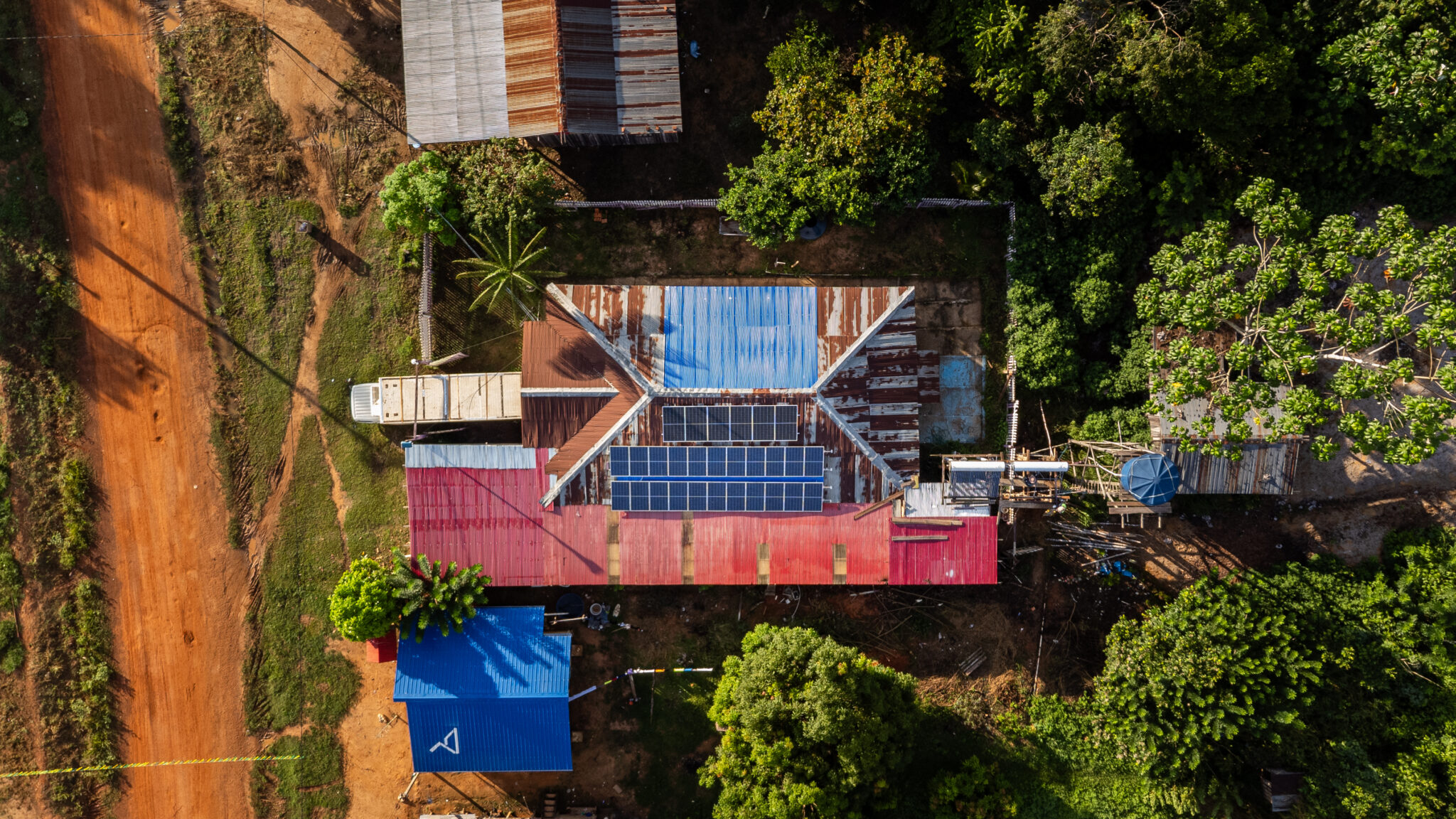
Solar panels, Bolivia
Inclusive and Clean Energy for SMEs in Rural Bolivia
7 October 2026
Bolivia has achieved high rates of electricity access, yet rural and semi-rural producers still face major barriers to securing reliable, affordable energy for productive use. Small- and medium-sized enterprises (SMEs) in the agrifood sector play a central role in ensuring national food security and creating employment. However, they remain highly dependent on fossil-fuel-powered pumps with […]
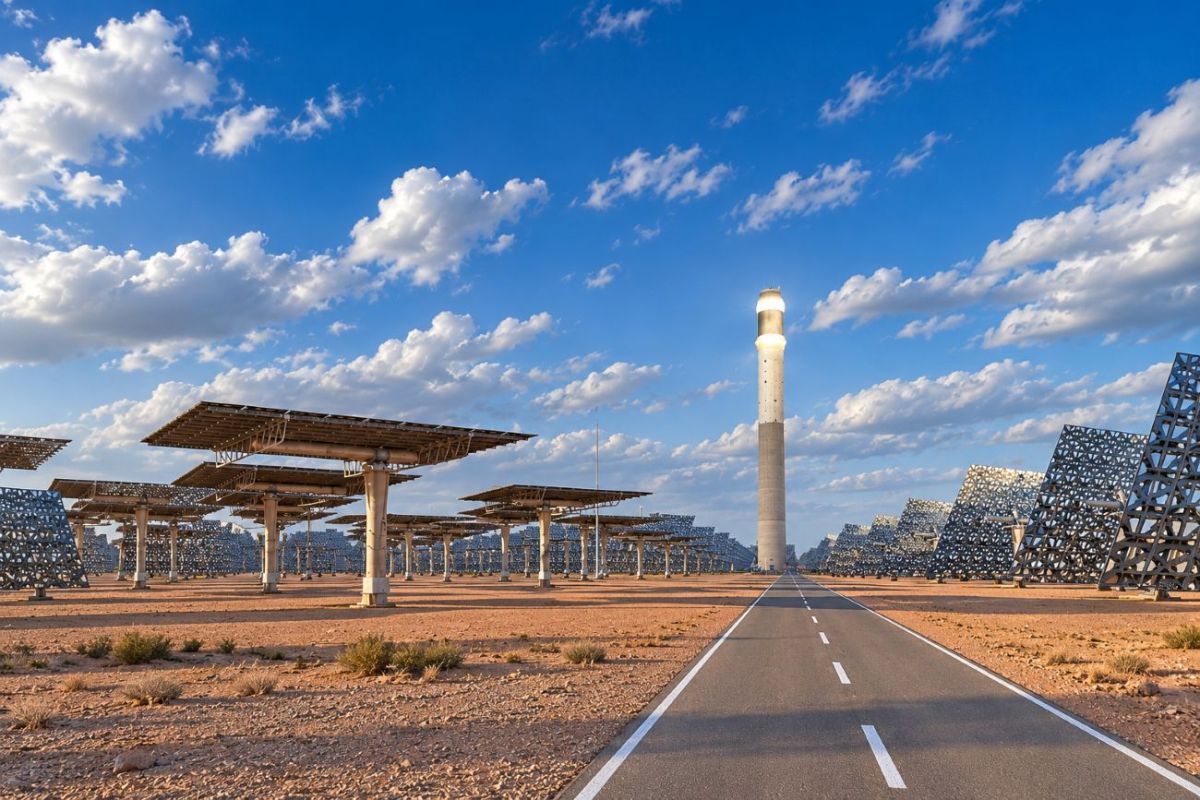
Concentrated Solar Pannels Farm, Noor III in Ouarzazate, Morocco, by Khalid Ghozlani, IDRC
Beyond electricity access: Making Mission 300 sustainable through productive use
3 November 2026
Over 560 million people in sub-Saharan Africa still live without electricity. To address this challenge, the World Bank, the African Development Bank and other partners recently launched Mission 300, an ambitious USD$54 billion (~CAD75 billion) initiative to connect 300 million people in sub-Sahara Africa to electricity by 2030. But for Mission 300 to succeed, a […]