

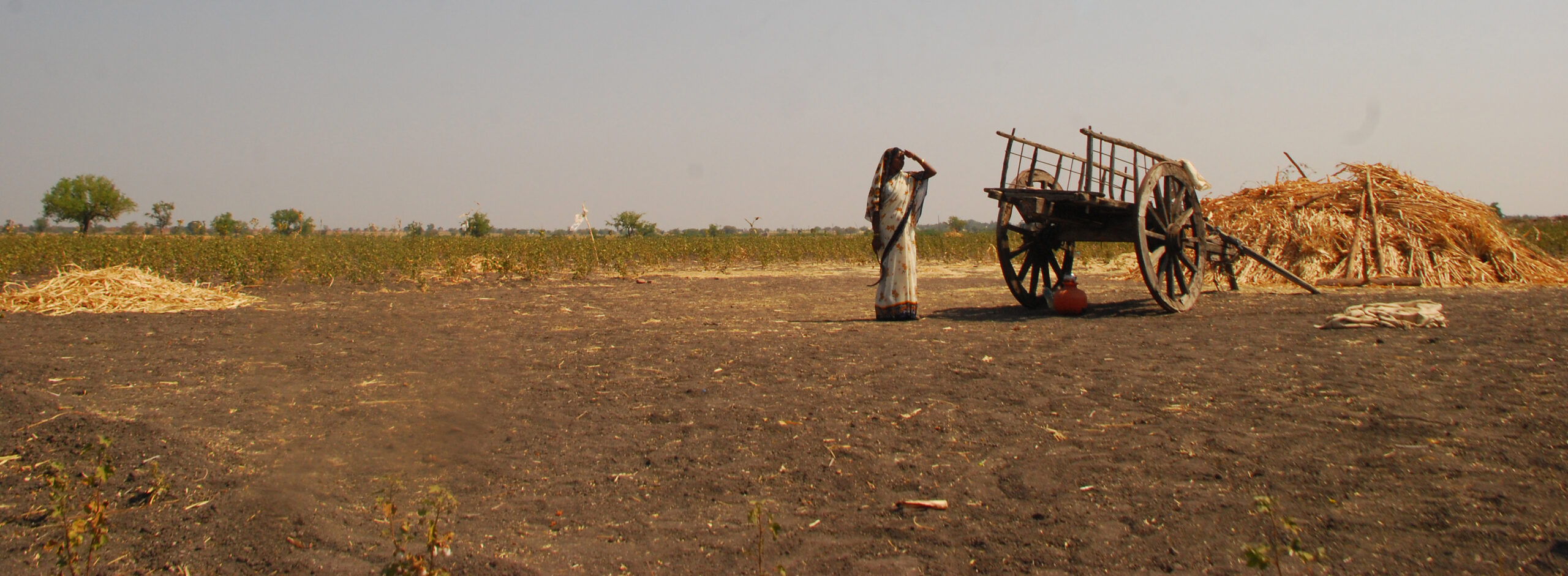
IMPACT OF CLIMATE CHANGE Suvarna Amrutappa Alkatti by UN Women Asia and the Pacific via Flickr. CC BY-NC-ND 2.0 https://flic.kr/p/eZjQgk
Powering an Inclusive Energy Future: Driving the G20 from Commitment to Implementation
10 October 2025
Summary
As the world accelerates toward a clean energy future, the question is no longer whether the transition will happen, but how equitable, inclusive, and sustainable it will be. Under Brazil’s 2024 presidency, the G20 endorsed a set of ‘Principles for Just and Inclusive Energy Transitions’, recognising that the shift to renewable energy must do more than reduce carbon emissions; it must also address deep-rooted inequalities and ensure that historically marginalised groups, particularly women and youth, are active participants and beneficiaries.
Yet turning principles into practice remains a critical challenge. Many G20 countries face a common set of barriers: unequal access to clean energy opportunities, persistent gender and generational divides in employment, and financing systems that exclude micro-, small- and medium-sized enterprises (MSMEs) led by women and youth. Addressing these gaps requires not only national action but also collective leadership.
Cite this publication
Meeker, J. in collaboration with Kingiri, A.; Diop Niang, M. and Oraby, Y. (2025) 'Powering an Inclusive Energy Future: Driving the G20 from Commitment to Implementation', CEDCA Clean Energy Brief, Brighton: Institute of Development Studies, DOI: 10.19088/CEDCA.2025.002
Copylearning
Theme
Clean Energy, Gender, Inclusion
Documents
Webinar: Clean Energy Transitions: A care economy lens
Wednesday 16 September 2026
Clean energy transitions: what changes when we put care at the centre? Join us for an engaging webinar exploring how clean energy transitions can do more than expand access to power: they can also reduce drudgery, shift how unpaid care work is recognised and shared, and open up new opportunities for women and young people in […]
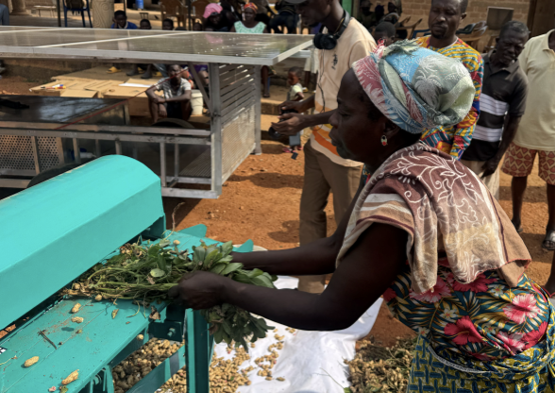
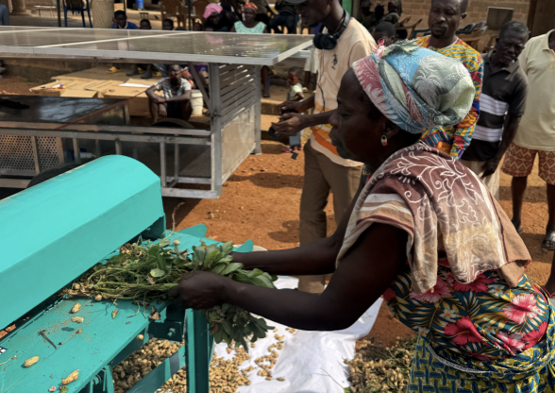
Smallholder farmer testing INFoCAT renewable energy powered groundnut pod plucker in Gomoa (Central Region, Ghana). Photo by UNU INRA.
Clean Energy Transitions: A Care Economy Lens
20 April 2026
How can clean energy transitions reduce energy poverty while also addressing the unequal burden of unpaid care work? This is an increasingly urgent question as the global shift to clean energy reshapes not only energy systems, but everyday life within households. Across many low- and middle-income countries, women and girls continue to shoulder a disproportionate […]
Decentralised renewable energy for rural SMEs in Bolivia: benefits, opportunities and challenges for women
8 July 2026
Bolivia is facing an energy crisis marked by shortages of diesel and petrol, and by high energy costs. For small and medium-sized rural family-based enterprises (SMEs), which play a central role in food production and in sustaining rural livelihoods, this situation increases operating costs, affects productive continuity and limits competitiveness, especially in territories with limited […]