

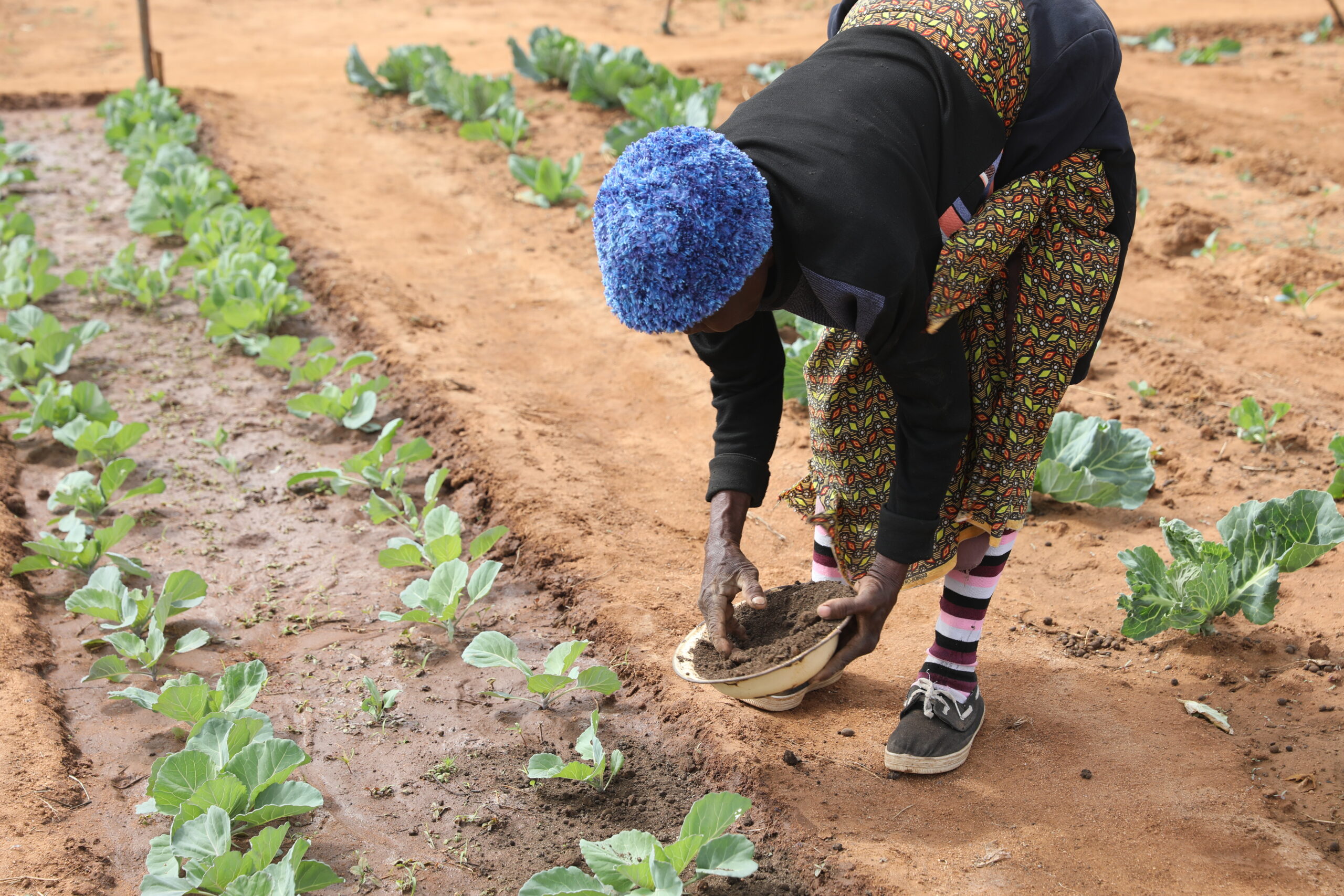
A smallholder farmer applying organic mature to her vegetably plants by UNDP Climate via Flickr. CC BY-NC 2.0 https://flic.kr/p/2pAHaCa
AFREC / IDRC Joint webinar on Energy and Gender Data in Africa
The African Energy Commission (AFREC) in partnership with the International Development Research Centre (IDRC) is hosting a webinar “Energy and Gender Data in Africa” featuring international experts, African policymakers, and relevant stakeholders.
REGISTRATION
Date: January 30, 2025,
Time: From 13:00 p.m. to 15:30 p.m. GMT
Registration link: https://zoom.us/webinar/register/WN_It5c_NKuSXmOEXRMjkCe7Q
Objectives
The objectives of this webinar are:
- Take stock at the mainstreaming of gender and inclusion considerations into national energy strategies in selected African countries and as well as in business strategies.
- Identify data and knowledge gaps on energy and gender in Africa.
- Reflect on the potential consequences of gender and inclusion data dearth for an inclusive and transformative energy transition in Africa.
- Make actionable recommendations to relevant stakeholders for course correction, including national and regional policy bodies, development partners, CSO and the private sector.
Expected results
The expected results include:
- A socialisation of good practices for mainstreaming gender and inclusion considerations into national energy information systems and business strategies.
- A common understanding of the knowledge and data gaps to foster an inclusive and transformative energy transition in Africa.
- A list of priority action points for key stakeholders to the African energy sector.
PARTICIPANTS
Participants to the webinar will include key stakeholder from the African energy ecosystem. That is, national and regional policymakers, development partners, the private sector, academia/researchers, civil society organizations, youth, etc.
PANELISTS
Panellists (tentative) include:
Representative of Ministry of Energy, Mining, and Environment of Morocco.
Representative of Department of Mineral Resources and Energy of South Africa.
Representative of Energy Commission of Ghana
Representative of Ministry of Energy and Petroleum of Kenya
Prof Bipasha Baruah (she/her), Canada Research Chair in Global Women’s Issues & Member of College of the Royal Society of Canada – The University of Western Ontario
Mr Nougbodohoue Samson Bel-Aube, Head – Energy Information System & Statistics Division African Energy Commission (AFREC)
Karnika Yadav (she/her), Partner & Africa Director – Intellecap Advisory Services
Moderator: Flaubert Mbiekop, Snr Program Specialist – International Development Research Centre (IDRC)
For more information, please contact:
Executive Director | African Energy Commission (AFREC) | African Union |
email: [email protected] | Tel: +213 23 45 9198 | http://www.au-afrec.org|Algiers | Algeria | Follow Us: Facebook | Twitter|Instagram|LinkedIn@African Energy Commission
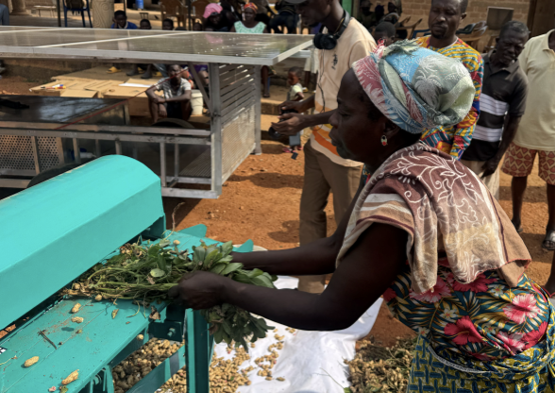
Smallholder farmer testing INFoCAT renewable energy powered groundnut pod plucker in Gomoa (Central Region, Ghana). Photo by UNU INRA.
Webinar: Clean Energy Transitions: A care economy lens
Wednesday 16 September 2026
Clean energy transitions: what changes when we put care at the centre? Join us for an engaging webinar exploring how clean energy transitions can do more than expand access to power: they can also reduce drudgery, shift how unpaid care work is recognised and shared, and open up new opportunities for women and young people in […]
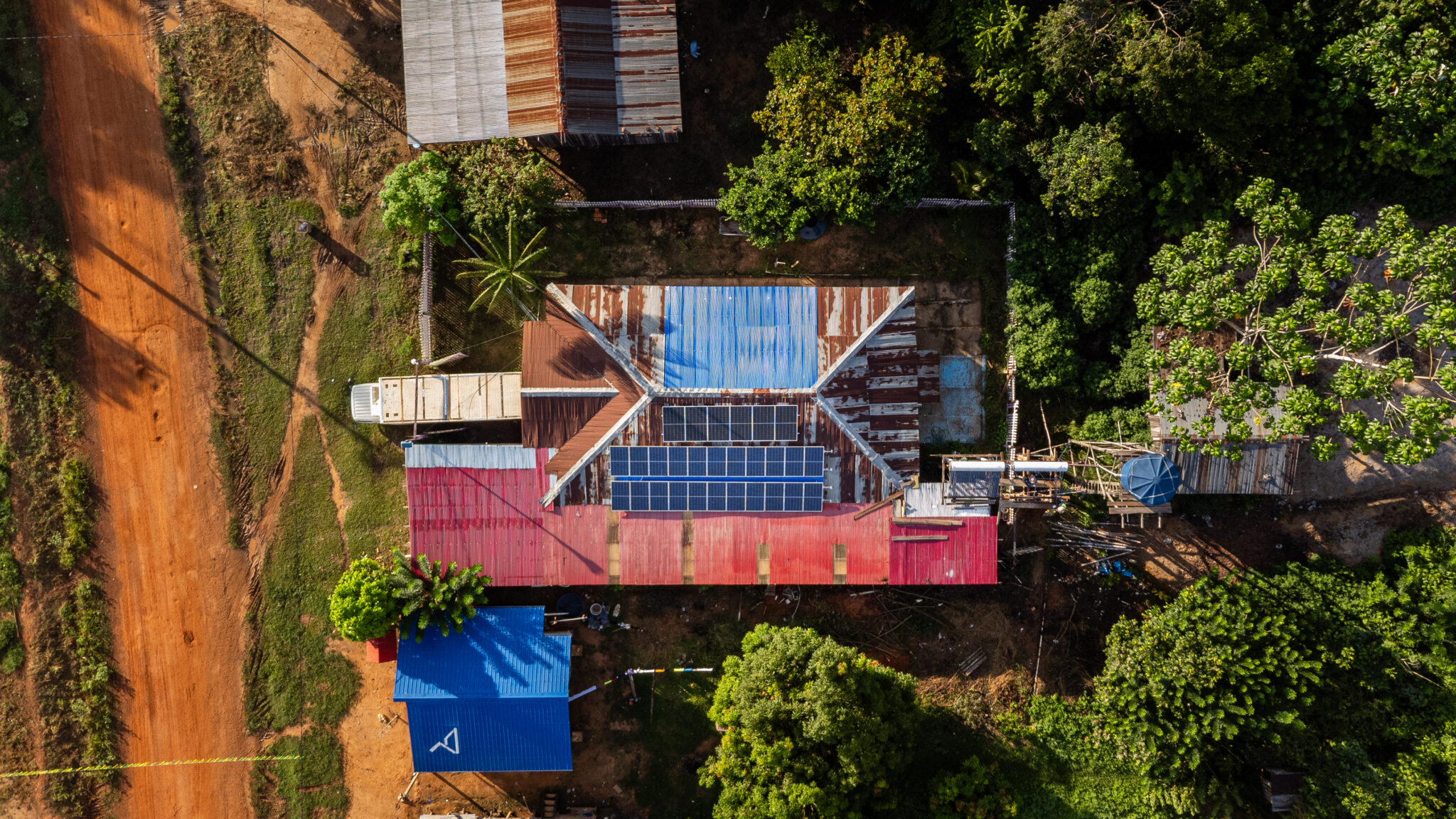
Solar panels, Bolivia
Inclusive and Clean Energy for SMEs in Rural Bolivia
7 October 2026
Bolivia has achieved high rates of electricity access, yet rural and semi-rural producers still face major barriers to securing reliable, affordable energy for productive use. Small- and medium-sized enterprises (SMEs) in the agrifood sector play a central role in ensuring national food security and creating employment. However, they remain highly dependent on fossil-fuel-powered pumps with […]
Smallholder farmer testing INFoCAT renewable energy powered groundnut pod plucker in Gomoa (Central Region, Ghana). Photo by UNU INRA.
Putting care at the centre of clean energy transitions
14 October 2026
Clean energy transitions are often discussed in terms of technology, finance and climate targets. But what changes when we put care at the centre? Across many low- and middle-income countries, women and girls carry a disproportionate share of unpaid care and domestic work. Cooking, collecting fuel and water, caring for others, processing food, and sustaining […]