
This blog post summarizes key discussions from the UNCSW69 panel event “Powering Change: Women, Youth, and the Clean Energy Revolution” held on March 13, 2025.
On March 13th at the UN Commission on the Status of Women (CSW69) we hosted an event titled “Powering Change: Women, Youth, and the Clean Energy Revolution.” The event brought together experts from various regions to address a critical challenge of our time: ensuring that women and youth are not left behind in the global transition to clean energy.
The clean energy transition represents one of the most significant economic and environmental shifts of our generation. However, we currently face a paradoxical situation of “jobs without people, people without jobs”. While employment and entrepreneurship opportunities in the clean energy sector are growing rapidly everywhere in the world, so are skill and talent shortages, mostly because working in the clean energy sector requires specific skills, training, and access to finance. Since women and youth are more likely to struggle in accessing these requirements, they are often unable to secure work in clean energy even in contexts such as Sub-Saharan Africa (SSA) and Middle East and North Africa (MENA) where they experience very high levels of unemployment. Despite the burgeoning opportunities in renewable energy sectors, women and youth—particularly in developing regions—continue to face disproportionate barriers to participation.
The numbers tell a compelling story. For instance, in some rural areas of Senegal, 43% of homes still lack access to electricity. Meanwhile, female labour force participation in the MENA region remains the lowest worldwide, despite the region’s abundant renewable energy resources. This disconnect represents not just a social inequity, but a missed economic opportunity on a massive scale.
The panel wove together perspectives from diverse geographic contexts, creating a rich tapestry of insights that transcended regional boundaries while acknowledging unique local challenges.
Evidence from Kenya paints a compelling picture of the transformative potential in Sub-Saharan Africa, where the shift from fossil fuels to clean energy delivers not just environmental benefits but opens economic doorways. Renewable energy creates cascading opportunities through entrepreneurship and jobs across entire deployment value chains, emphasizing that successful transition requires holistic capacity building at all levels, from individual skills development to supportive policies and institutions.
The MENA region poses a fascinating paradox: a region historically dependent on fossil fuels now increasingly vulnerable to climate change impacts yet simultaneously blessed with abundant renewable resources. Despite this potential, women’s participation remains strikingly low. Cultural expectations around care work, limited access to STEM education, and financial barriers create interlocking challenges that must be addressed systemically rather than piecemeal.
Senegal has an ambitious plan to increase renewable energy share to 40% by 2030, but women in rural communities face daily challenges as they navigate the impossible choice between unpaid care work and income-generating activities. Senegal’s three-pronged approach—addressing customer demand, supplier capacity, and microfinance institutions—offers a practical framework for comprehensive intervention.
What emerged across all three perspectives was the critical importance of context-specific approaches that recognize the diversity of women’s and youth’s experiences while addressing common structural barriers.
The panel identified several key barriers that disproportionately affect women and youth in the clean energy sector:
The panel offered several promising approaches to increase women and youth participation in the clean energy transition:
All panellists emphasized the critical importance of tailored training programs such as holistic skills development that addresses both technical capabilities and business acumen; gender-sensitive STEM education and mentorship programs and financial literacy and entrepreneurial management training. Michele described an innovative capacity-building program in Senegal co-developed specifically for women and youth entrepreneurs. The program includes financial literacy education, entrepreneurial management training, and technical knowledge of renewable energy technologies.
Effective policies and institutional frameworks are essential enablers and should include removal of regulatory, financial, and bureaucratic barriers; implementation of gender-sensitive policies that recognize and address women’s unique challenges; participatory approaches that involve all ecosystem actors in conversations and decision-making and evidence-based policy development that avoids generalization and addresses specific needs.
Innovative financing models are crucial to overcome traditional barriers. Programs to increase women’s and youth’s access to financing solutions are needed. It is essential to map existing financial mechanisms and identifying gaps and create partnerships with microfinance institutions to provide products and services tailored for renewable energies.
The Q&A sessions revealed that these issues resonate globally, with participants from countries as diverse as Nigeria, India, and Jordan sharing similar experiences.
One particularly thought-provoking question addressed the trade-offs of increasing women in the workforce, particularly concerning care responsibilities. This highlighted the need for holistic approaches that consider the full spectrum of women’s roles and responsibilities.
Other questions focused on practical concerns:
The panel concluded with forward-looking recommendations:
The clean energy revolution presents an unprecedented opportunity to address multiple global challenges simultaneously: climate change, energy access, gender equality, and youth unemployment. By placing women and youth at the centre of renewable energy strategies, we can create more inclusive, sustainable, and prosperous societies.
As Michele eloquently stated in her closing remarks, “by focusing on the demand side, supply side, and microfinance institutions, we can create a more inclusive energy ecosystem with capacity-building programs empowering women and youth to actively participate in the energy transition.”
The path forward requires commitment, innovation, and collaboration across sectors and borders. But as this panel demonstrated, the vision of an inclusive clean energy future is not only necessary—it’s achievable. By supporting women and youth with the right resources, skills, and policies, we can power change that benefits everyone.
The Clean Energy for Development: A Call to Action (CEDCA) – initiative is dedicated to generating evidence that informs policy reforms and innovations supporting a transformative clean energy transition. A key focus is enabling women and youth to lead in greening energy through micro, small, and medium-sized enterprises (MSMEs). Across low- and middle-income countries, MSMEs are not only major sources of jobs and income but also a critical pathway to gender-inclusive economic development. However, a lack of access to clean energy remains one of the greatest barriers to their success.
This article, written by CEDCA advisor and IDS research fellow Seife Ayele, presents two contrasting case studies that illustrate how electricity access—or the lack of it—can shape the role of MSMEs in a just energy transition. These examples highlight real-world challenges and opportunities in the shift towards inclusive and sustainable energy solutions.
Several cross-country studies show that micro, small and medium enterprises (MSMEs) are greater sources of jobs and income in low-and middle-income countries than in high income countries, and the micro ones in particular are more likely to be led by women. However, lack of access to clean energy is one of the greatest barriers to these businesses.
In this piece I narrate two contrasting cases where access to electricity hampers or fosters the fight against poverty and climate change and reflect on how the challenges may be addressed.
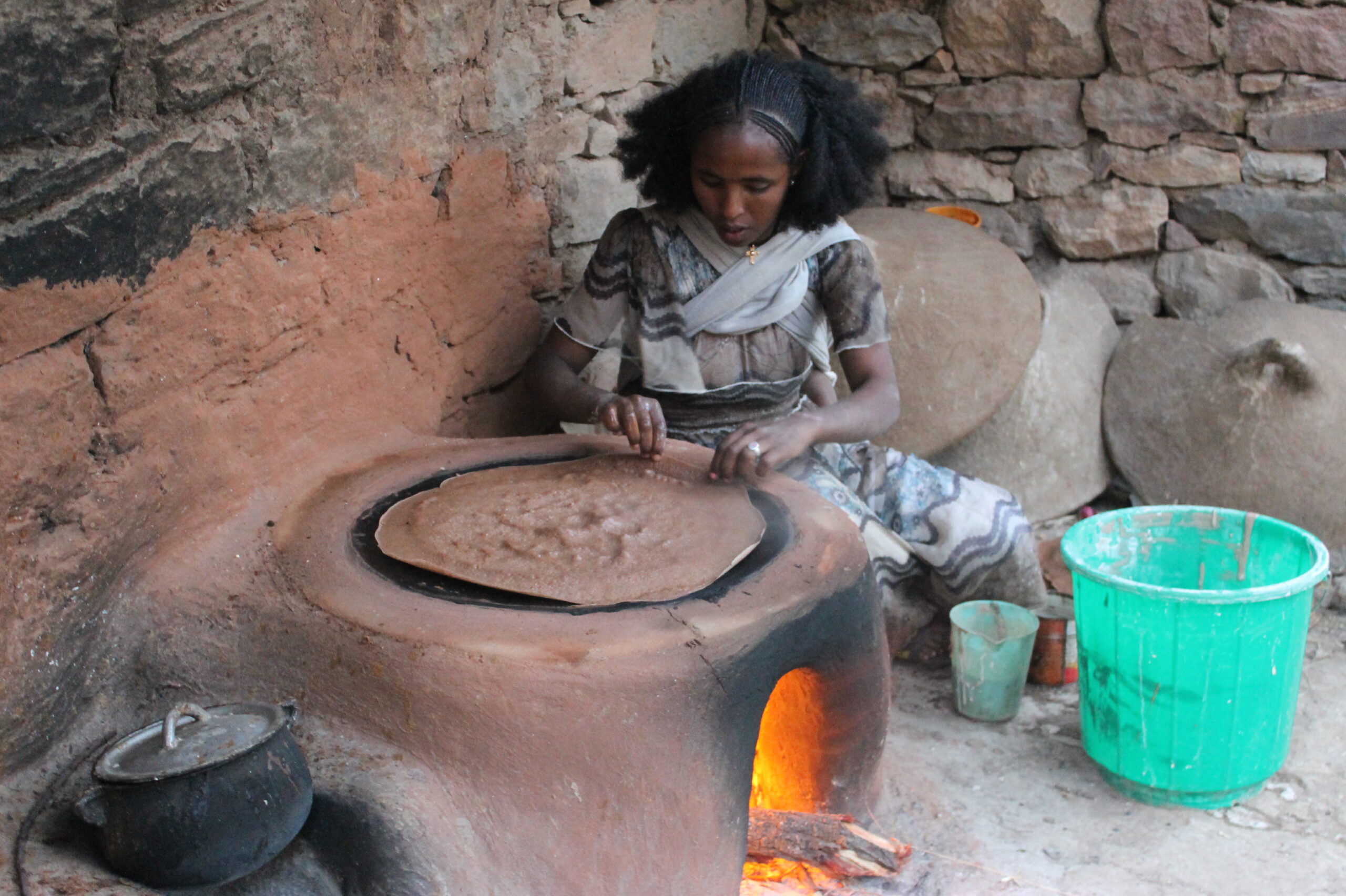
Two years back I was on a research mission in Arerti town, central Ethiopia, and visited an MSME that was set up in 2022 with the help of a Netherlands-funded 2 Scale Programme. The underlying thinking in 2 Scale programming is co-designing and implementing projects to create new businesses run by those marginalised in their communities, often women and youth. The programme improves access to markets and facilitates the provision of essential services like credit.
The MSME I visited was set up by four unemployed women, and was supported by the 2 Scale Programme, a local farmers union (called Kessem Union), and local and regional government actors. The business bakes and sells injera (a staple bread in the area and in many parts of Ethiopia) and has no official name or logo. The women were assisted to use a shed built with support from the town administration, Kessem Union and 2 Scale Programme as their workplace
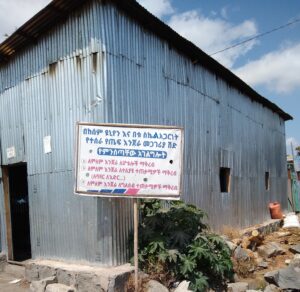
Teff Injera baking shed constructed with support from Kessem Union and 2 Scale Programme. credit: Seife Ayele
This Amharic sign translates to; “We provide fresh injera to: Hotels and restaurants, Events, Households”
Kessem Union supplied teff, the main ingredient of injera, to be paid for once the injera was sold. The entrepreneurs started well, were generating income and felt economically independent.
Besides their own jobs, the MSME has an induced employment effect downstream of the food value chain. Restaurateurs buying the injera in turn employed additional staff to work in their busy restaurants. While still in town, I held conversations with a couple of these restaurateurs who, while commenting positively on the performance of the entrepreneurs, pointed out some major areas for improvement, particularly regarding the consistency of the injera, its thickness, depth of cooking and the need for guaranteed timely deliveries.
I went back to the MSME owners with this feedback. They were fully aware of the limitations but were severely hampered by lack of access to a grid connection, and they were not able to pay for motorised delivery to the restaurants. They had to use firewood to bake injera, which directly contributed to tree damage and adversely affected the environment. Their workplace had no ventilation system either, so the smoke was impacting on their vision and general health. Moreover, one of the women had her toddler with her in the shed, so the child too was exposed to the unhealthy workplace.
The women at the MSME knew about the Ethiopian government’s electrification programme and industrial parks in nearby cities with grid connections for would-be investors. Their continuous plight for access to electricity, however, remained unaddressed.
Recently, I listened to the BBC World Service Programme “People Fixing the World” and subsequently read more about an uplifting story about women prosumers (renewable electricity producers and consumers) from Ambakivao, Madagascar. These entrepreneurial women are varyingly referred to as women solar engineers, solar mamas or solar grandmothers.
The initiative to generate and use renewable energy started back in 2012 by the World Wildlife Fund, in collaboration with India-based Barefoot College International (BCI). These women solar engineers generate electricity using solar panels and service their own households and their communities. The unique features of the initiative are that it is, first, led by poor women with limited literacy and no knowledge of solar technology. These are women less likely to migrate to cities, but they generate income from installing and sustainably maintaining solar panels in their communities. Second, it targeted those who live in rural areas with less access to the grid system (some of these engineers were 70 kilometres south of the Capital Antananarivo). Finally, the entrepreneurs received training and technical support from relevant actors such as BFI, WWF and local government. As a result, they were empowered to function independently and sustainably. They overcame dependence on firewood and fossil fuel for lighting, and batteries for lighting and phone charging. The BBC report notes that, by end of the decade, 700 women engineers would provide 500 000 families access to renewable electricity. Using similar practical solutions, it is doubly encouraging that communities using renewable energy for business, cooking, heating and lighting is growing in many parts of the developing world.
The two cases demonstrate that, while the challenge is huge, access to electricity is key for women-led MSMEs to thrive. Concerted collaborative initiatives such as that which enabled women solar engineers can be instrumental in producing and consuming electricity from mini to large solar panels, even in less accessible rural areas. MSMEs in low- and middle-income countries can be prosumers and fight against poverty and climate change. Creating opportunities for women as well as men is important for increasing the number of renewably powered businesses and speeding up the transition to clean energy.
Two important lessons for clean energy policy and practice in CEDCA’s focal nations are demonstrated by these case studies:
CEDCA aims to support policies and initiatives that increase access to renewable energy, generate economic possibilities, and empower women and young people to spearhead the shift to a more environmentally friendly future by learning from these experiences. These illustrations provide motivation and useful models for what can be accomplished in each of CEDCA’s priority areas.
As the world races to combat climate change, one of the most powerful solutions lies in unlocking the potential of women and youth. On the sidelines of the United Nations Commission on the Status of Women (CSW) 69th session, a groundbreaking event titled “Powering Change: Women, Youth, and the Clean Energy Revolution” will shed light on how these groups are pivotal in driving the global clean energy transition.
The event is set to be a powerful platform for showcasing the integral role of these often underrepresented groups in reshaping the energy landscape.
Women and youth have long been at the forefront of innovative solutions to global challenges, and their contributions to clean energy are no exception. Women bring unique leadership and perspectives to the table, offering fresh solutions and insights that can transform the energy sector. Youth, on the other hand, are often driving the demand for new technologies, sustainable practices, and ambitious policies.
Both groups face significant barriers to participation in the energy sector, but they also possess immense potential to reshape the future of energy systems. Empowering women and youth not only creates more equitable opportunities but also strengthens the overall resilience of energy systems. As the world grapples with the realities of climate change, it is essential that the voices of women and youth are heard, their talents recognized, and their leadership supported.
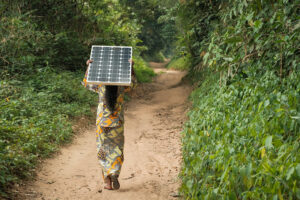
Photo by Axel Fassio/CIFOR
The Powering Change event comes at a pivotal moment for the global energy transition. As nations work toward meeting climate goals, women and youth are too often left out of decision-making processes. However, the inclusion of these groups in the energy sector is vital for achieving both social justice and environmental sustainability. By empowering women and youth, we can create a more inclusive and diverse energy workforce that drives lasting change.
The clean energy transition is not just about reducing carbon emissions; it’s also about economic growth, job creation, and social justice. However, to fully unlock its potential, the transition must be gender-sensitive and inclusive.
Without proper training, financial support, and employment pathways, many women and young people will miss out on opportunities in the sector. This could slow economic development and make it harder for countries to meet global goals like the Sustainable Development Goals (SDGs).
Bipasha Baruah, Professor & Canada Research Chair in Global Women’s Issues.
This is event is in-person only and for anyone who is attending The Commission on the Status for Women 2025 (UNCSW).
Location: CCUN, 10th floor
Time: 4:30 to 6:00 pm EST
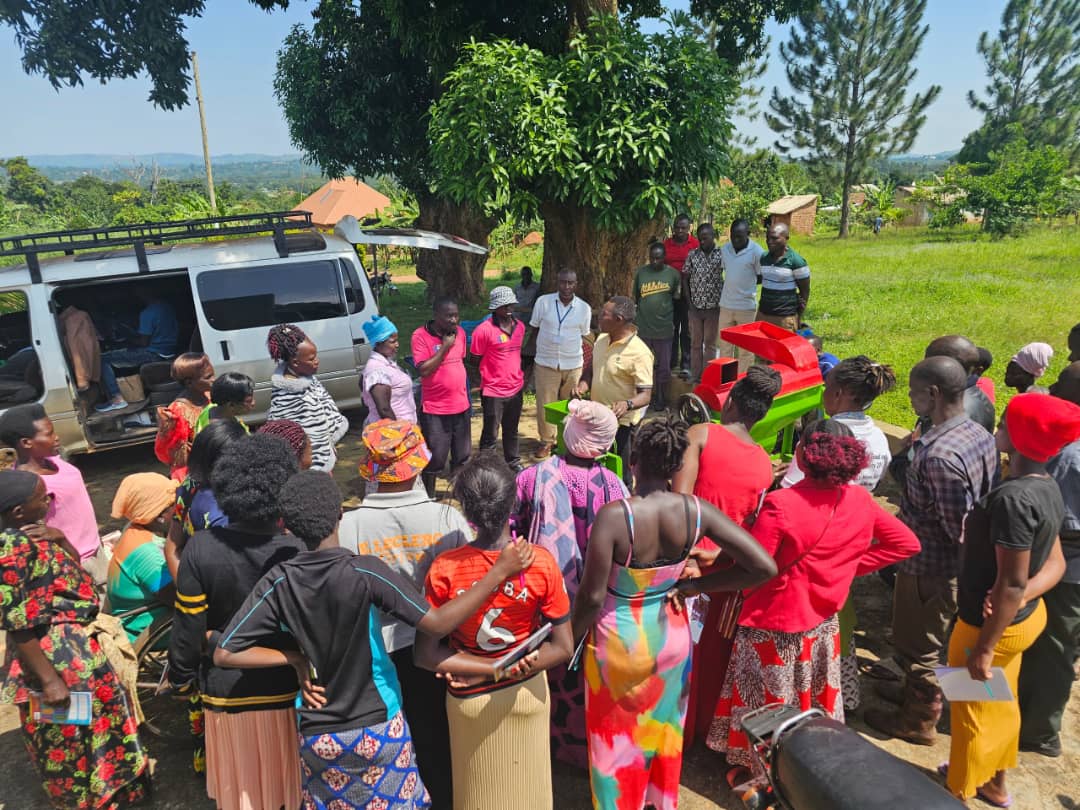
In the face of climate change and its disproportionate impact on agriculture, finding sustainable solutions for smallholder farmers is more critical than ever. With agriculture being the backbone of many Sub-Saharan African economies, adopting low-carbon technologies in this sector offers immense potential to drive inclusive economic growth while ensuring environmental sustainability.
Recently, a ground-breaking field experiment on low-carbon agricultural technology was launched under the leadership of our research team at Makerere University. This initiative is part of a collaborative effort involving the Environment for Development (EfD), the Partnership for Economic Policy (PEP), and the International Development Research Centre (IDRC) Canada.
The research, conducted with key partners such as the Ministry of Energy and Mineral Development, Musa Body Machinery Uganda, and SunCulture Uganda Limited, seeks to identify and address the barriers to adopting renewable energy solutions in agriculture. This work builds on the objectives of the Clean Energy for Development Call to Action (CEDCA) initiative, which strives for a just and inclusive energy transition.
Agriculture in Sub-Saharan Africa is predominantly small-scale, with many farmers lacking access to affordable and sustainable energy solutions. Diesel-powered irrigation systems and inefficient farming methods are still common, increasing costs and contributing to greenhouse gas emissions.
Low-carbon technologies such as solar irrigation systems and renewable energy-powered machinery can transform agricultural practices. SunCulture Uganda Limited, one of the key collaborators, with its partners, provides solar irrigation kits that are not only affordable but also easy to maintain. By adopting such technologies, smallholder farmers can improve yields, reduce operational costs, and build climate resilience.
Our field experiment focuses on understanding the systemic barriers preventing widespread adoption of renewable energy solutions in agriculture. These include high upfront costs, lack of financing options for small and medium-sized enterprises (MSMEs), and limited technical knowledge among farmers.
Through this research, we also aim to identify opportunities for scaling renewable energy technologies. Collaboration with local stakeholders, such as Musa Body Machinery Uganda, ensures that these solutions are contextually relevant and accessible.
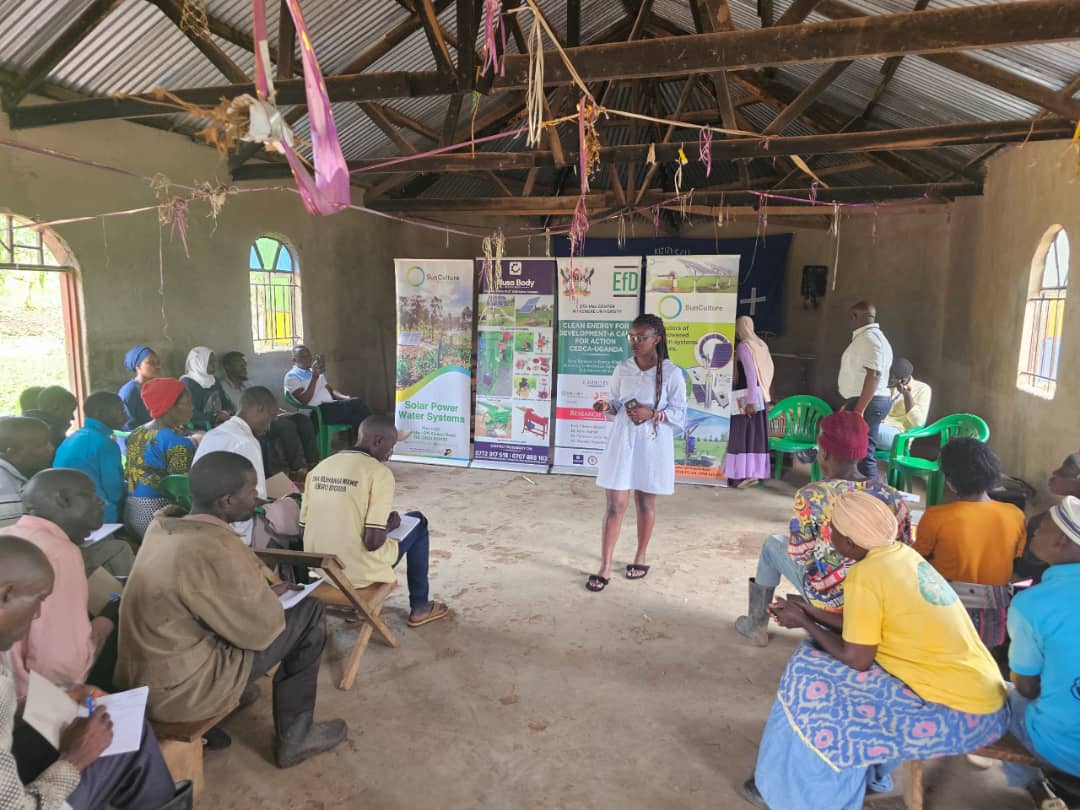
Credit: Aisha Nanyiti, PEP
For sustainable solutions to have a lasting impact, research needs to influence policy. The involvement of Uganda’s Ministry of Energy and Mineral Development in this project ensures that findings from the field experiment are integrated into national clean energy strategies. This collaboration will provide actionable recommendations to policymakers, emphasising the importance of investing in renewable energy for agriculture to achieve both economic and environmental goals.
The project highlights the critical role of MSMEs in driving the clean energy transition. As engines of local economic growth, these enterprises are key to delivering energy solutions to underserved communities. However, many MSMEs struggle to access financing and markets, limiting their ability to scale innovative solutions.
By partnering with organisations like PEP, which specialises in evidence-based policy research, this initiative seeks to strengthen the capacity of MSMEs to deliver renewable energy technologies. Moreover, the field experiment directly engages smallholder farmers, ensuring that their voices and experiences shape the design and implementation of these solutions.
The broader goal of this initiative aligns with the CEDCA vision of creating inclusive, low-carbon, climate-resilient economies. Renewable energy solutions for agriculture are not just about reducing emissions—they are about empowering communities, enhancing food security, and creating green jobs.
The collaboration between EfD, PEP, and IDRC demonstrates the power of partnerships in tackling complex challenges. By bringing together researchers, policymakers, and private sector actors, this initiative lays the foundation for a cleaner, more equitable future for agriculture in Sub-Saharan Africa.
As field experiments progress, the findings will provide valuable insights into how renewable energy solutions can be scaled to benefit smallholder farmers and rural communities. The hope is that these efforts will serve as a blueprint for similar initiatives across Africa and beyond, demonstrating that a just clean energy transition is not only possible but also transformative.

Today, on the International Day of Clean Energy, we highlight the urgent need for an inclusive and equitable energy transition, aligned the 7th sustainable development goal; Ensure access to affordable, reliable, sustainable and modern energy for all
The Clean Energy for Development Call to Action (CEDCA), supported by the International Development Research Centre (IDRC), is a step towards ensuring that clean energy solutions benefit all, particularly marginalised groups who are often left out of global climate initiatives.
The transition to clean energy is not just about reducing carbon emissions—it’s about rethinking who benefits from the transition. For too long, marginalized communities have faced energy poverty while wealthier nations and corporations shape the agenda. Without proactive interventions, the shift to low-carbon economies could deepen existing inequalities.
“We see clean energy as the golden thread between economic development, social inclusion, and environmental protection,” says Erin Tansey, Director of Sustainable Inclusive Economies at IDRC. This means that investing in clean energy must also mean investing in communities, jobs, and justice.
CEDCA takes a systems-level approach to clean energy development by integrating research, policy engagement, and financial innovation. With 12 research projects spanning 27 countries, the initiative seeks to ensure that clean energy solutions advance sustainable energy access, promote green jobs, and enhance gender equality in the energy transition.
One of the key pillars of CEDCA’s work is generating evidence to inform policies and investments. This includes:
Access to clean energy is not just about sustainability; it is about economic empowerment. Millions of people in low-income communities still rely on expensive and polluting energy sources, limiting their economic opportunities. Clean energy solutions, such as solar microgrids, energy-efficient cookstoves, and wind power, can transform livelihoods, improve health, and create new job markets.
A major focus of CEDCA is the promotion of clean energy enterprises led by women and youth. By fostering financial inclusion, capacity-building, and entrepreneurship in the renewable energy sector, CEDCA ensures that these groups are not just passive beneficiaries but active contributors to the green economy.
One of the significant barriers to clean energy adoption in developing regions is financing. Many small businesses and households struggle to access credit for renewable energy solutions due to high upfront costs. CEDCA is working to address this by developing innovative financing models, such as microfinance, pay-as-you-go solar models, and blended finance mechanisms that reduce investment risks.
Moreover, policy coherence is essential to scaling up clean energy access. Many countries still lack regulatory frameworks that incentivize clean energy adoption. CEDCA collaborates with policymakers, researchers, and industry leaders to create evidence-based policies that encourage investment in sustainable energy solutions.;
“By ensuring better-aligned policies and investments, we can accelerate the transition to low-carbon economies that work for everyone,” says Duggan.
One of CEDCA’s key contributions is fostering South-South collaboration. Many successful clean energy initiatives have emerged in Latin America, Africa, and Asia, and sharing knowledge across these regions is crucial for scaling up solutions. Through research networks, policy dialogues, and cross-country learning exchanges, CEDCA ensures that best practices are widely shared and implemented.
One of the critical gaps in climate research has been the disconnect between policymakers, investors, and communities on the ground. CEDCA seeks to bridge this gap by fostering dialogue between these stakeholders;
“Often, research provides recommendations for national policymakers or investors, but we rarely see them in conversation with each other,” Duggan explains. By creating spaces for these discussions, CEDCA helps translate research into actionable policies and investments that drive a just energy transition.
A major focus is on developing financing mechanisms that de-risk investments in clean energy initiatives. By working with policymakers, CEDCA is advocating for regulatory frameworks that incentivize sustainable energy investments and ensure they benefit local economies.
As we mark the International Day of Clean Energy, the message is clear: clean energy must be accessible, inclusive, and just. Initiatives like CEDCA demonstrate that meaningful change is possible when research, policy, and community voices come together. Watch this video to learn more about IDRC’s aspirations for the CEDCA initiative.
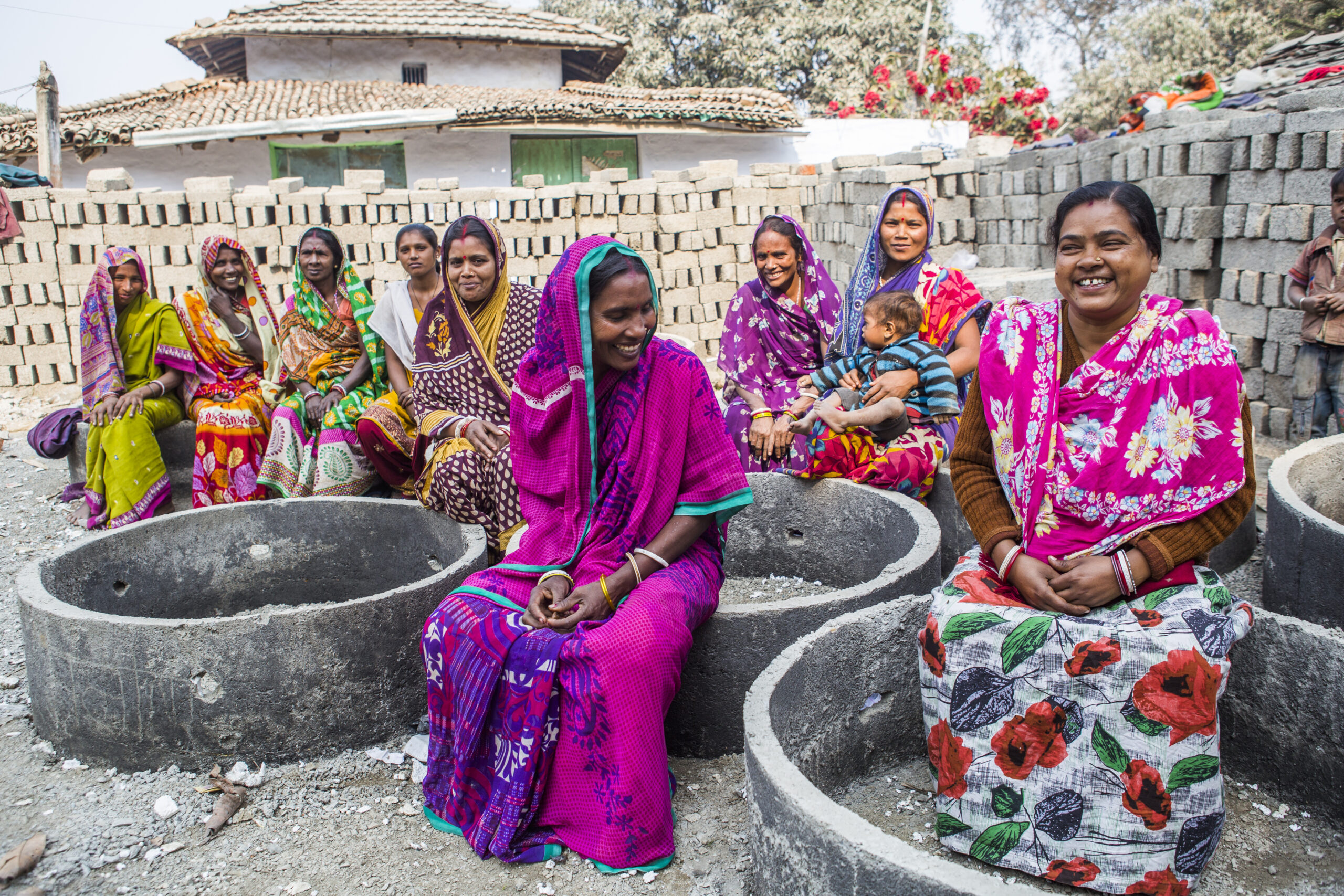
2X Global, in collaboration with Aspen Network of Development Entrepreneurs (ANDE) and supported by Canada’s International Development Research Center (IDRC), is launching an innovative research project seeking to improve the outcomes for women-led clean energy enterprises through applied research. This applied research will focus on Sub-Saharan Africa, Latin America and the Caribbean, and Asia-Pacific.
We are looking for local and women-led fund managers across these markets with an investment thesis and strategy that has a gender and climate lens and seeks to contribute to a low carbon energy transition. 2X Global, with its 2X Ignite initiative and regional research leads, will be selecting 10-20 gender- smart fund managers who will receive support to develop case studies that demonstrate the impact potential at the nexus of gender and climate, enabling a clean energy transition.
We will be selecting local, women-led fund managers who are originally from and operating in Sub-Saharan Africa, Latin America & the Caribbean, or Asia-Pacific with an investment thesis and strategy that has a gender and climate lens, and seeks to contribute to a low carbon energy transition. Emerging and first-time fund managers, evergreen vehicles and non-traditional fund structures are welcome. It is desirable for the fund manager to have made some investments under its thesis but these can be early track record deals.
The project is expected to run over a period of 12-24 months during which we will co-create a new or enhance an existing Impact Management & Measurement System (IMM), and collect impact data over a meaningful time period. The fund manager must consent to share key metrics of the IMM and agree for a case study to be published open access on the 2X Global website and research publications for academic and practitioner audiences. Confidential information can be defined collaboratively and removed from publication. To learn more about the project, please contact us.
If you are interested in contributing to this research project, please complete the Expression of Interest form on the 2x Global website here. 2x Global will be accepting and reviewing expressions of interest on a rolling basis and encourage early submissions. Fund managers will be selected by year end 2024.
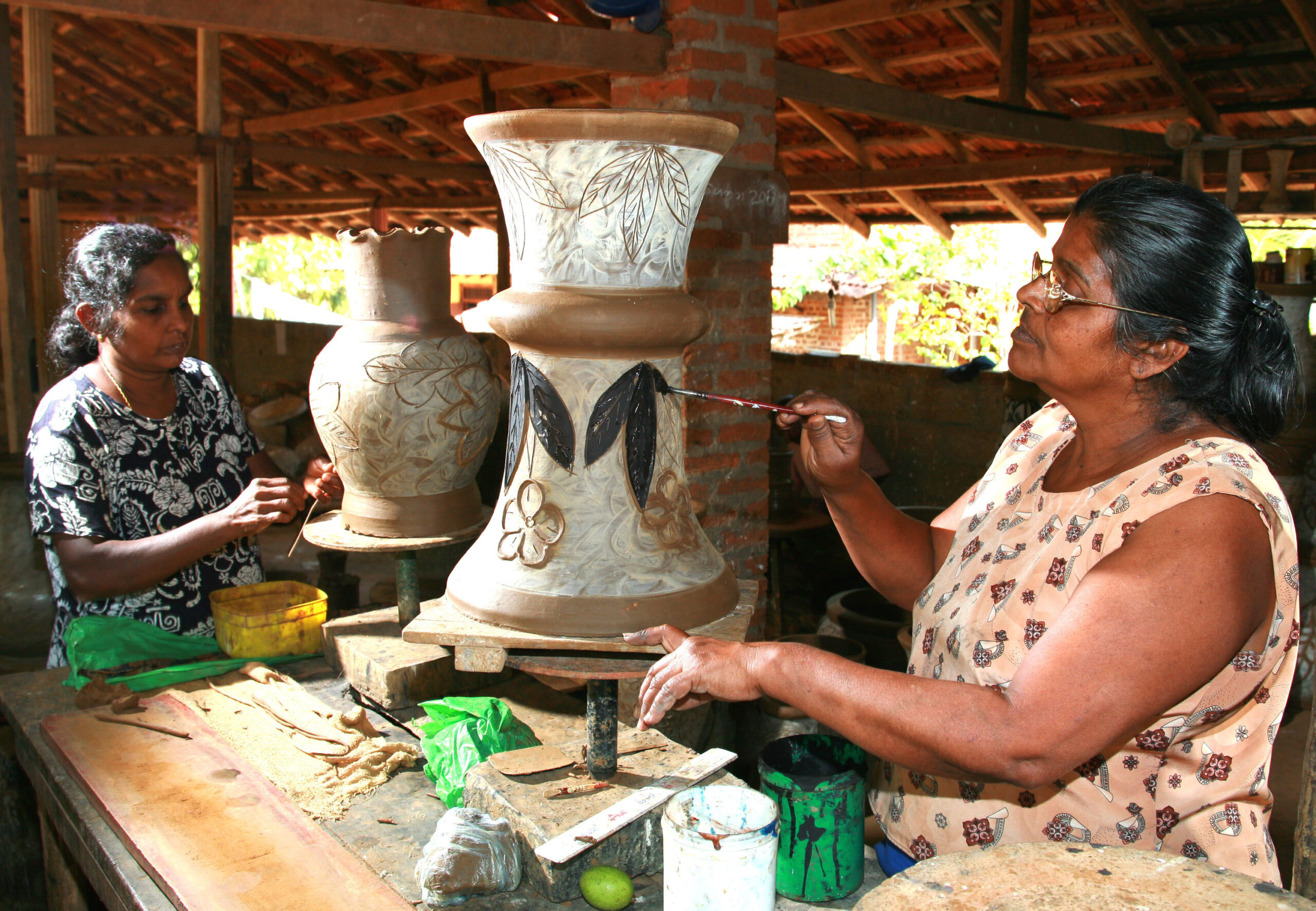
The CC Facility Learning Hub is seeking to build upon the knowledge within its inaugural report on gender-responsive blended climate finance transactions in the energy sector, through engaging with a local institute to collaborate on the design and implementation of a research project (“the project”).
The project will inform key data gaps in the gender-climate nexus, specifically within the blended climate finance market.
Growing evidence points to women playing a critical role in achieving climate goals, acting as benefit-multipliers and important agents of change at all levels of society. There is thus an urgent need to leverage their roles as consumers, workers, borrowers, entrepreneurs, and community leaders and increase investments into transactions that incorporate both gender and climate considerations.
Yet, mainstreaming gender in climate vehicles often encounters a myriad of barriers. This is apparent in the blended finance market, where out of the 551 climate blended finance deals in Convergence’s Historical Deals Database (HDD), only 22% were gender-responsive, a considerably lower proportion than the overall trend in the blended finance market where 31% of the deals were gender-responsive.
The project will therefore consist of conducting research with the goal of helping to mobilize higher levels of private sector capital into gender responsive climate transactions.
Click here to view the Request for Proposal (RFP) for details.

The Economic Community of West African States (ECOWAS) Sustainable Energy Forum (ESEF) 2024, held in Abidjan, Côte d’Ivoire, featured a pivotal session on “Women Entrepreneurs in the Clean Energy Sector: Challenges and Opportunities.” This session provided an invaluable platform to discuss gender inclusivity in energy transitions, highlight innovative projects, and drive momentum for policies fostering gender equity.
The ECOWAS region faces pressing energy challenges, with only 57% of its 420 million people having access to electricity and 20% to clean cooking fuels according to the ECOWAS Directorate of Energy and Mines (DEM). Against this backdrop, ESEF 2024 focused on advancing sustainable energy policies, with gender equity being central to achieving these goals.
The ECOWAS Policy for Gender Mainstreaming in Energy Access (2017) and directives such as the Gender Impact Assessment in Energy Projects have laid a foundation for integrating women into the energy transition (ESEF-2024-Concept-Note). However, systemic challenges persist, necessitating platforms like ESEF to spotlight transformative solutions.
The Women and Clean Energy in West Africa (WOCEWA) project, initiated in February 2024, was highlighted during ESEF as a vital initiative under the Centre for Energy for Development: A Call for Action Initiative(CEDCA). Aligned with the ECOWAS Policy for Gender Mainstreaming in Energy Access, WOCEWA collaborates with energy-sector small and medium enterprises (SMEs) to empower women and address gender-specific challenges within their operations.
Key Components of WOCEWA:
WOCEWA’s mission embodies the transformative potential of gender-inclusive energy strategies, equipping women with the tools, skills, and opportunities needed to excel in renewable energy
Their contributions exemplified the breadth of female expertise in West Africa’s energy landscape.
Bipasha Barua, CEDCA’s Gender Equality and Inclusion Adviser, provides essential insights into systemic barriers women face in clean energy transitions:
Bipasha’s assertion that “energy is power” reinforces the urgency to dismantle gender hierarchies and integrate gender-sensitive approaches in energy policies and projects. Her work with CEDCA aligns perfectly with WOCEWA’s mission, emphasising targeted education, inclusive policies, and proactive measures to ensure equitable access.
Despite challenges, the clean energy sector offers immense potential for women entrepreneurs:
ESEF 2024 illuminated the indispensable role of women in achieving ECOWAS’s sustainable energy targets. Initiatives like WOCEWA and insights from experts like Bipasha Barua underscore the transformative potential of a gender-inclusive approach to energy transitions.
CEDCA remains committed to championing these efforts, ensuring that women across West Africa not only participate in but lead the region’s clean energy revolution.

As COP29 concludes in Baku, Azerbaijan, global leaders and stakeholders reflect on the progress made in addressing the climate crisis. With its focus on sustainable energy transitions, equitable climate finance, and inclusive policymaking, this year’s conference highlighted the critical role of clean energy in achieving climate resilience. These themes resonate strongly with the priorities of CEDCA (Clean Energy for Development: Call to Action), which emphasizes knowledge translation, community-led solutions, and gender-inclusive strategies for clean energy development.
COP29 reinforced the urgency of transitioning to clean energy to mitigate the impacts of climate change. The energy sector remains the largest contributor to global greenhouse gas emissions, responsible for 75% of global emissions according to the International Energy Agency (IEA). Discussions at the conference stressed the need for rapid decarbonization and increased investment in renewable energy infrastructure.
CEDCA’s initiatives align with these goals, advocating for knowledge-driven, scalable energy solutions tailored to local contexts. Its projects focus on bridging research and practice to ensure energy transitions are sustainable and inclusive.
One of COP29’s key takeaways is the importance of localized, context-specific approaches to clean energy. Global solutions must be adaptable to the unique needs of communities, particularly in low- and middle-income countries (LMICs). CEDCA’s projects emphasize this principle, advocating for community-driven initiatives such as solar microgrids and clean cooking technologies.
For example, decentralized renewable energy systems have been transformative in rural areas of sub-Saharan Africa and South Asia, providing reliable and affordable energy to communities previously reliant on fossil fuels. These systems align with COP29’s push for technologies that not only reduce emissions but also empower local populations.
COP29 also underscored the critical role of climate finance in accelerating energy transitions. A renewed pledge to mobilize $100 billion annually for climate action highlighted the urgency of channelling funds toward clean energy projects. However, equitable allocation remains a challenge.
CEDCA advocates for innovative financing models, such as blended finance and community contributions, to ensure resources reach underserved areas. These models are essential for scaling renewable energy projects while fostering local ownership and sustainability.
Gender equity was a major focus at COP29, particularly in discussions on climate adaptation and resilience. Women, especially in LMICs, face systemic barriers to accessing clean energy and participating in decision-making processes. Yet, they play a critical role in driving community-based solutions.
CEDCA’s projects align with this emphasis, advocating for gender-responsive approaches to clean energy. For instance, initiatives promoting women’s leadership in renewable energy sectors have demonstrated significant benefits, from increased adoption rates to enhanced social trust. These findings echo COP29’s call for inclusive policies that prioritize the voices and needs of marginalized groups.
A central theme at COP29 was the need to turn research into actionable solutions. CEDCA’s projects address this gap by providing tools and strategies for effectively bridging the divide between academic findings and real-world applications.
Key priorities include:
These approaches are essential for ensuring that clean energy transitions are not only scientifically robust but also practical and impactful.
As COP29 draws to a close, the message is clear: clean energy is not just a technological challenge but a social and economic imperative. By integrating insights from COP29 and CEDCA’s initiatives, we can advance sustainable, equitable energy transitions that benefit all.
Explore our latest findings and insights in the publication Clean Energy for Development: A Call to Action on IDS OpenDocs.
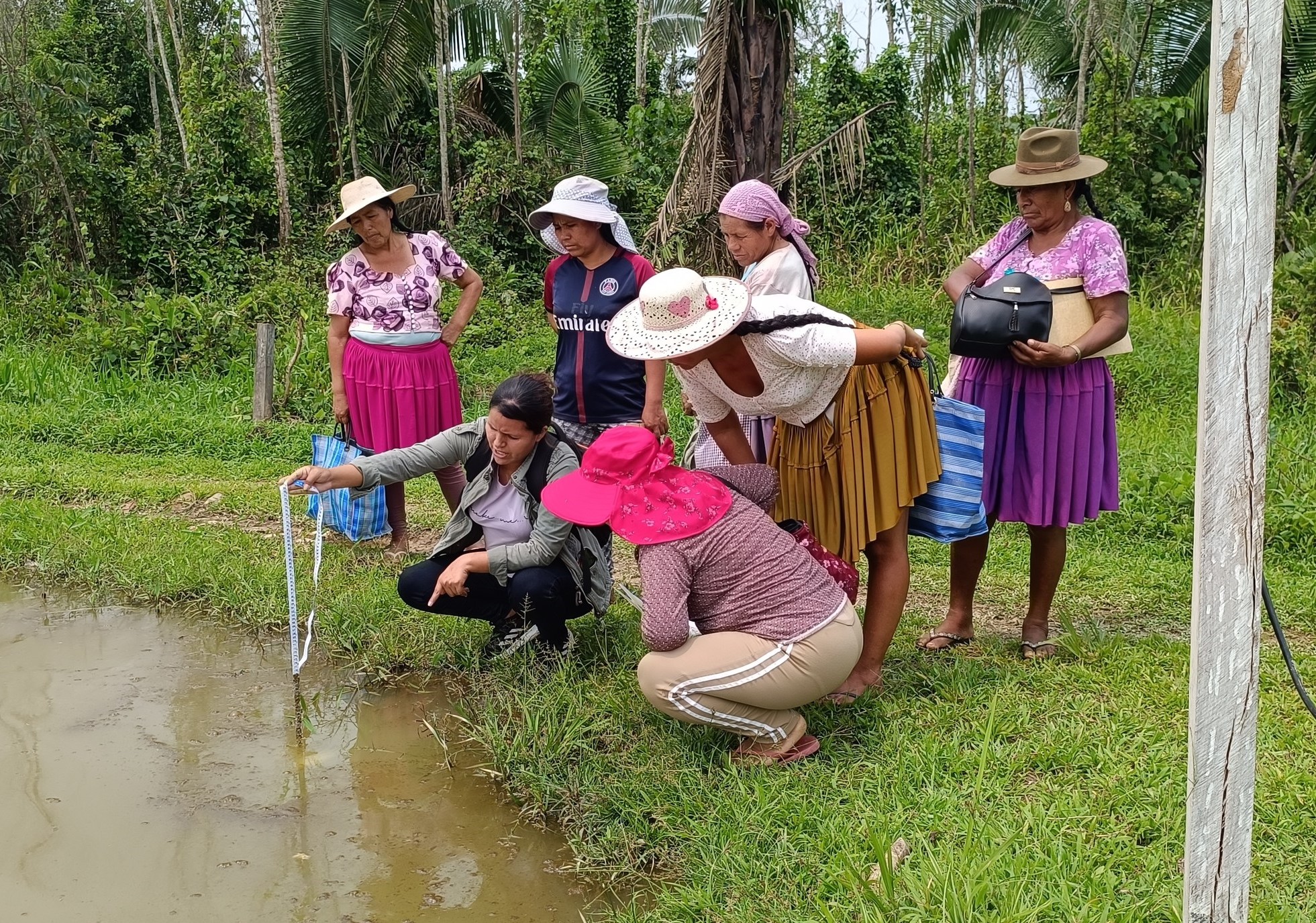
Powering Bolivia: Decentralised Renewables for Economic Growth and a Just Transition
The GENERIS-Bolivia project aims to develop policy guidelines to promote an energy transition that will strengthen Bolivia’s productive structure, with special emphasis on the role of decentralised renewable energies in the economic performance of micro- ,small- and medium-sized enterprises (MSMEs) and in job creation.
South American countries have made international commitments to energy transition within the framework of the Nationally Determined Contributions (NDCs), posing multiple challenges. These challenges require coordinated actions among national actors to reduce greenhouse gas (GHG) emissions and mitigate their impacts without compromising development. In Bolivia, as in other countries in the region, these challenges arise not only at the macroeconomic level but also at the sectoral level, placing pressure on the energy sector’s ability to meet the conditions necessary for inclusive development.
Currently, Bolivia’s energy mix is predominantly composed of fossil fuels: 80% natural gas and 12.9% oil. Yet the country has access to a diverse range of renewable energy sources, particularly solar, in a large part of the national territory. This would allow it to transition to cleaner sources of energy. Thus, the NDCs proposed by the country propose to increase the production of energy from renewable sources in the primary mix. However, natural gas and electricity generated mostly with fossil resources are an essential source of foreign exchange for the country. Between 2019 and 2023, fossil fuels accounted for a quarter of the value of exports. As a result, Bolivia’s macroeconomic stability rests in the short and medium term, at least partially, on an export basket in which fossil fuel commodities are essential.
The energy transition can create opportunities in the domestic market by increasing household and corporate access to high-quality energy while reducing dependence on exportable primary fossil fuels and certain imported fossil derivatives. Currently, 99.2% of urban households and 81.5% of rural households in Bolivia are connected to the power grid. However, in the Beni and Pando districts, rural access drops to 70%, leaving approximately 200,000 families nationwide without reliable electricity service. Among urban micro and small production units in the industrial sector, 98% are connected to the power grid, but only 6% have access to natural gas, with LPG (Liquefied Petroleum Gas) usage (22%) largely offsetting this limitation. In rural areas, while electricity is widely available, access to natural gas and even LPG is even more limited among households and agricultural and forestry production units.
However, energy access numbers obscure other energy, economic, and cultural factors that influence the level and way productive units consume energy and, consequently, their economic performance and ability to create quality employment. These factors include power outages, voltage drops, high energy costs, and lack of access to natural gas, among others. These challenges impede the performance of productive units, primarily rural and family-based enterprises, which are crucial for meeting domestic food market demands and preserving Bolivia’s food sovereignty. These enterprises also have the potential to integrate into global agrifood value chains, where environmental sustainability—through green certifications required by developed countries—is becoming increasingly important. Therefore, providing these productive units with access to renewable energy sources and incorporating distributed energy systems could enhance the quality and reliability of energy access, resulting in numerous benefits:
Fish farming is a great example of how adopting Distributed Renewable Energy Access (DREA) systems can support an energy transition aligned with sustainable development goals. These systems can be used by agricultural and forestry productive units, as well as MSMEs that process these resources. River fish farming involves more than 1,500 productive units in Bolivia. Although these units have access to electricity, it is typically provided under a residential tariff structure, as productive activities are integrated into the home. However, this electricity supply comes with high periodic bills when usage is intensive, creating challenges for producer families due to their inconsistent cash flow.
Because of these conditions, gasoline is the primary fuel used by production units to oxygenate the pools, clear weeds from the edges, transport feed, and empty the pools for annual cleaning. However, accessing this can be difficult: its relative price is high and there are monthly quotas limiting the amount that can be purchased. This forces households to endure long lines to obtain it, and even then, the quota often falls short of meeting their productive needs.
In this context, DREA offer a viable solution to generate the electricity required for the various activities involved in fish farming. These systems not only improve the economic performance of production units but also affect the organisation of time for the families managing them by reshaping how time is allocated.
This replicable model highlights the positive impact DREA systems can have on the economic performance of rural MSMEs, the well-being of their members, and their contribution to Bolivia’s energy transition.