

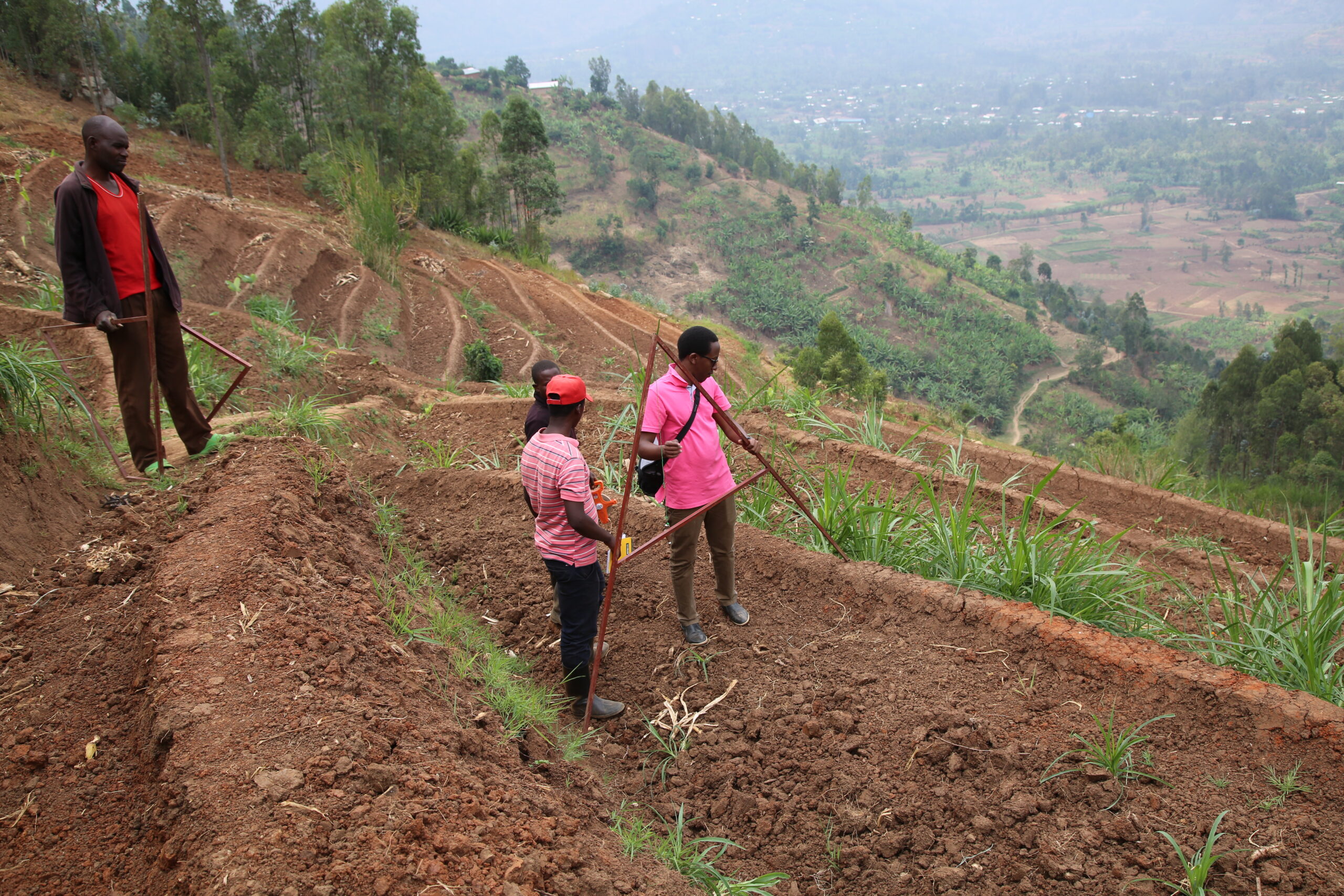
'Integrated Land, Water Resources and Clean Energy Management for Poverty Reduction - Rwanda Green Fund Investment' by Rwanda Green Fund via Flickr (CC BY-ND 2.0) https://flic.kr/p/XpZyTM
Call for proposals: ANDE
1 May 2024
ANDE is launching a new initiative to investigate the significant challenges that women face in clean energy entrepreneurship, through applied research. They will fund actionable research that aims to build the evidence base on the barriers that women face in clean energy entrepreneurship, with a regional focus on Latin America, the Caribbean and Sub-Saharan Africa.
The Aspen Network of Development Entrepreneurs (ANDE), with support from the International Development Research Centre (IDRC), will fund six research projects on women in the clean energy sector. Lead organisations or individuals must be based in Latin America, the Caribbean, or Sub-Saharan Africa, and the research project should propose to conduct research in these regions.
Details
- Call for proposal: Improving outcomes for women-led clean energy enterprises through applied research.
- Submission deadline: 31 May 2024
- Budget: Up to USD $60,000, depending on the scope of the proposal submitted.
- Research Topic: ANDE is looking for applied research to uncover ways to support women entrepreneurs, employees and consumers in the clean energy sector. The research questions that ANDE is interested in, but not limited to, include:
- What practices can entrepreneur support organizations (ESOs) adopt to make their programs more gender inclusive for women entrepreneurs and employees in clean energy (e.g. women mentors, childcare) and encourage founders to employ more women and pay equal wages?
- Which types of ESOs (e.g., sector-specific vs. sector-agnostic ESOs) support women entrepreneurs more effectively and promote workforce gender equality in the clean energy sector?
- What are interventions that can be implemented and scaled to reduce the gender bias of investors and employers in the renewable energy sector?
- What are the examples of businesses that scaled and served women consumers in renewable energy, and what are their success factors (e.g. how did they develop their service/product, how did they identify and reach out to their consumer base)?
- Do women business owners champion the rights and serve the need of women employees and consumers better than their counterpart men?
Only proposals from individuals, teams and/or organisations based in Sub-Saharan Africa, Latin America or the Caribbean will be considered.
ANDE is one of 12 projects working with the Clean Energy for Development initiative. Their project seeks to reduce barriers and improve pathways to growth for women-led enterprises in clean energy, with a particular focus on gender-smart capital mobilisation towards locally relevant clean energy solutions.
Visit the ANDE website for more details and information about this call for proposals.
blog
Webinar: Clean Energy Transitions: A care economy lens
Wednesday 16 September 2026
Clean energy transitions: what changes when we put care at the centre? Join us for an engaging webinar exploring how clean energy transitions can do more than expand access to power: they can also reduce drudgery, shift how unpaid care work is recognised and shared, and open up new opportunities for women and young people in […]
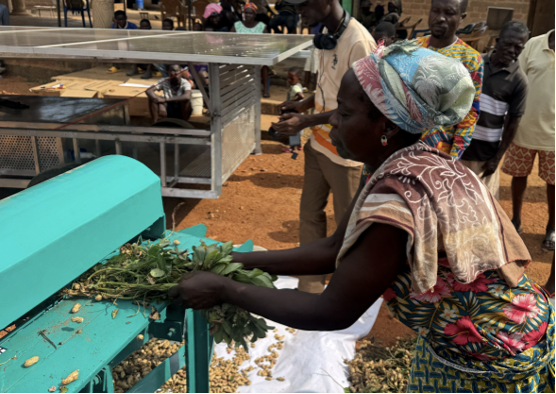
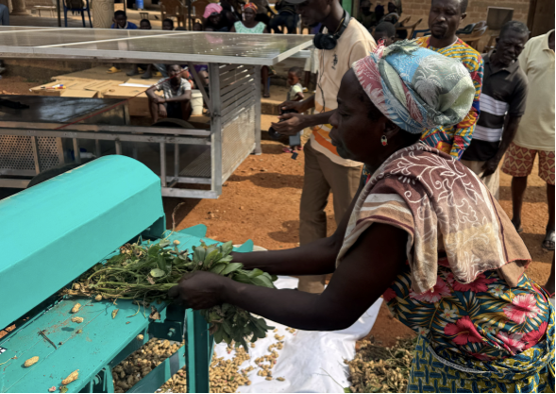
Smallholder farmer testing INFoCAT renewable energy powered groundnut pod plucker in Gomoa (Central Region, Ghana). Photo by UNU INRA.
Clean Energy Transitions: A Care Economy Lens
20 April 2026
How can clean energy transitions reduce energy poverty while also addressing the unequal burden of unpaid care work? This is an increasingly urgent question as the global shift to clean energy reshapes not only energy systems, but everyday life within households. Across many low- and middle-income countries, women and girls continue to shoulder a disproportionate […]
Decentralised renewable energy for rural SMEs in Bolivia: benefits, opportunities and challenges for women
8 July 2026
Bolivia is facing an energy crisis marked by shortages of diesel and petrol, and by high energy costs. For small and medium-sized rural family-based enterprises (SMEs), which play a central role in food production and in sustaining rural livelihoods, this situation increases operating costs, affects productive continuity and limits competitiveness, especially in territories with limited […]