
Reimagining care infrastructure for a just energy transition
2 July 2026
Women Deliver is one of the most important global conferences on gender equality, justice and collective action. It brings together activists, researchers, policymakers, funders and organisations from around the world to discuss and build collective responses to the challenges affecting the lives of women and girls.
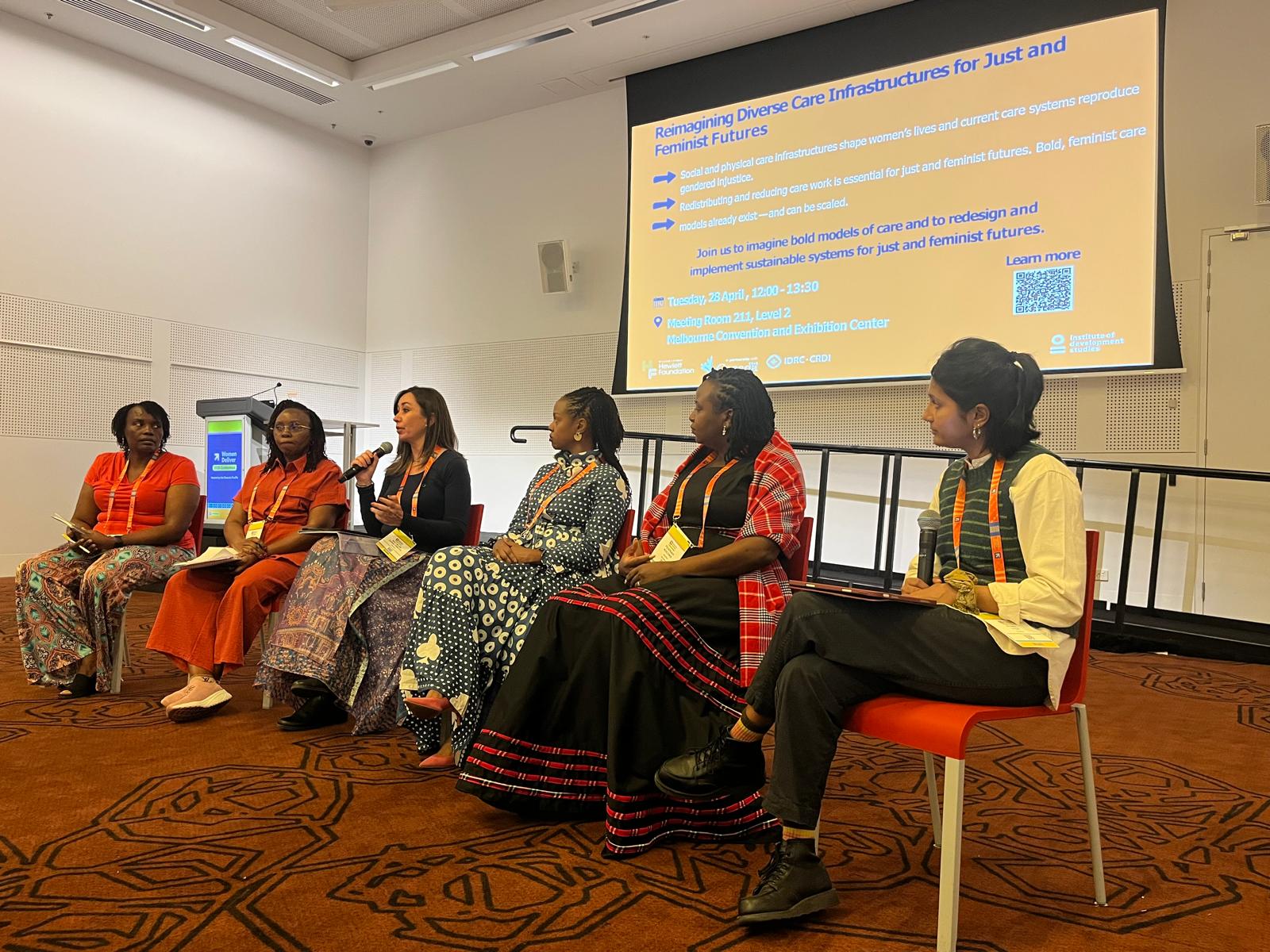
In this context, the panel “Reimagining Diverse Care Infrastructures for Just and Feminist Futures” created space for important conversations about what is being done today to support care through both social and physical infrastructure. The session started from a central idea: care can no longer be seen as a private, invisible or naturalised issue. Care sustains everyday life, families, communities and the economy, yet it continues to fall disproportionately on women. From this perspective, the panel brought together different experiences to reflect on what is already being done and what is still needed to build care support systems that are more just, inclusive and sustainable.
One of the most valuable contributions of this space was that it brought together projects from Africa Cares Together (ACT CoP) and Clean Energy for Development initiative (CEDCA), connecting two agendas that often move forward separately: on the one hand, conversations on the care economy, unpaid work and community networks; and on the other, conversations on clean energy transitions, financing, innovation and physical infrastructure.
Too often, clean energy transitions are presented mainly as technological or climate solutions: a question of access, coverage, efficiency or emissions reduction. However, the panel made visible that energy also shapes everyday life. It can reduce drudgery, save time, lower risks and make certain tasks linked to care and sustaining life less burdensome. When this happens, energy stops being only a technical issue and begins to function as a tool that supports care and improves quality of life.
The experience of the Renouveau FJ project in Senegal showed in a very concrete way how an energy transition can also be understood through the lens of care. If we want to build truly just transitions, it is not enough to talk about new technologies, access to finance or services. It is also necessary to ask how life is sustained every day, under what conditions, with what forms of support and at what cost. This is an especially important question when we speak about women who not only face barriers to accessing information about clean energy and financing tailored to their needs, but also face an overload of unpaid care work, lack of time and household power dynamics that limit their ability to decide, invest and adapt.
At present, the project is generating evidence on the conditions needed for energy transitions to become more inclusive and more sensitive to care in women’s everyday lives. Its initial findings show that the barriers are not only economic or technical. They also include time poverty, unpaid care work, limited access to finance, low awareness of renewable technologies and household power dynamics that restrict women’s ability to decide, invest and benefit from these solutions.
What makes this experience especially valuable is that it does not stop at identifying barriers. It is also testing concrete responses, such as training in business management, financial education, climate resilience and women’s leadership, together with work on shared responsibility within the household. This approach offers an important lesson: if energy transitions are to truly benefit women and youth, it is not enough to make technologies available. It is also necessary to strengthen capacities, expand access to useful information, create conditions for informed decision-making and challenge the inequalities that limit the use and benefits of these solutions.
Reimagining the energy transition through a care and gender lens is a necessary condition for building transitions that are more human, inclusive and truly just.
blog
Lead Partner
Développement international Desjardins (DID)
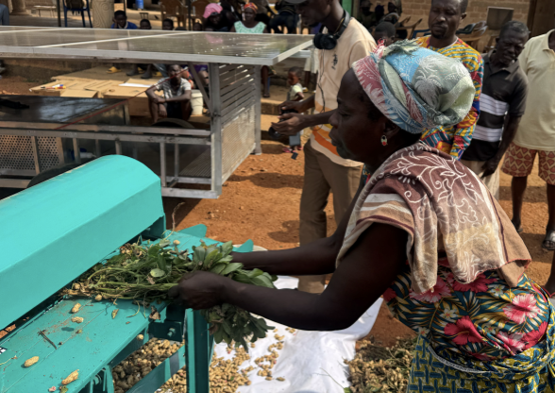
Smallholder farmer testing INFoCAT renewable energy powered groundnut pod plucker in Gomoa (Central Region, Ghana). Photo by UNU INRA.
Webinar: Clean Energy Transitions: A care economy lens
Wednesday 16 September 2026
Clean energy transitions: what changes when we put care at the centre? Join us for an engaging webinar exploring how clean energy transitions can do more than expand access to power: they can also reduce drudgery, shift how unpaid care work is recognised and shared, and open up new opportunities for women and young people in […]
Solar panels, Bolivia
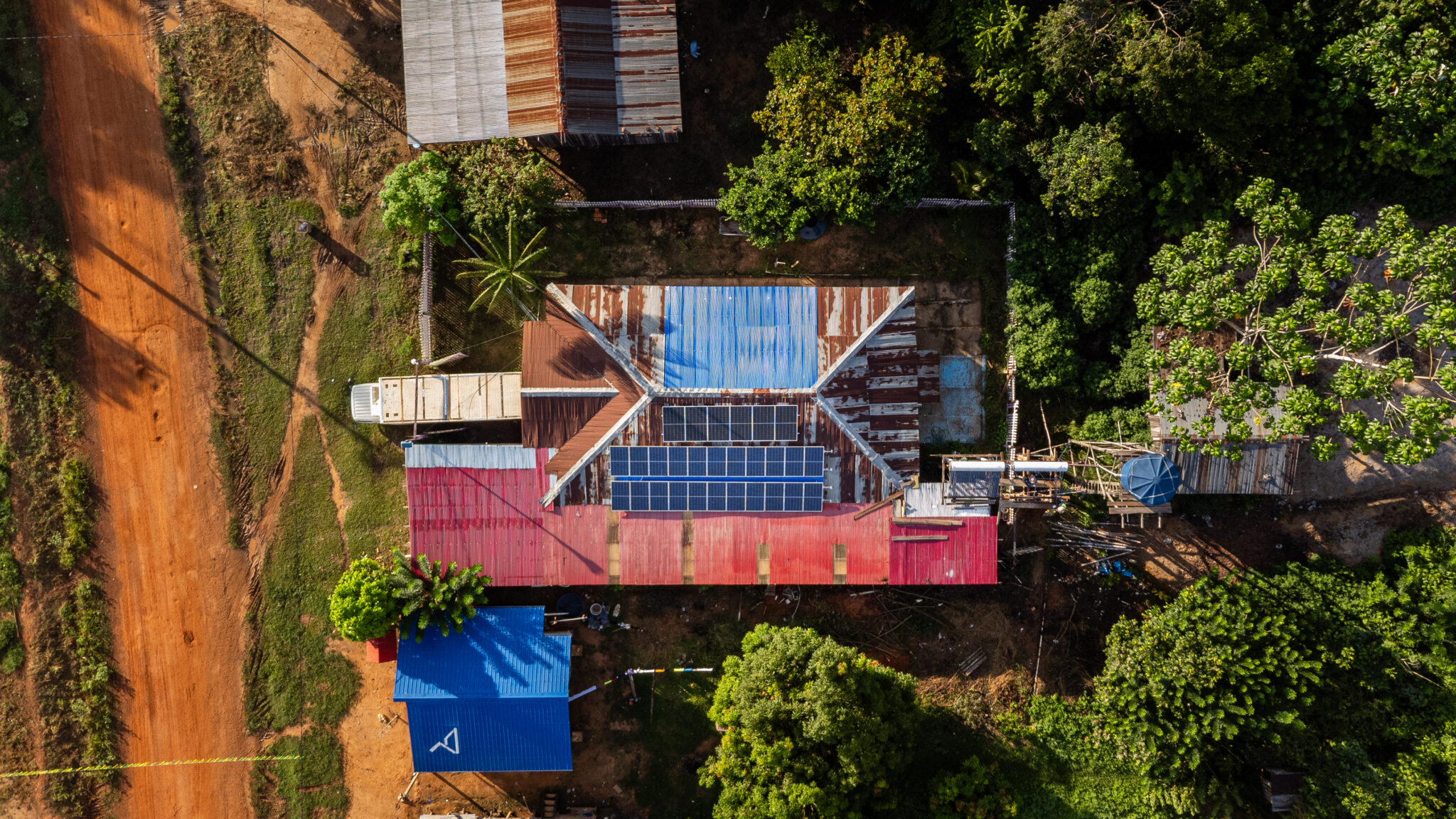
Inclusive and Clean Energy for SMEs in Rural Bolivia
7 October 2026
Bolivia has achieved high rates of electricity access, yet rural and semi-rural producers still face major barriers to securing reliable, affordable energy for productive use. Small- and medium-sized enterprises (SMEs) in the agrifood sector play a central role in ensuring national food security and creating employment. However, they remain highly dependent on fossil-fuel-powered pumps with […]
Smallholder farmer testing INFoCAT renewable energy powered groundnut pod plucker in Gomoa (Central Region, Ghana). Photo by UNU INRA.
Putting care at the centre of clean energy transitions
14 October 2026
Clean energy transitions are often discussed in terms of technology, finance and climate targets. But what changes when we put care at the centre? Across many low- and middle-income countries, women and girls carry a disproportionate share of unpaid care and domestic work. Cooking, collecting fuel and water, caring for others, processing food, and sustaining […]