

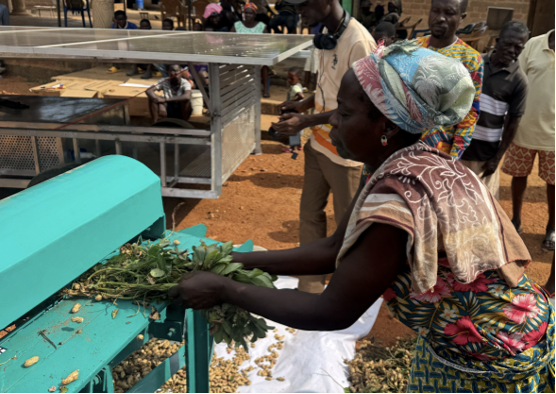
Smallholder farmer testing INFoCAT renewable energy powered groundnut pod plucker in Gomoa (Central Region, Ghana). Photo by UNU INRA.
Putting care at the centre of clean energy transitions
14 October 2026
Clean energy transitions are often discussed in terms of technology, finance and climate targets. But what changes when we put care at the centre?
Across many low- and middle-income countries, women and girls carry a disproportionate share of unpaid care and domestic work. Cooking, collecting fuel and water, caring for others, processing food, and sustaining household livelihoods are all closely tied to energy access. When energy is unreliable, costly, or difficult to obtain, these tasks take longer, demand more physical effort, and leave less time for rest, learning, paid work, or public participation.
Clean energy technologies can ease these burdens. Solar irrigation, renewable-powered agro-processing equipment, decentralised energy systems, and cleaner cooking solutions can reduce the time and physical strain associated with essential work. Yet saving time is not the same as transforming gender relations.
A recent webinar brought together researchers and practitioners to examine how clean energy can do more than expand access to power: it can reduce drudgery, reshape unpaid care work, and open up new opportunities for women.
The discussion drew on the report Clean Energy Transitions: A Care Economy Lens, which brings together evidence from West Africa, Vietnam, Burkina Faso, Uganda, and Kenya. Its central finding is that transitions become genuinely transformative only when they address unequal power relations, access to finance, control over assets and income, and the unequal distribution of care.
What the webinar highlighted
1. Energy poverty translates directly into time poverty
Evidence from rural contexts shows that energy systems are not gender neutral. Women frequently sit at the intersection of energy poverty, agricultural labour, and unpaid care. Manual irrigation, unreliable energy, and the need to collect water or fuel extend their working days and increase physical strain.
Solar irrigation and similar labour-saving tools can reduce this burden, but awareness alone does not drive uptake. Women also need affordable finance, particularly where they lack collateral, asset ownership, or access to suitable credit.
2. Time saved must translate into agency, not just more work
Clean energy can free up time, but wider gender norms determine who benefits. Time saved may simply be absorbed into more productive or unpaid work. Energy access therefore matters, but agency determines whether time savings improve rights and wellbeing. Programmes need to ask who owns and controls the technology, who decides how income is used, who benefits from greater productivity, and whether care is shared more fairly.
3. Women must be involved in designing and owning clean technologies
Women farmers and processors often complete highly labour-intensive tasks manually, from irrigating fields to processing cassava, grains, and groundnuts. Renewable-powered technologies such as solar dryers, grain winnowers, and cassava processing equipment can significantly reduce this labour. To be effective, however, technologies must be designed around women’s lived realities, including affordability, accessibility, ease of use, and proximity.
Women are too often involved only as end users rather than as designers, innovators, and owners. Supporting their participation in clean technology requires access to capital, green finance literacy, mentoring, and networks connecting entrepreneurs, policymakers, researchers, and the private sector. It also means involving women early enough for their needs to shape the technology itself.
4. A gender-just transition needs an enabling ecosystem
Collateral-free credit, pay-as-you-go models, grants, accessible energy hubs, and capacity strengthening can help women benefit from clean technologies. Policies also need care indicators and better time-use data, so success is measured through changes in workload, wellbeing, agency, and opportunity – not simply the number of technologies deployed.
Why care must be central to clean energy policy
The webinar’s message was clear: a just energy transition cannot be judged only by megawatts generated or technologies deployed. It must also be judged by whether it reduces everyday burdens, expands women’s choices, and supports a fairer distribution of care. The 3Rs framework offers a practical guide: recognise unpaid care as real and valuable work; reduce its time and physical burden; and redistribute responsibility more fairly between women and men, households, communities, and public services.
Read the report
To explore the evidence and practical recommendations in more depth, read Clean Energy Transitions: A Care Economy Lens. The report shows why care must be built into the design, financing, and evaluation of clean energy transitions if they are to deliver meaningful gains in equality and wellbeing.
blog
Theme
care economy; just transitions
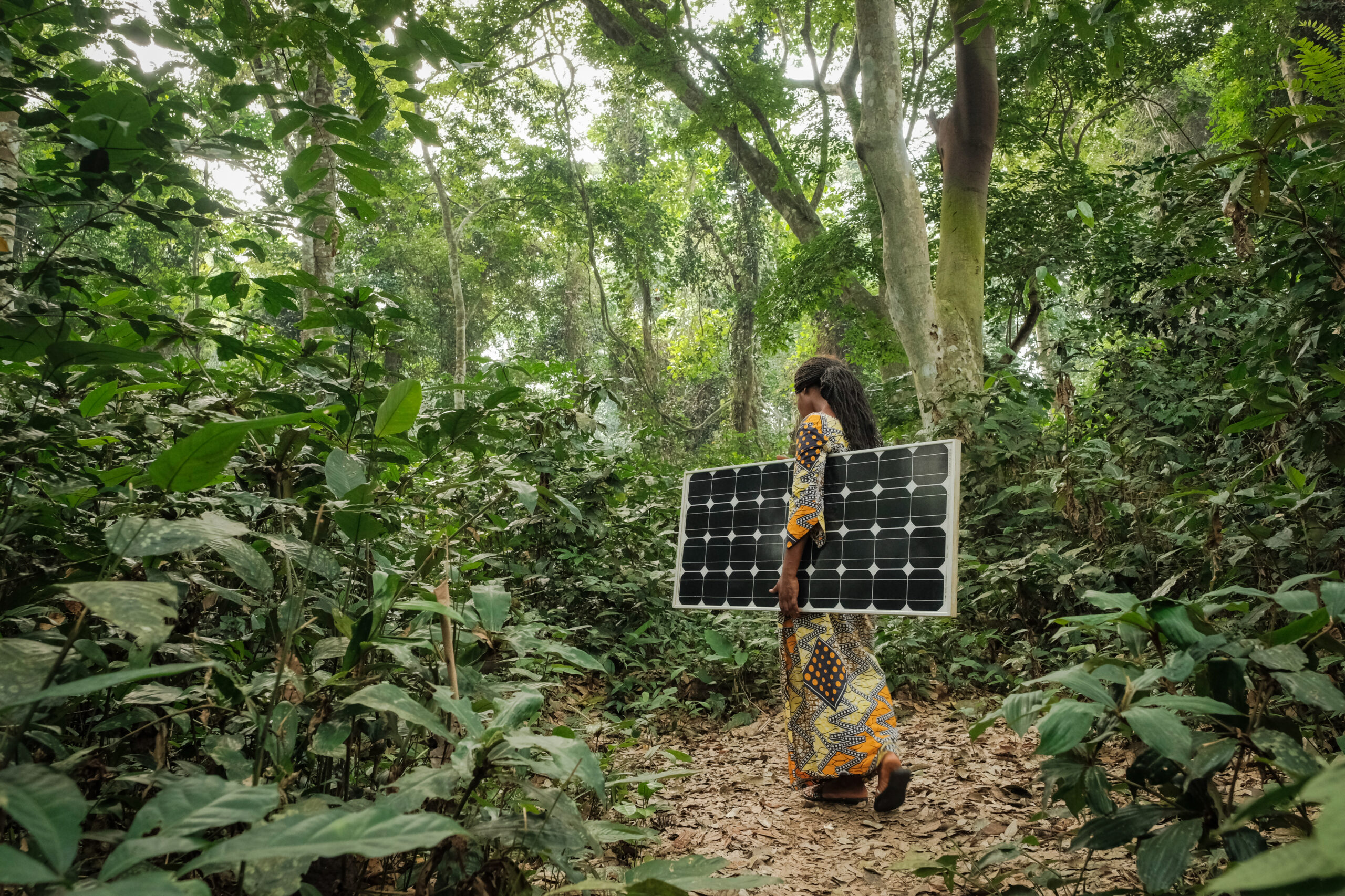
Woman carrying a solar pannel near Yangambi, DRC. Photo by Axel Fassio/CIFOR via Flickr under licence CC BY-NC-ND 2.0. https://flic.kr/p/27NYoQe
Gender-Responsive Renewable Energy for Empowerment and Inclusive Energy Transitions
Tuesday 10 November 2026
This side event, hosted by the International Centre for Integrated Mountain Development (ICIMOD) as part of COP31, will explore how gender-responsive renewable energy can strengthen women’s livelihoods, agency and economic opportunities, drawing on field experiences from regional and global evidence, policy and financing perspectives. This event is in-person only, and open to anyone attending the […]
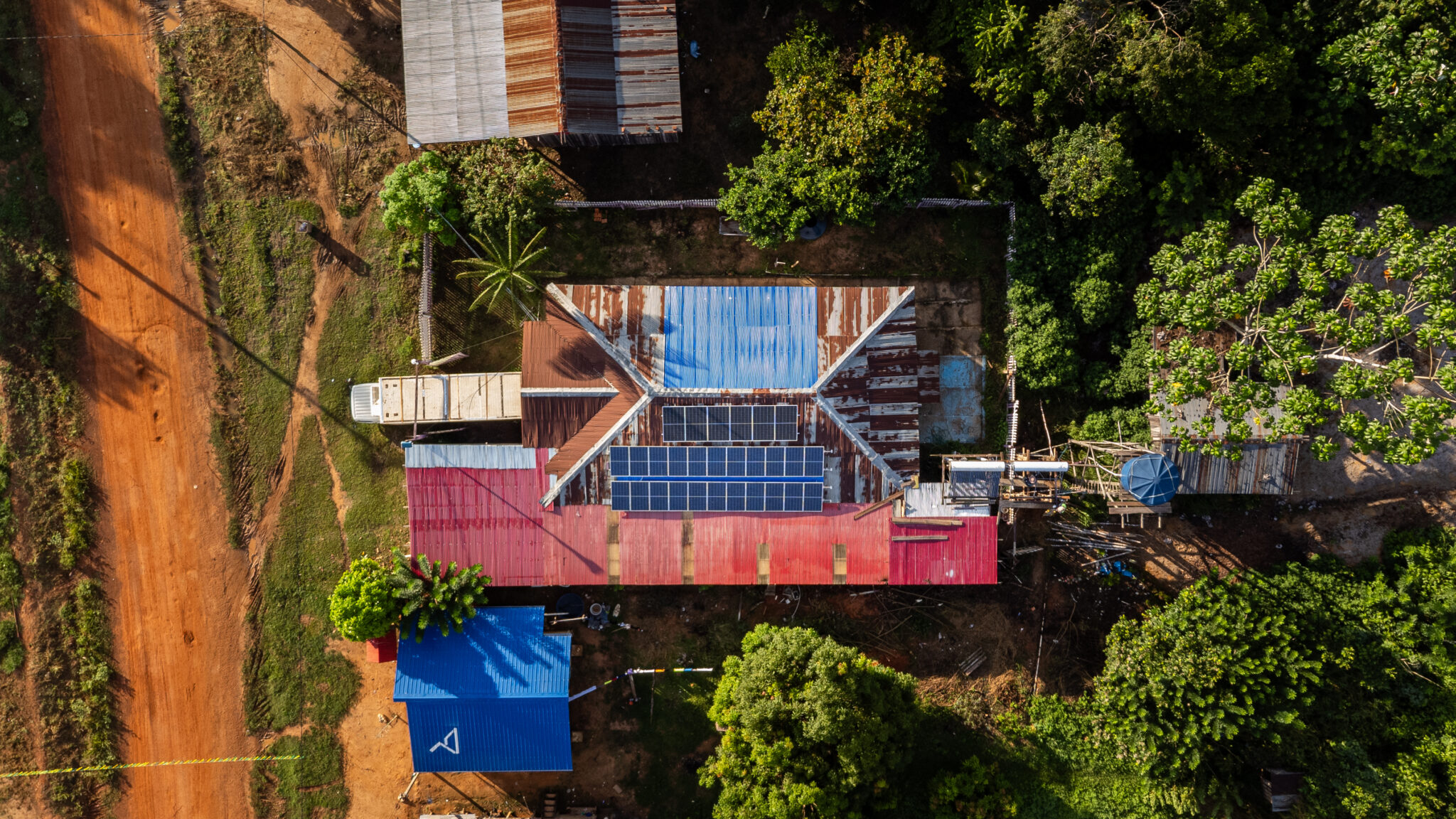
Solar panels, Bolivia
Inclusive and Clean Energy for SMEs in Rural Bolivia
7 October 2026
Bolivia has achieved high rates of electricity access, yet rural and semi-rural producers still face major barriers to securing reliable, affordable energy for productive use. Small- and medium-sized enterprises (SMEs) in the agrifood sector play a central role in ensuring national food security and creating employment. However, they remain highly dependent on fossil-fuel-powered pumps with […]
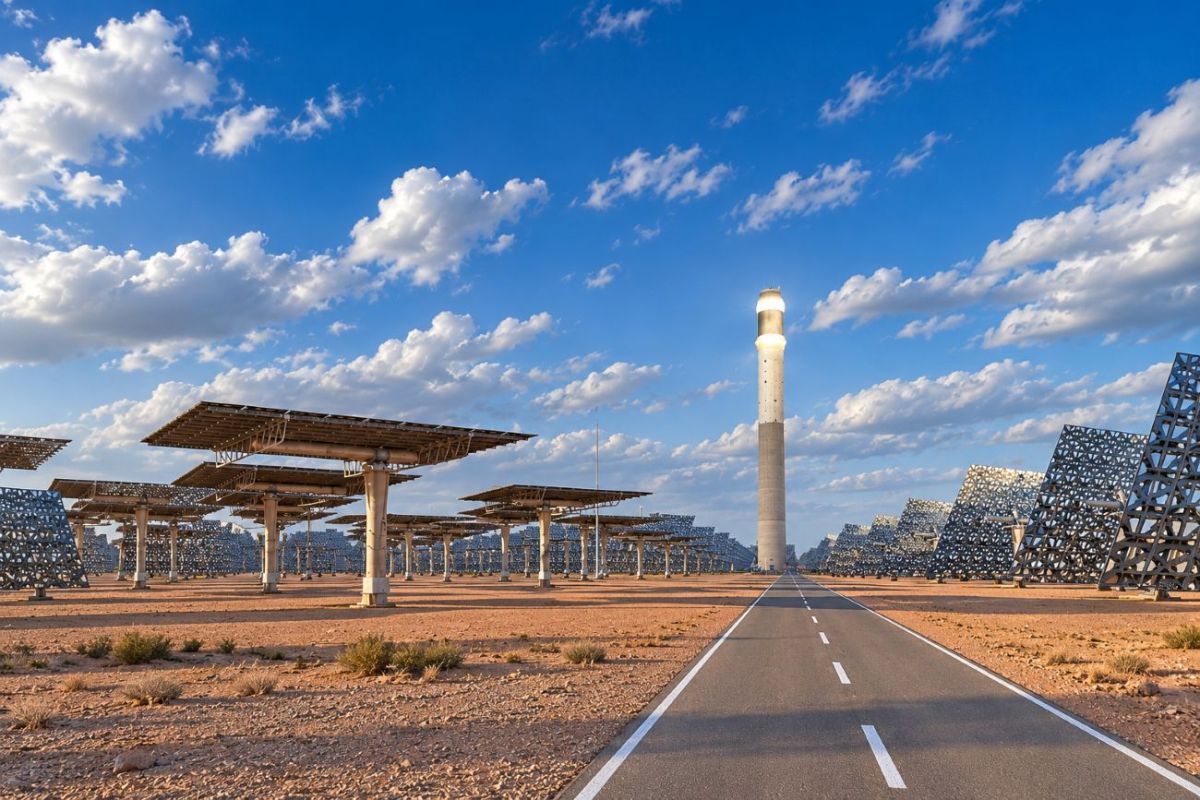
Concentrated Solar Pannels Farm, Noor III in Ouarzazate, Morocco, by Khalid Ghozlani, IDRC
Beyond electricity access: Making Mission 300 sustainable through productive use
3 November 2026
Over 560 million people in sub-Saharan Africa still live without electricity. To address this challenge, the World Bank, the African Development Bank and other partners recently launched Mission 300, an ambitious USD$54 billion (~CAD75 billion) initiative to connect 300 million people in sub-Sahara Africa to electricity by 2030. But for Mission 300 to succeed, a […]