

Catalytic climate finance: A global learning hub
The Catalytic Climate Finance Facility (CC Facility) accelerates the implementation of high-impact, ready-to-scale financial structures through a suite of services that include grant funding, technical support, and a market-building learning hub.
The CC Facility fills a market gap and reduces market fragmentation to mobilise private capital for climate action in developing economies. It is a partnership between Convergence and Climate Policy Initiative to bring a holistic solution in a fragmented market to accelerate the implementation of high-impact blended finance vehicles catalysing private capital to close the climate financing gap.
The main purpose of the Learning Hub is to generate new evidence and highlight existing evidence on best practices that can contribute to accelerate the implementation of financial vehicles, mobilise private capital, and achieve socioeconomic and environmental impacts. The core focus will be to mainstream and scale climate finance and support sustainable development that fosters a just energy transition, with a cross-cutting gender and local capacity development lens. Knowledge will be collected and shared both within the CC Facility and the wider climate finance ecosystem. A key component of the Learning Hub will be to build long term partnerships with global southern-based research organisations to develop new evidence around implementation and effectiveness of blended finance solutions.
The CC Facility will work in all OECD-DAC Official Development Assistance eligible countries.
Project outputs
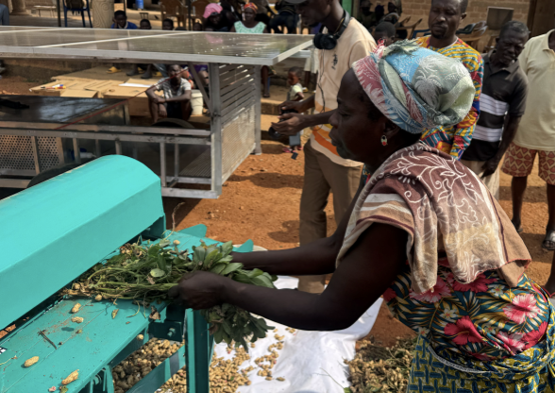
Webinar: Clean Energy Transitions: A care economy lens
Wednesday 16 September 2026
Clean energy transitions: what changes when we put care at the centre? Join us for an engaging webinar exploring how clean energy transitions can do more than expand access to power: they can also reduce drudgery, shift how unpaid care work is recognised and shared, and open up new opportunities for women and young people in […]
Smallholder farmer testing INFoCAT renewable energy powered groundnut pod plucker in Gomoa (Central Region, Ghana). Photo by UNU INRA.
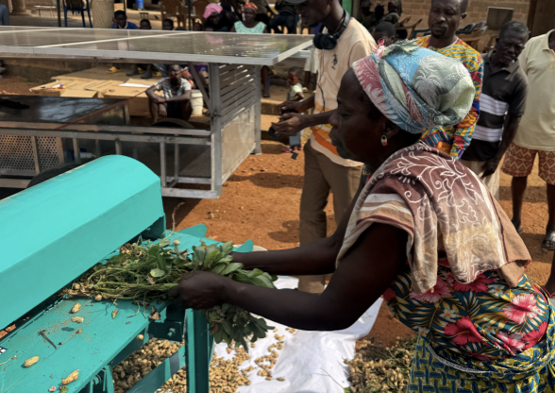
Clean Energy Transitions: A Care Economy Lens
20 April 2026
How can clean energy transitions reduce energy poverty while also addressing the unequal burden of unpaid care work? This is an increasingly urgent question as the global shift to clean energy reshapes not only energy systems, but everyday life within households. Across many low- and middle-income countries, women and girls continue to shoulder a disproportionate […]
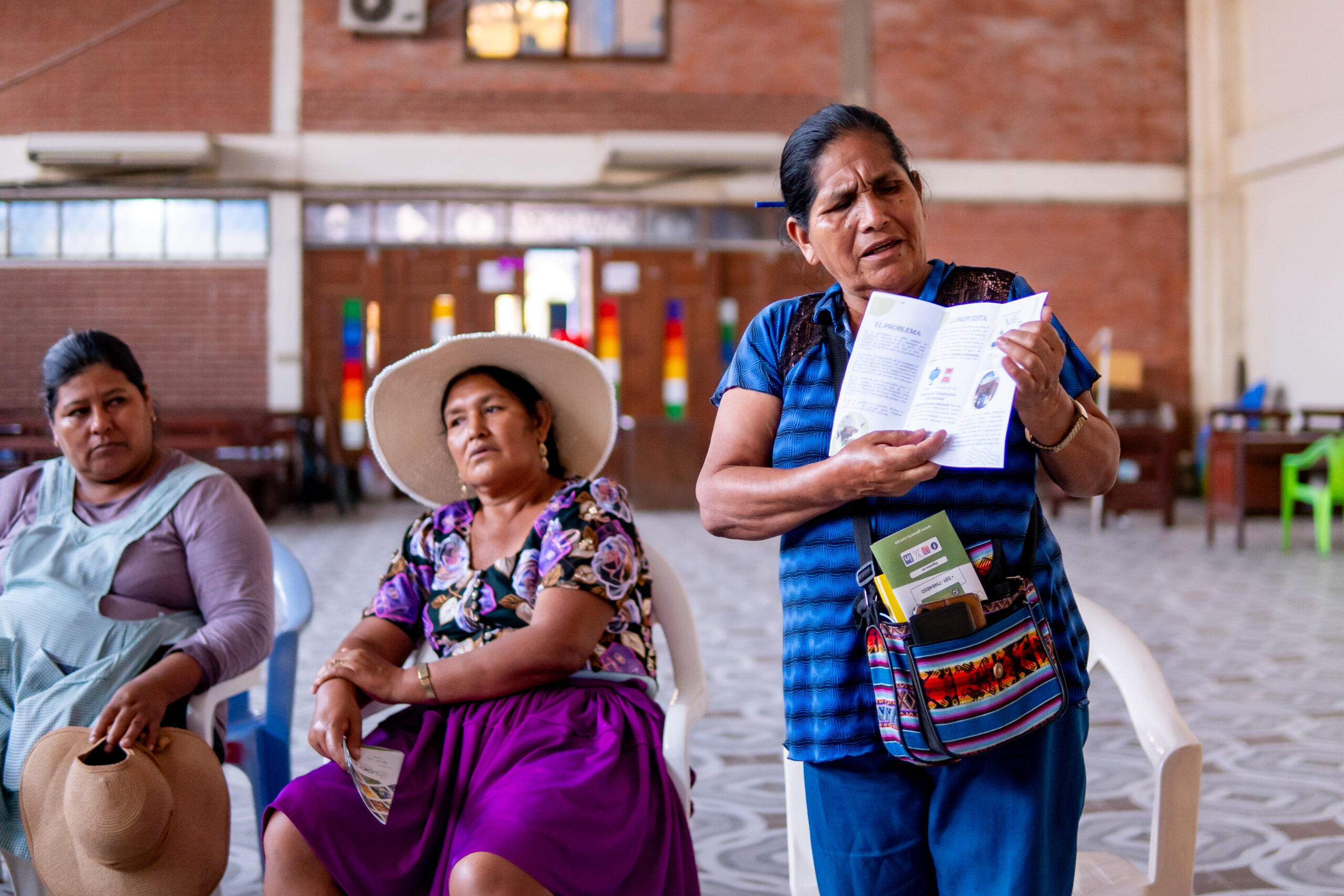
Decentralised renewable energy for rural SMEs in Bolivia: benefits, opportunities and challenges for women
8 July 2026
Bolivia is facing an energy crisis marked by shortages of diesel and petrol, and by high energy costs. For small and medium-sized rural family-based enterprises (SMEs), which play a central role in food production and in sustaining rural livelihoods, this situation increases operating costs, affects productive continuity and limits competitiveness, especially in territories with limited […]