

A Just Energy Transition: Localisation, Decent Work, SMMEs and Sustainable Livelihoods
This project takes a ‘clean energy supply’ approach to contribute new knowledge on how public policy can foster decent work and sustainable livelihoods for workers, particularly women and youth engaged in micro, small and medium enterprises, clean energy generation and associated value chains.
It intersects strongly with issues of access to clean energy to foster its use among micro, small and medium enterprises, with the aim of advancing concrete policy change.
The project will analyse clean energy value chains and their relationships with the rest of the economy. It will trace consumption and production to the practices, history and relations that are reproduced within the clean energy value chains by analysing them at different levels, including agents and agencies, structures, processes, relations, and the cultural and contextual factors.
Using the evidence generated, the project is expected to inform public policy debates and outcomes on clean energy transition, thereby giving greater clarity as to what is needed to ensure a just transition pathway. It will empower stakeholders and build advocacy support by localising clean energy value chains.
Find out more about the project here.
project
Location
Ghana, Kenya, South Africa,
Project outputs
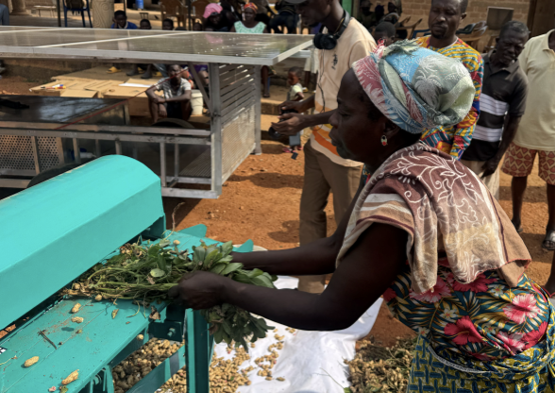
Smallholder farmer testing INFoCAT renewable energy powered groundnut pod plucker in Gomoa (Central Region, Ghana). Photo by UNU INRA.
Webinar: Clean Energy Transitions: A care economy lens
Wednesday 16 September 2026
Clean energy transitions: what changes when we put care at the centre? Join us for an engaging webinar exploring how clean energy transitions can do more than expand access to power: they can also reduce drudgery, shift how unpaid care work is recognised and shared, and open up new opportunities for women and young people in […]
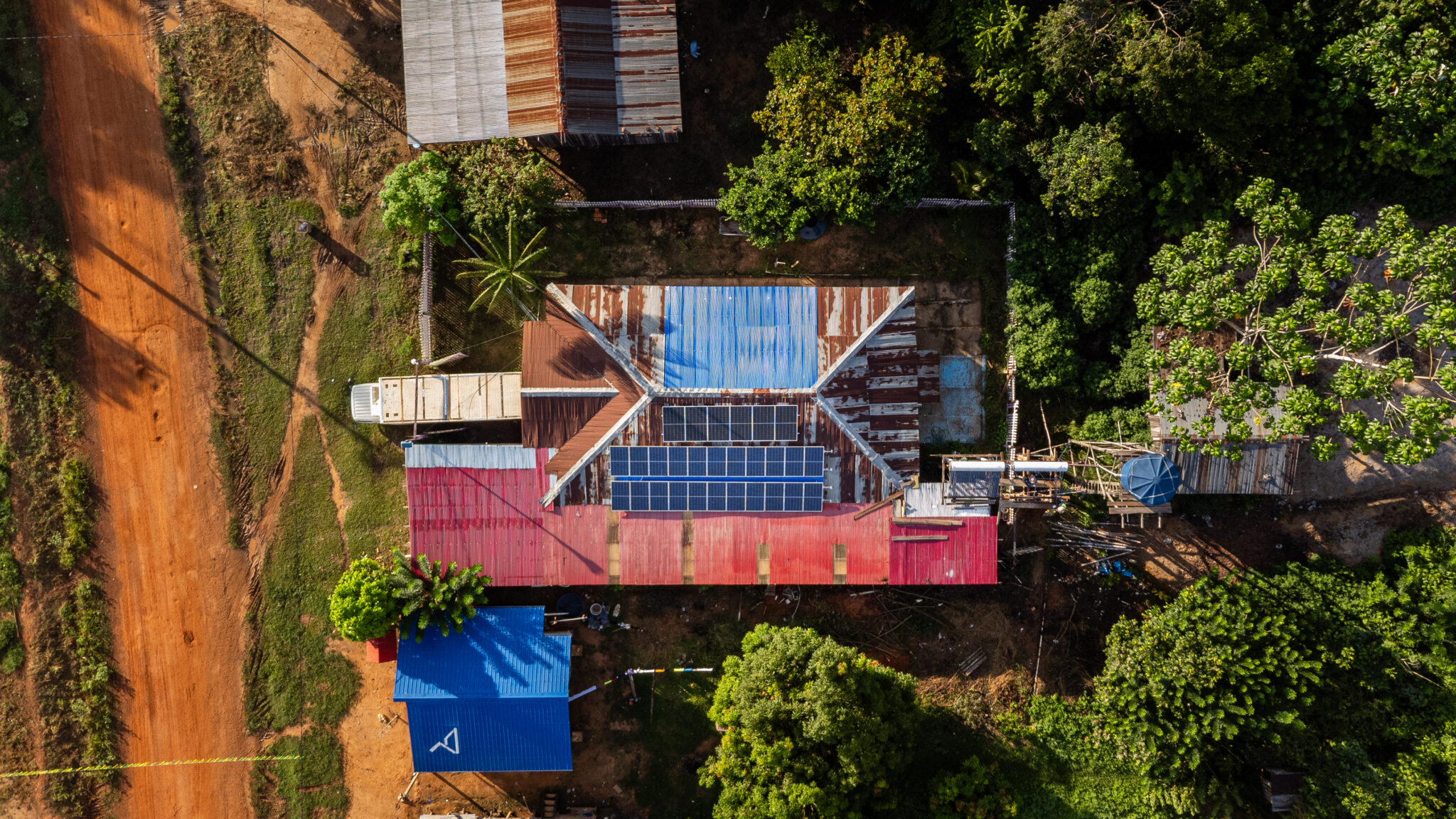
Solar panels, Bolivia
Inclusive and Clean Energy for SMEs in Rural Bolivia
7 October 2026
Bolivia has achieved high rates of electricity access, yet rural and semi-rural producers still face major barriers to securing reliable, affordable energy for productive use. Small- and medium-sized enterprises (SMEs) in the agrifood sector play a central role in ensuring national food security and creating employment. However, they remain highly dependent on fossil-fuel-powered pumps with […]
Smallholder farmer testing INFoCAT renewable energy powered groundnut pod plucker in Gomoa (Central Region, Ghana). Photo by UNU INRA.
Putting care at the centre of clean energy transitions
14 October 2026
Clean energy transitions are often discussed in terms of technology, finance and climate targets. But what changes when we put care at the centre? Across many low- and middle-income countries, women and girls carry a disproportionate share of unpaid care and domestic work. Cooking, collecting fuel and water, caring for others, processing food, and sustaining […]