
Leading the Charge: Women in Clean Energy Across West Africa
2 December 2024
The Economic Community of West African States (ECOWAS) Sustainable Energy Forum (ESEF) 2024, held in Abidjan, Côte d’Ivoire, featured a pivotal session on “Women Entrepreneurs in the Clean Energy Sector: Challenges and Opportunities.” This session provided an invaluable platform to discuss gender inclusivity in energy transitions, highlight innovative projects, and drive momentum for policies fostering gender equity.
A Just Energy Transition in ECOWAS
The ECOWAS region faces pressing energy challenges, with only 57% of its 420 million people having access to electricity and 20% to clean cooking fuels according to the ECOWAS Directorate of Energy and Mines (DEM). Against this backdrop, ESEF 2024 focused on advancing sustainable energy policies, with gender equity being central to achieving these goals.
The ECOWAS Policy for Gender Mainstreaming in Energy Access (2017) and directives such as the Gender Impact Assessment in Energy Projects have laid a foundation for integrating women into the energy transition (ESEF-2024-Concept-Note). However, systemic challenges persist, necessitating platforms like ESEF to spotlight transformative solutions.
WOCEWA: Empowering Women in Clean Energy
The Women and Clean Energy in West Africa (WOCEWA) project, initiated in February 2024, was highlighted during ESEF as a vital initiative under the Centre for Energy for Development: A Call for Action Initiative(CEDCA). Aligned with the ECOWAS Policy for Gender Mainstreaming in Energy Access, WOCEWA collaborates with energy-sector small and medium enterprises (SMEs) to empower women and address gender-specific challenges within their operations.
Key Components of WOCEWA:
- Empowering Women through SMEs: WOCEWA works with SMEs to position them as vehicles for gender empowerment, actively dismantling barriers that limit women’s participation in clean energy ventures.
- Scholarships and Green Jobs Programme: To foster a new generation of female leaders in energy, WOCEWA offers scholarships and internships to young women pursuing master’s degrees in energy-related fields. This initiative promotes women’s representation in science, technology, engineering, and mathematics (STEM), enhancing their employment prospects in the energy sector.
- Communication for Gender Mainstreaming: The project develops communication materials to integrate gender considerations into the clean energy sector’s messaging and policies, ensuring inclusivity becomes a foundational element of energy transitions.
WOCEWA’s mission embodies the transformative potential of gender-inclusive energy strategies, equipping women with the tools, skills, and opportunities needed to excel in renewable energy
- Brunelle Padonou, who emphasised gender equity in clean energy planning.
- Bassaran Diaby, celebrated for her advocacy in renewable energy through the Association of Professionals in Renewable Energy of Côte d’Ivoire (APERCI).
- Laetitia Zoungrana, whose research in bioenergy underlined the importance of decentralised solutions for rural communities.
Their contributions exemplified the breadth of female expertise in West Africa’s energy landscape.
Challenges Women Face in Energy Access and Entrepreneurship
Bipasha Barua, CEDCA’s Gender Equality and Inclusion Adviser, provides essential insights into systemic barriers women face in clean energy transitions:
- Access to Technology and Skills: Women often lack opportunities to acquire new technologies and skills due to entrenched gender roles and historical inequities.
- Intra-Household Hierarchies: Decision-making in many households sidelines women, limiting their influence on resource allocation for clean energy technologies(ESEF-2024-Concept-Note)
- Limited Representation: Women’s voices remain underrepresented in policymaking and leadership roles within the energy sector (WOCEWA).
Bipasha’s assertion that “energy is power” reinforces the urgency to dismantle gender hierarchies and integrate gender-sensitive approaches in energy policies and projects. Her work with CEDCA aligns perfectly with WOCEWA’s mission, emphasising targeted education, inclusive policies, and proactive measures to ensure equitable access.
Opportunities for Female Entrepreneurs
Despite challenges, the clean energy sector offers immense potential for women entrepreneurs:
- Innovation in Renewable Energy: From solar power to bioenergy, clean energy offers fertile ground for women entrepreneurs to innovate and lead.
- Policy Support: Frameworks like the ECOWAS Renewable Energy Policy aim to facilitate private-sector investments, creating an enabling environment for women.
- Networking and Knowledge Sharing: Platforms like ESEF encourage collaboration among policymakers, industry leaders, and female entrepreneurs to drive scalable solutions(WOCEWA).
A Path Forward
ESEF 2024 illuminated the indispensable role of women in achieving ECOWAS’s sustainable energy targets. Initiatives like WOCEWA and insights from experts like Bipasha Barua underscore the transformative potential of a gender-inclusive approach to energy transitions.
CEDCA remains committed to championing these efforts, ensuring that women across West Africa not only participate in but lead the region’s clean energy revolution.
blog
Webinar: Clean Energy Transitions: A care economy lens
Wednesday 16 September 2026
Clean energy transitions: what changes when we put care at the centre? Join us for an engaging webinar exploring how clean energy transitions can do more than expand access to power: they can also reduce drudgery, shift how unpaid care work is recognised and shared, and open up new opportunities for women and young people in […]
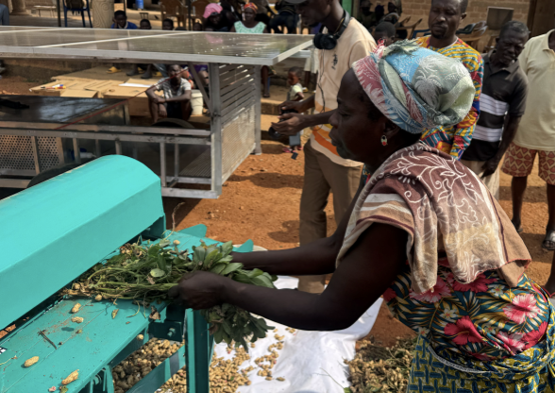
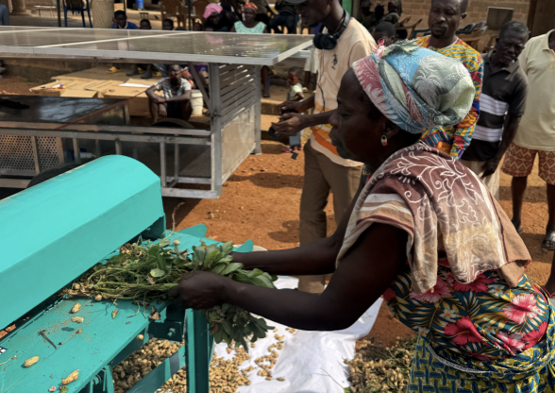
Smallholder farmer testing INFoCAT renewable energy powered groundnut pod plucker in Gomoa (Central Region, Ghana). Photo by UNU INRA.
Clean Energy Transitions: A Care Economy Lens
20 April 2026
How can clean energy transitions reduce energy poverty while also addressing the unequal burden of unpaid care work? This is an increasingly urgent question as the global shift to clean energy reshapes not only energy systems, but everyday life within households. Across many low- and middle-income countries, women and girls continue to shoulder a disproportionate […]
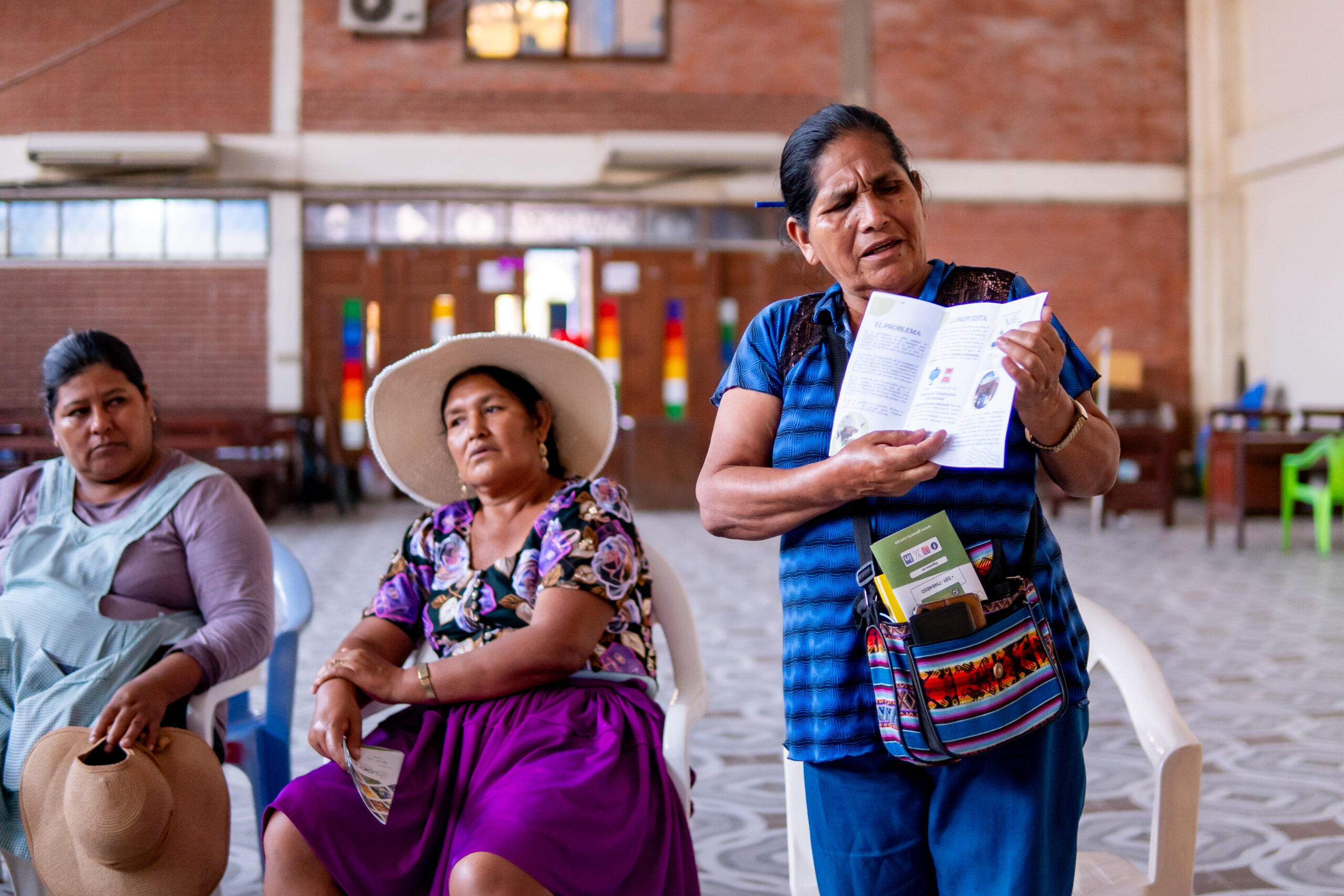
Decentralised renewable energy for rural SMEs in Bolivia: benefits, opportunities and challenges for women
8 July 2026
Bolivia is facing an energy crisis marked by shortages of diesel and petrol, and by high energy costs. For small and medium-sized rural family-based enterprises (SMEs), which play a central role in food production and in sustaining rural livelihoods, this situation increases operating costs, affects productive continuity and limits competitiveness, especially in territories with limited […]