

Webinar – Transformative capital: The role of blended finance in shaping the trajectories of gender- and climate focused impact funds in Sub-Saharan Africa
We are pleased to share the following event, which is being run by the CEDCA project Catalytic Climate Finance Facility (CC Facility) Learning Hub, a collaboration between the Convergence and Climate Policy Initiative.
The virtual event will take place on Tuesday 3 March 2026 from 13:00-14:00PM GMT (8:00AM-9:00AM EST). Full details available here.
How can blended finance reshape the future of gender–climate funds in Sub-Saharan Africa?
This webinar explores key findings from a new report by I&P Ecosystems, in partnership with the CC Facility Learning Hub.
Sub-Saharan Africa requires an estimated $2tn by 2030 to build climate resilience.
The impact of this financing gap is most acute at the intersection of gender and climate. Women constitute around 70% of smallholder farmers across the continent and face heightened climate risks, alongside persistent constraints in accessing climate-resilient technologies, inputs, and markets. Yet, only 3% of climate finance is specifically aimed at enhancing gender equality, despite women and girls bearing a disproportionate share of climate impacts.
When climate shocks occur, women-led households experience deeper disruptions and longer recovery periods. At the same time, these populations play a central role in climate adaptation and the adoption of resilient technologies.
Over the past decade, funds operating at the gender-climate nexus have become a distinctive feature of Africa’s investment landscape. Their trajectories demonstrate that integrating gender equity and climate action into investment strategies is not only feasible but increasingly common.
Blended finance has become a keystone for these funds at the nexus of gender and climate. It plays a dual, transformative role: both existential, by enabling such funds to emerge, and operational, by supporting the deployment of their investment and impact theses.
This 1-hour virtual session will review key findings from the report, followed by a panel discussion with African-led fund managers and investors sharing their experiences using blended finance at the gender-climate nexus.
event
Lead Partner
Convergence & Climate Policy Initiative
Associated Project
Catalytic climate finance: A global learning hub
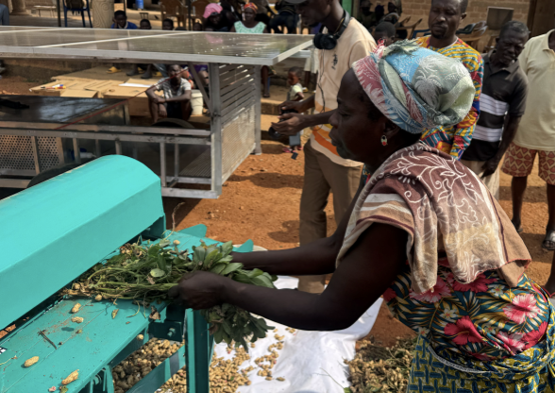
Smallholder farmer testing INFoCAT renewable energy powered groundnut pod plucker in Gomoa (Central Region, Ghana). Photo by UNU INRA.
Webinar: Clean Energy Transitions: A care economy lens
Wednesday 16 September 2026
Clean energy transitions: what changes when we put care at the centre? Join us for an engaging webinar exploring how clean energy transitions can do more than expand access to power: they can also reduce drudgery, shift how unpaid care work is recognised and shared, and open up new opportunities for women and young people in […]
Solar panels, Bolivia
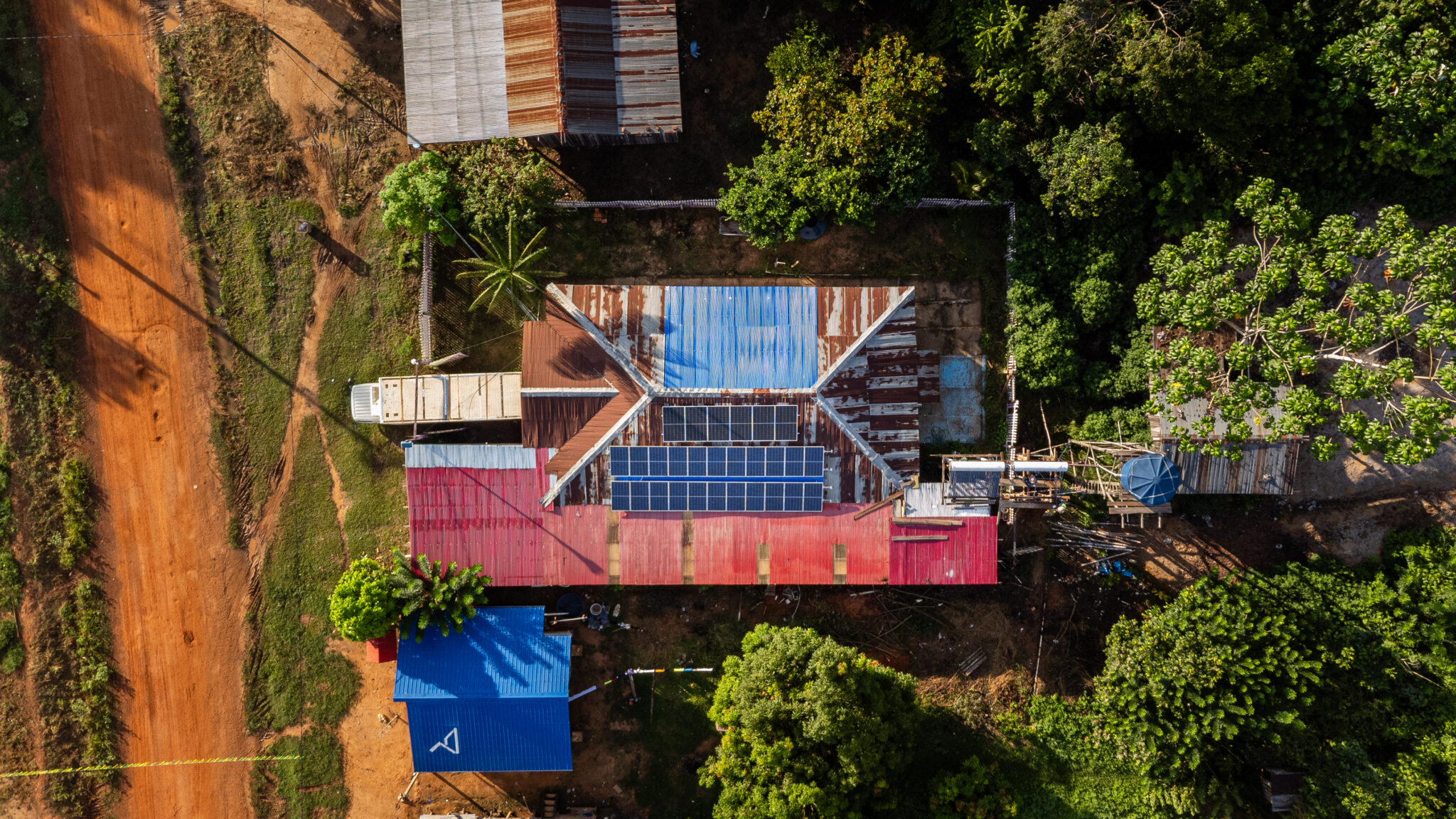
Inclusive and Clean Energy for SMEs in Rural Bolivia
7 October 2026
Bolivia has achieved high rates of electricity access, yet rural and semi-rural producers still face major barriers to securing reliable, affordable energy for productive use. Small- and medium-sized enterprises (SMEs) in the agrifood sector play a central role in ensuring national food security and creating employment. However, they remain highly dependent on fossil-fuel-powered pumps with […]
Smallholder farmer testing INFoCAT renewable energy powered groundnut pod plucker in Gomoa (Central Region, Ghana). Photo by UNU INRA.
Putting care at the centre of clean energy transitions
14 October 2026
Clean energy transitions are often discussed in terms of technology, finance and climate targets. But what changes when we put care at the centre? Across many low- and middle-income countries, women and girls carry a disproportionate share of unpaid care and domestic work. Cooking, collecting fuel and water, caring for others, processing food, and sustaining […]