
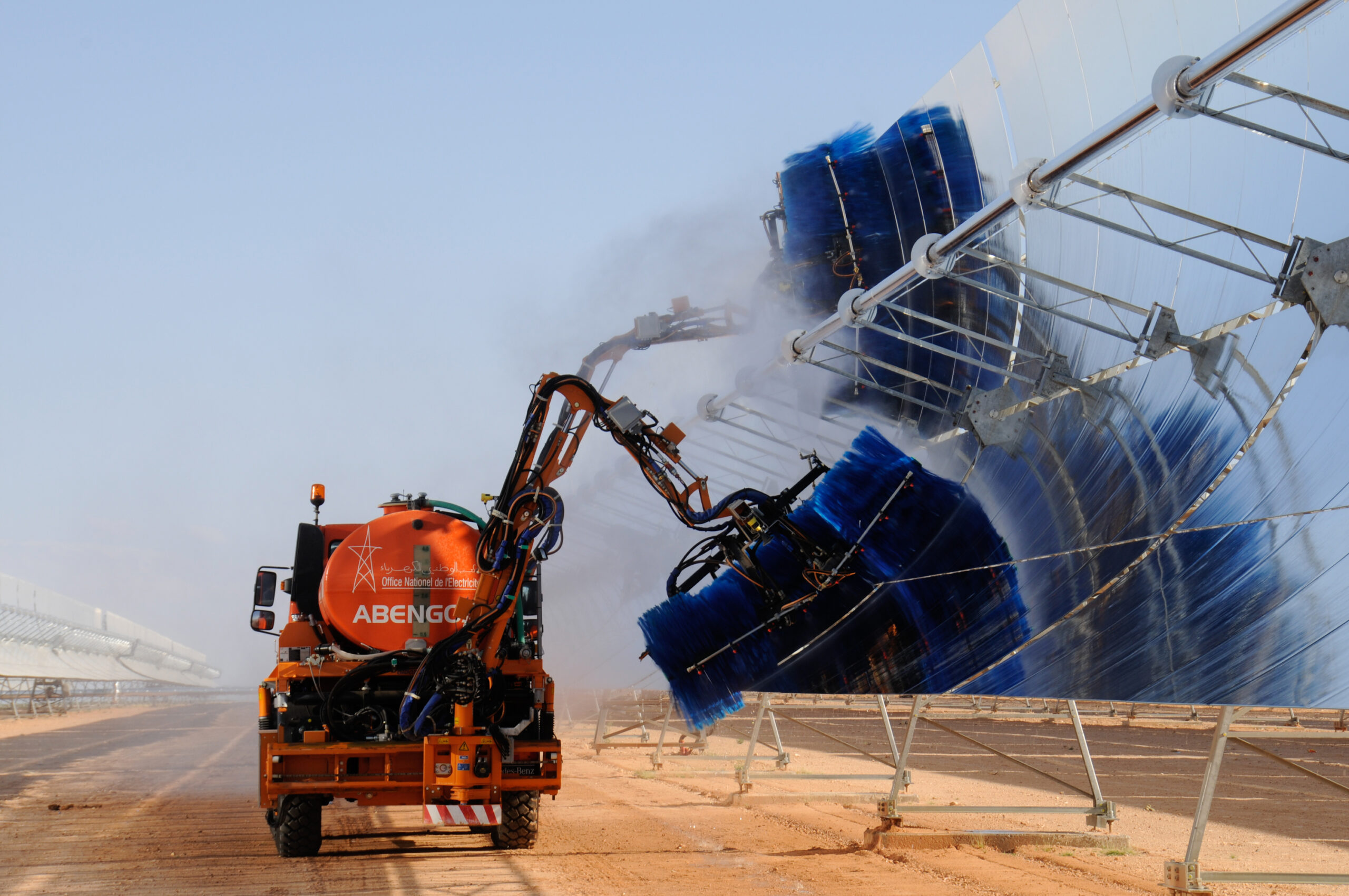
'Solar panels being cleaned' by World Bank Photo Collection via Flickr (CC BY-NC-ND 2.0) https://flic.kr/p/8nQdYa
CEDCA Panel Discussion: Opposition and resistance to clean energy transition
While switching from fossil fuels to clean energy addresses the climate crisis and offers development opportunities, opposition to the transition is rife. The panel will discuss the pitfalls of clean energy transition, and the drivers thereof, and strategies to inform policy and practice.
Watch now
While switching from fossil fuels to clean energy addresses the climate crisis and offers development opportunities, opposition to transition appears to be less well researched and not widely discussed. Who are the opposition to clean energy and why do they oppose it? How can researchers on clean energy transition recognise the objections and position themselves to effectively engage with policymakers?
As part of the Clean Energy for Development Knowledge Translation Support (CEDCA KT) project, IDS are hosting a panel discussion on this question, to support researchers to better understand the pitfalls of clean energy transition, and the drivers thereof, and strategize their approach to inform policy and practice. While the opposition to clean energy transition is a global phenomenon, the discussion here focuses on low- and middle-income countries (LMICs) where most CEDCA researchers work.
You can read the Briefing Paper on Resistance to Clean Energy Transitions in Low- and Middle-Income Countries here.
To find out more about the CEDCA projects, visit www.ce4dev.org.
Please note all times specified are in BST time zones.
Speakers
- Professor Yacob Mulugetta, Professor of Energy and Development Policy, University College London (UCL).
- Dr Wei Shen, Research Fellow, IDS.
- Dr Frangton Chiyemura, Lecturer in International Development, Open University.
Discussants
- Ayesha Bery, Content Manager, Convergence (CEDCA project: Catalytic climate finance: A global learning hub).
- Dr Ferdinand Tornyie, Research Scientist, United Nations University Institute for Natural Resources in Africa (UNU INRA) (CEDCA project: Innovate for Clean Powered Agro Technologies [INFoCAT]).
Moderator
Dr Seife Ayele, Research Fellow, IDS, and CEDCA KT Support Team Member.
How to attend
All are welcome to this event in-person. If you cannot come into the IDS Building then you can register to watch online on Zoom.
Accessibility
The event will take place in the Convening Space which is on the 1st floor of the IDS building. If you need to use the lift then press floor 1A. If you have any accessibility needs for this event please email: [email protected]
Privacy
This lecture will also be streamed on the platform Zoom. View Zoom’s privacy settings.
event
Theme
Clean Energy
When
Thursday 24 October 2024
Time
13:00 - 14:30
Where
IDS Convening Space and online on Zoom
Webinar – Transformative capital: The role of blended finance in shaping the trajectories of gender- and climate focused impact funds in Sub-Saharan Africa
Tuesday 3 March 2026
We are pleased to share the following event, which is being run by the CEDCA project Catalytic Climate Finance Facility (CC Facility) Learning Hub, a collaboration between the Convergence and Climate Policy Initiative. The virtual event will take place on Tuesday 3 March 2026 from 13:00-14:00PM GMT (8:00AM-9:00AM EST). Full details available here. How can […]
Unlocking the Potential of Small and Medium Businesses and Entrepreneurs in the Clean Energy Transition
3 December 2025
This report highlights outcomes and recommendations from the T20 Side Event ‘Unlocking the Potential of Small and Medium Businesses and Entrepreneurs in the Clean Energy Transition’, held in Johannesburg on 17 October 2025. It presents seven recommendations for concrete steps to turn the G20’s green energy principles into practice, with South Africa’s presidency positioned as […]
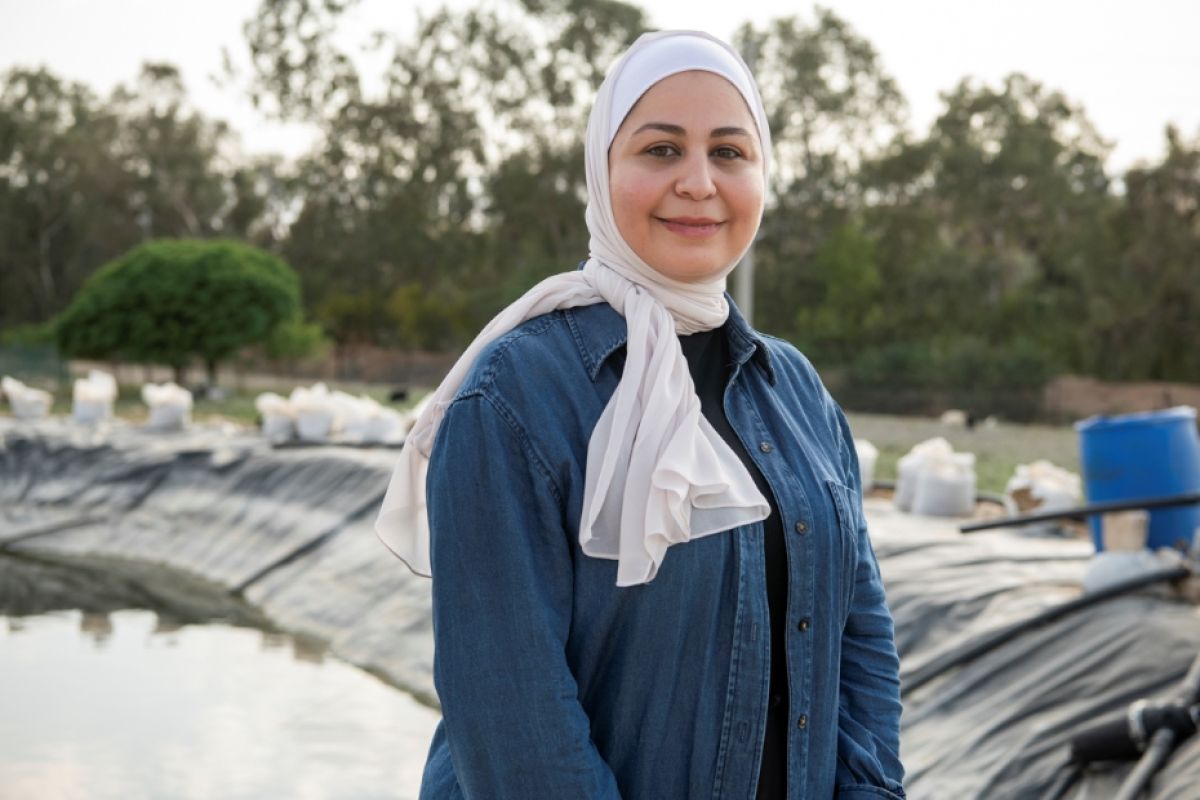
Credit: Nadia Bseiso
Fostering an inclusive energy transition through micro, small and medium-sized enterprises
7 January 2026
Micro, small and medium-sized enterprises (MSMEs) are the main engine of economic growth in the Middle East and North Africa (MENA). The transition to a green economy represents both an environmental necessity and a significant economic opportunity for the region. However, without an intentional focus on gender, this transformation risks reinforcing existing inequalities, rather than […]