

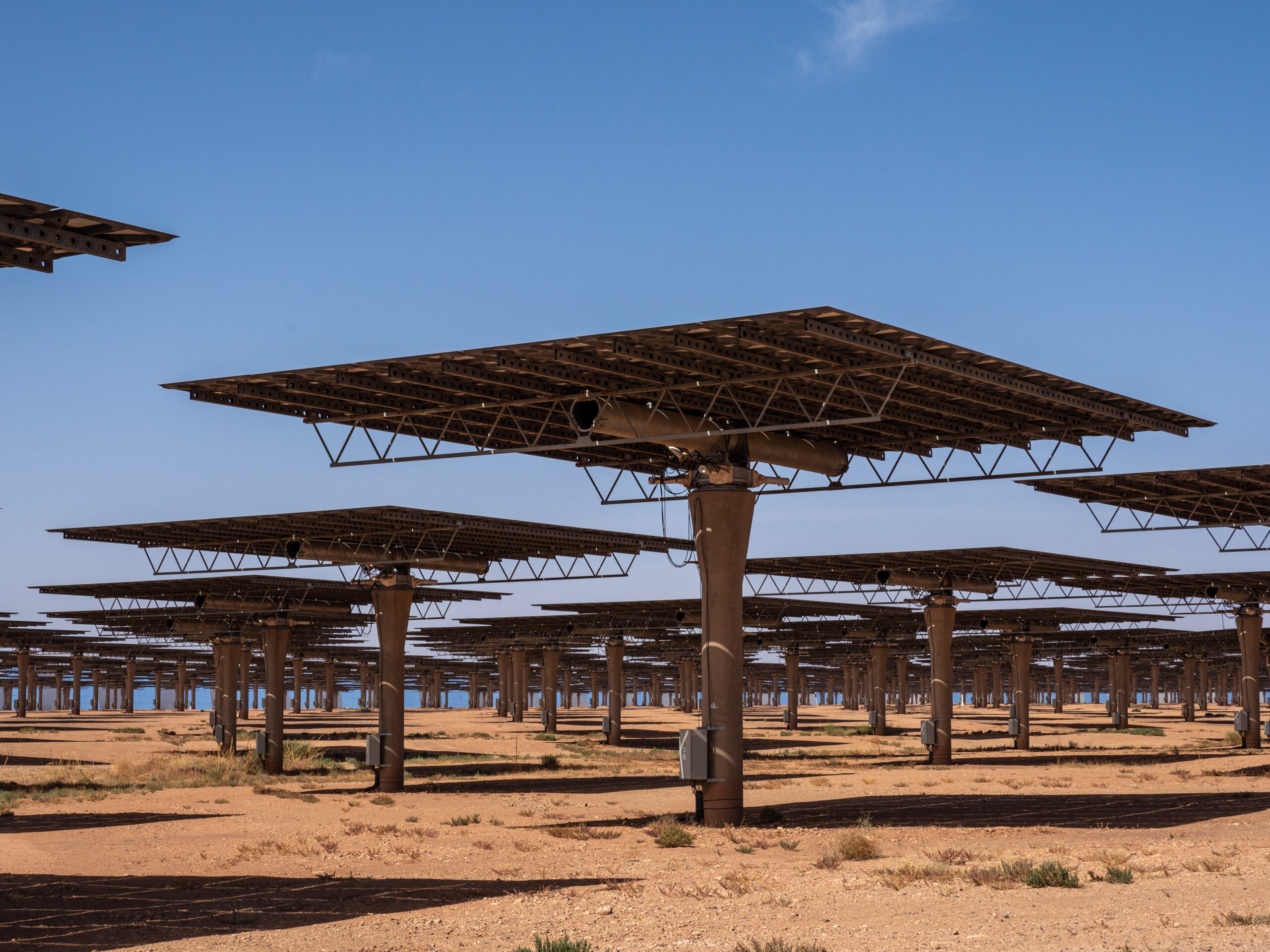
Noor Ouarzazate III Solar Plant, Morocco. Photo by Richard Allaway via Flickr, licenced under CC BY 2.0. https://flic.kr/p/2op7QYQ
Unlocking energy efficiency in North Africa requires inclusive finance for businesses
26 November 2026
New research in Egypt, Morocco and Tunisia is examining why investment in energy efficiency falls short of its potential, and how more inclusive financing can help private-sector firms, particularly small businesses, women and young people, to benefit.
Across the Middle East and North Africa, energy efficiency is widely recognised as a strategic priority. Yet investment continues to fall short of its potential. In Egypt, Morocco and Tunisia, private-sector actors, particularly small and medium-sized enterprises, face persistent barriers to accessing the financing needed to adopt energy-saving technologies.
The project Innovating Financial Mechanisms for Promoting a Clean Energy Transition and Energy Efficiency in the MENA Region is led by Econoler and funded by Canada’s International Development Research Centre (IDRC). Running from 2024 to 2027, it analyses energy efficiency markets in the commercial and industrial private sectors, identifies inclusive financing mechanisms and explores the systemic factors that enhance or constrain women’s and young people’s access to business opportunities in clean energy. It does so through a gender equality, disability and social inclusion lens.
The three countries share strong renewable energy potential alongside growing energy demand driven by urbanisation, industrialisation and population growth. At the same time, their energy systems remain heavily influenced by fossil fuels and face constraints including limited access to finance, regulatory barriers and infrastructure limitations. Micro, small and medium-sized enterprises (MSMEs) play a critical role in economic activity and innovation but often lack the financial and institutional support needed to scale energy efficiency solutions, while persistent socio-economic and gender inequalities further affect access to energy-related opportunities.
Research from project partner the American University of Cairo, published by AUC Business Forward, shows what this looks like in practice. Between 2000 and 2010, industry accounted for around 31 per cent of Egypt’s total final energy consumption, with demand growing at close to 6 per cent a year. After 2011, growth slowed to below 3 per cent. Over the same period the fuel mix shifted: natural gas now meets roughly 44 per cent of industrial demand, oil-based fuels have fallen from more than half of consumption to about a quarter by 2023, and coal has risen from 4 per cent in 2000 to 11 per cent by 2023 following the 2015 subsidy reform.
The analysis finds that many firms are reacting to fuel prices, subsidy changes and supply constraints rather than following a structured efficiency strategy. Switching fuels may ease immediate pressures, but it does little to reduce the energy used per unit of output. Currency depreciation and high import costs have also pushed some producers towards cheaper used equipment, which can embed older, less efficient machinery in operations for years. With international markets tightening carbon regulations, including through the Carbon Border Adjustment Mechanism, firms that do not improve efficiency risk being left behind.
The project is designed to help close this gap. By building the evidence base on market barriers, risks and opportunities, it aims to inform better investment decisions and the design of more inclusive and accessible financing mechanisms, particularly for women- and youth-led enterprises. It also strengthens regional research capacity by mentoring young researchers, supporting knowledge exchange and backing the publication of energy efficiency research. Over time, the research is expected to accelerate the adoption of energy efficiency technologies, leading to cost savings, greater business competitiveness and reduced greenhouse gas emissions.
Find out more: Read the Econoler case study and the AUC Business Forward article Unlocking Energy Efficiency in Egypt’s Industrial Sector, and explore further outputs on the project page.
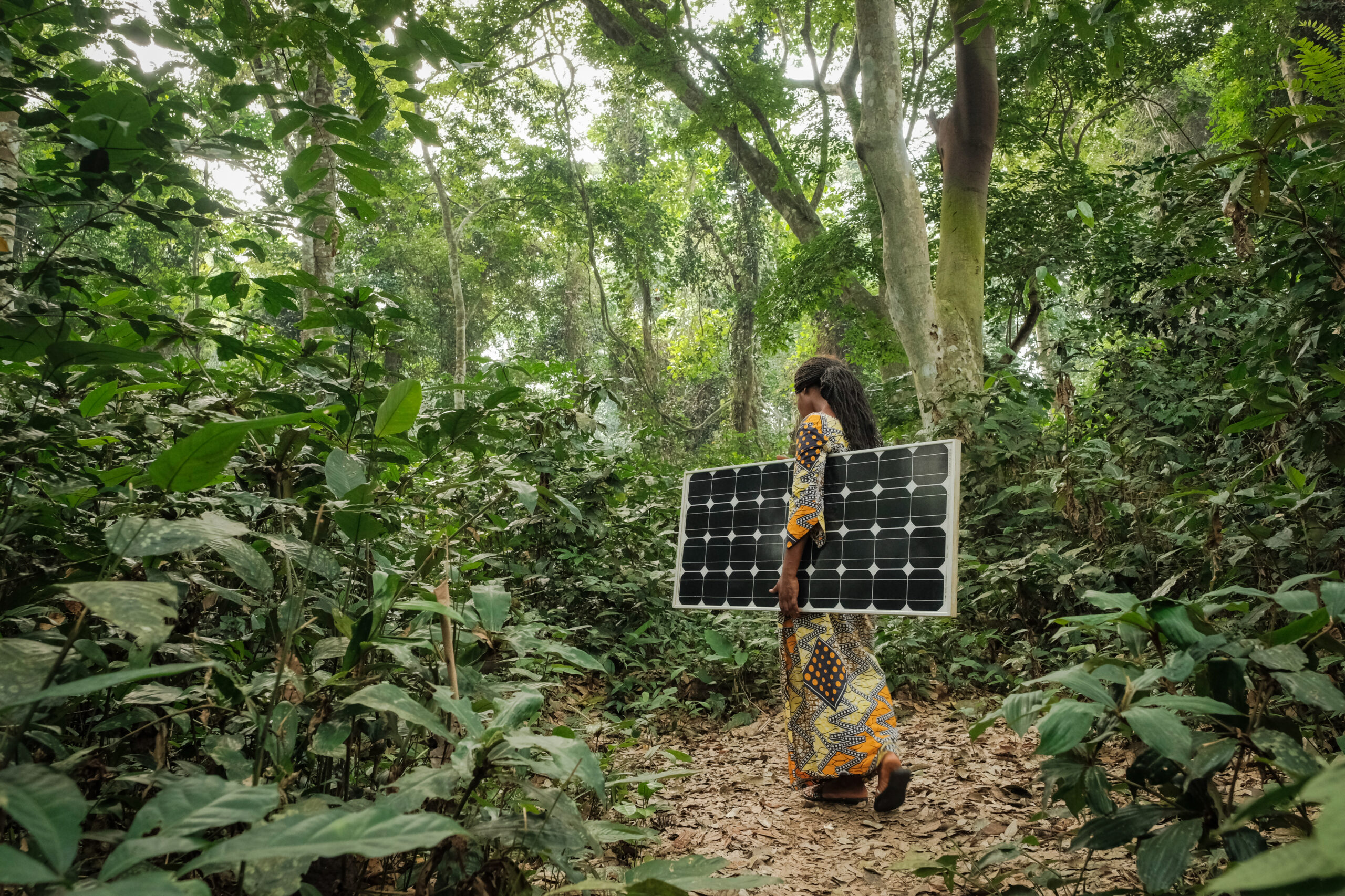
Woman carrying a solar pannel near Yangambi, DRC. Photo by Axel Fassio/CIFOR via Flickr under licence CC BY-NC-ND 2.0. https://flic.kr/p/27NYoQe
Gender-Responsive Renewable Energy for Empowerment and Inclusive Energy Transitions
Tuesday 10 November 2026
This side event, hosted by the International Centre for Integrated Mountain Development (ICIMOD) as part of COP31, will explore how gender-responsive renewable energy can strengthen women’s livelihoods, agency and economic opportunities, drawing on field experiences from regional and global evidence, policy and financing perspectives. This event is in-person only, and open to anyone attending the […]
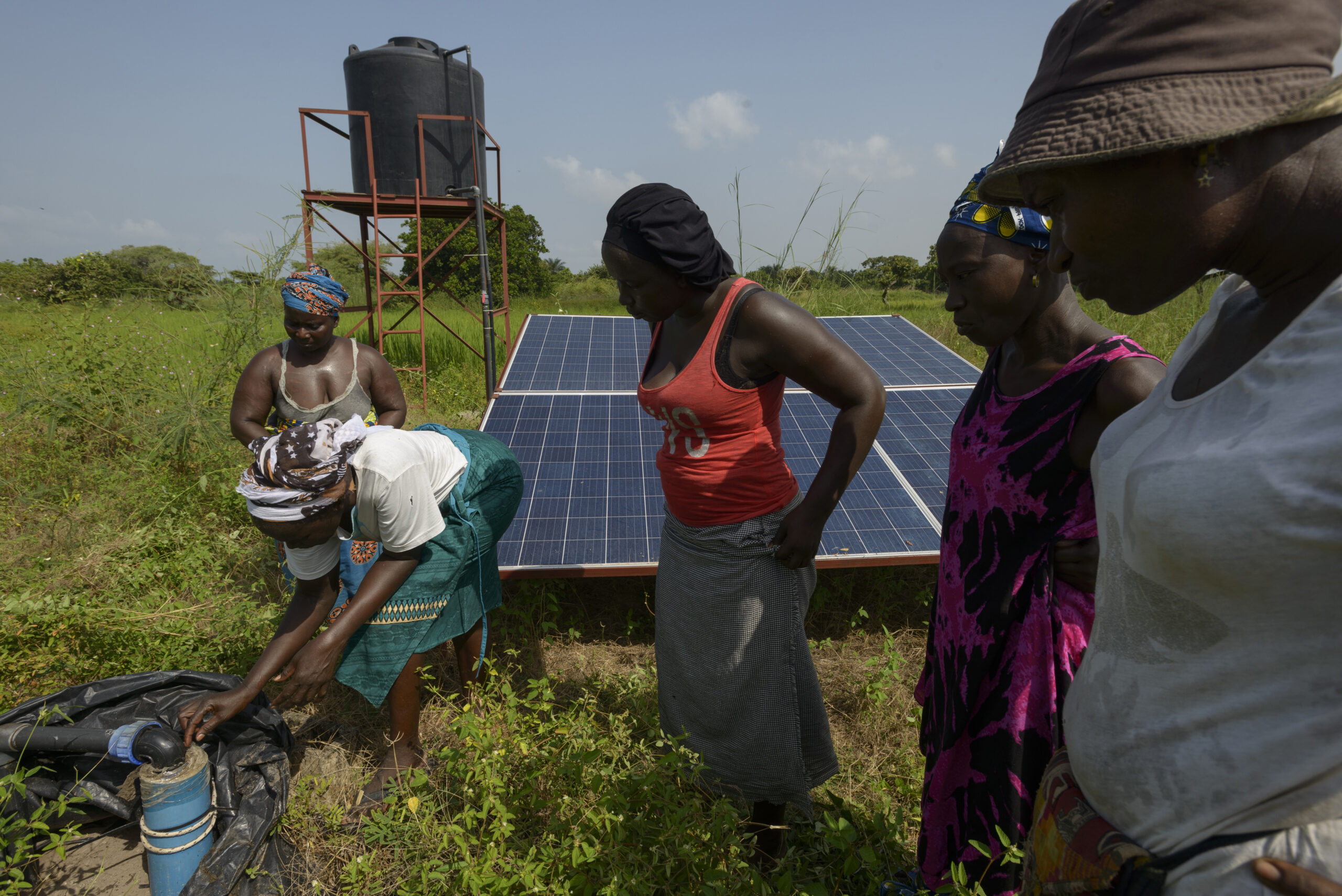
Women working in their fields in GIE Kaout, a women- led agricultural cooperative in Senegal. The group of 32 women grow rice in order to develop the cultivation of other produce such as fruits and vegetables. Their plot is fenced and has a water tower with solar panels to run the pump. Credit: © JB Russell/Panos Pictures
From Clean Energy Transition to Just Energy Futures
18 November 2026
The major scientific and policy focus of the global clean energy transition has thus far been on issues of technological feasibility. Yet evidence from the Clean Energy for Development research initiative suggests that the greatest barriers to inclusive transition are often not technological, but financial, institutional, and social. Drawing on evidence from 12 projects across […]
Women working in their fields in GIE Kaout, a women- led agricultural cooperative in Senegal. The group of 32 women grow rice in order to develop the cultivation of other produce such as fruits and vegetables. Their plot is fenced and has a water tower with solar panels to run the pump. Credit: © JB Russell/Panos Pictures
Beyond COP31: putting people at the heart of the clean energy transition
19 November 2026
As COP31 draws to a close, new evidence from across 27 countries shows that the biggest barriers to an inclusive clean energy transition are often not technological, but financial, institutional and social. As attention shifts from negotiation to delivery, a new research synthesis report ‘From Clean Energy Transition to Just Energy Futures’ offers a practical […]