


PEP Annual Conference 2026 Explores Innovation Systems and Inclusive Development in the Global South
11 June 2026
The Partnership for Economic Policy (PEP) Annual Conference 2026 will take place from 9–12 June in Nairobi, Kenya, bringing together development researchers, policymakers, practitioners, and international experts to discuss pressing economic policy challenges facing the Global South.
This year’s conference, hosted under the theme *“Rethinking the Future of Innovation: What It Takes for Systems to Deliver in the Global South”*, will explore how innovation systems can better respond to intersecting global pressures including climate disruption, economic volatility, demographic change, and technological transformation.
The conference forms part of several international research initiatives, including *Leveraging renewable energy MSMEs for sustainable agriculture in Sub-Saharan Africa and South-East Asia*, a project led by PEP in partnership with Environment for Development (EfD) and supported by the International Development Research Centre (IDRC) through the Clean Energy for Development: A Call to Action (CEDCA) initiative.
This CEDCA-supported project examines the transformative potential of rural renewable energy micro-, small-, and medium-sized enterprises (MSMEs) in modernising agriculture while increasing the participation of women and youth in low-carbon transitions. Operating across Burkina Faso, Kenya, Uganda, and Vietnam, the research explores barriers to adopting renewable energy technologies and opportunities for more inclusive green development pathways.
The conference will include peer review sessions, technical workshops, and a one-day Policy Conference on 12 June focused on the role of innovation systems in shaping development futures across the Global South.
According to PEP, innovation is increasingly becoming “the fault line shaping development futures across the Global South,” particularly in contexts facing overlapping economic, climate, and institutional pressures. Discussions throughout the conference will examine how countries can strengthen institutions, skills systems, and policy delivery mechanisms to ensure innovation translates into inclusive and sustainable development outcomes.
The 2026 Policy Conference will be organised around two thematic segments:
Innovation Beyond Technology: Why Innovation Systems Struggle — and Why It Matters Now
This session will explore why innovation systems often fail to scale in low- and middle-income countries, drawing on Southern-led evidence to examine the institutional, financial, and governance barriers limiting impact.
Innovation-in-Practice Simulation
An interactive policy simulation bringing together researchers, policymakers, and practitioners to work through realistic innovation-policy scenarios reflecting challenges such as limited fiscal space, coordination failures, institutional constraints, and unequal access to evidence.
Alongside the Policy Conference, representatives from 37 research projects across 18 countries in Sub-Saharan Africa and South-East Asia will present findings and participate in technical training and peer learning sessions.
The event will also convene an inception meeting for a new programme on *What Works for Young Women and Marginalized Youth: Review of Inclusive Youth Employment Policies & Interventions in Africa*, in partnership with the Mastercard Foundation.
PEP will livestream the Policy Conference on its YouTube channel from 9 a.m. (UTC+3) on 12 June, allowing wider participation in discussions on innovation, sustainability, and inclusive development.
Find out more about the conference and full programme here.
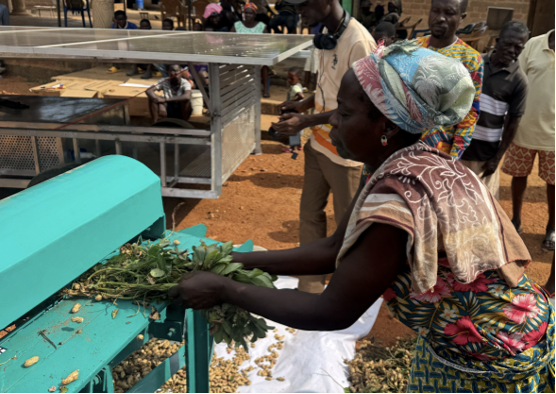
Smallholder farmer testing INFoCAT renewable energy powered groundnut pod plucker in Gomoa (Central Region, Ghana). Photo by UNU INRA.
Webinar: Clean Energy Transitions: A care economy lens
Wednesday 16 September 2026
Clean energy transitions: what changes when we put care at the centre? Join us for an engaging webinar exploring how clean energy transitions can do more than expand access to power: they can also reduce drudgery, shift how unpaid care work is recognised and shared, and open up new opportunities for women and young people in […]
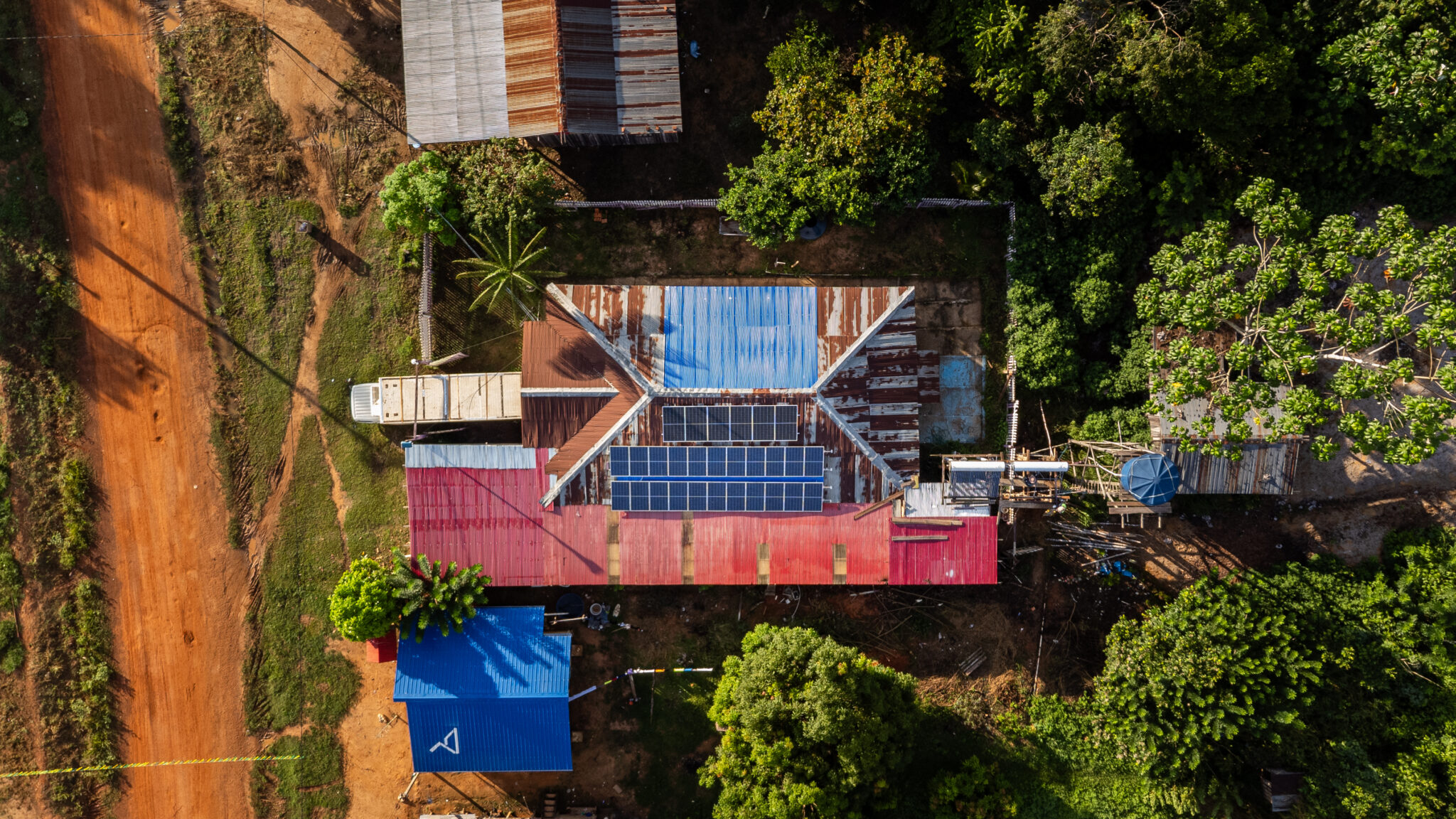
Solar panels, Bolivia
Inclusive and Clean Energy for SMEs in Rural Bolivia
7 October 2026
Bolivia has achieved high rates of electricity access, yet rural and semi-rural producers still face major barriers to securing reliable, affordable energy for productive use. Small- and medium-sized enterprises (SMEs) in the agrifood sector play a central role in ensuring national food security and creating employment. However, they remain highly dependent on fossil-fuel-powered pumps with […]
Smallholder farmer testing INFoCAT renewable energy powered groundnut pod plucker in Gomoa (Central Region, Ghana). Photo by UNU INRA.
Putting care at the centre of clean energy transitions
14 October 2026
Clean energy transitions are often discussed in terms of technology, finance and climate targets. But what changes when we put care at the centre? Across many low- and middle-income countries, women and girls carry a disproportionate share of unpaid care and domestic work. Cooking, collecting fuel and water, caring for others, processing food, and sustaining […]