
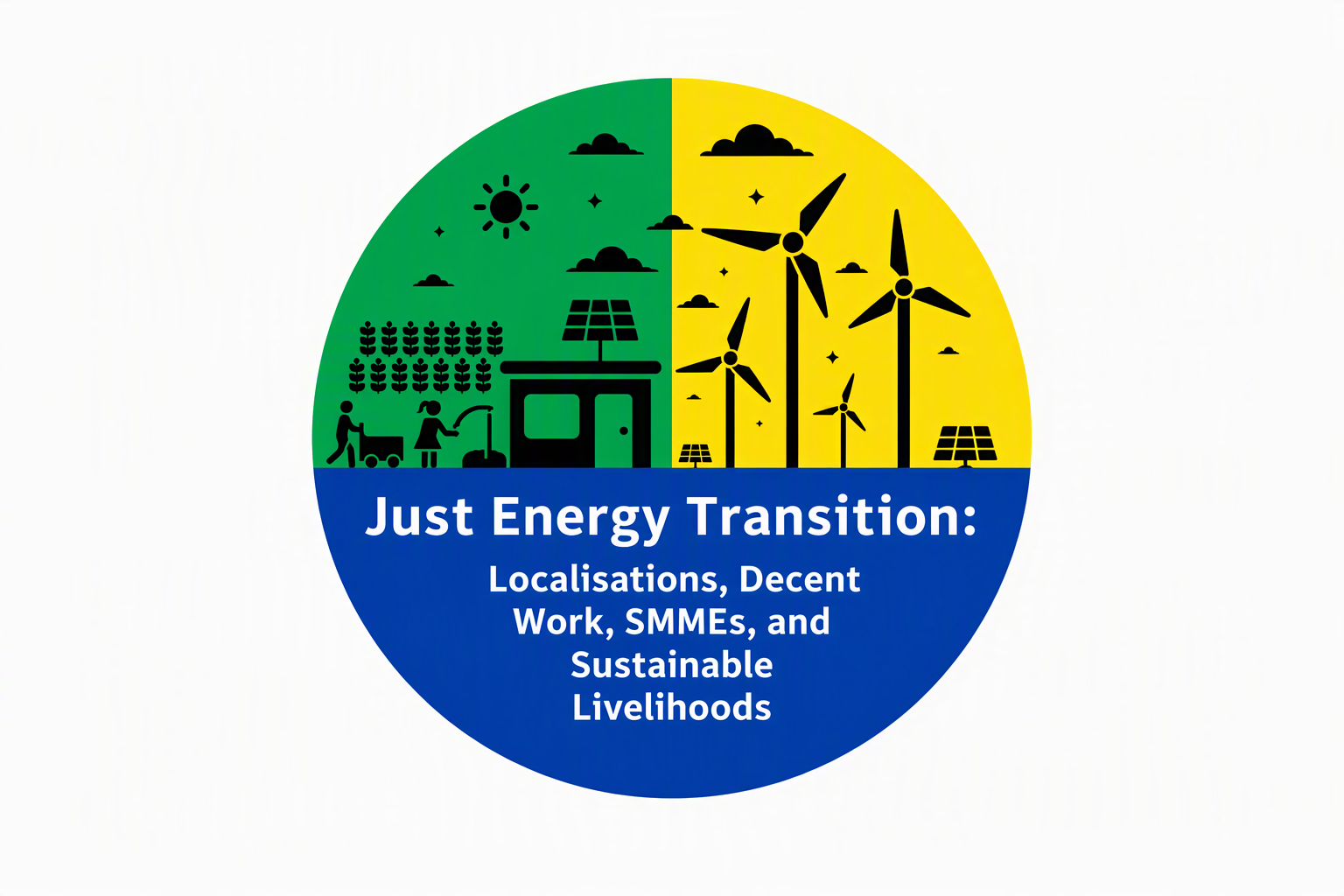
A Just Energy Transition: Localisation, Decent Work, SMMEs and Sustainable Livelihoods
Africa’s clean energy transition must create local industries and decent jobs
9 November 2026
New research from Ghana, Kenya and South Africa shows that renewable energy investment will not automatically deliver local manufacturing, secure employment or gender equity, but coordinated policy can help turn the transition into a driver of inclusive development.
Africa’s rapid shift towards renewable energy presents a major opportunity to build domestic industries, create decent jobs and support more sustainable livelihoods. Yet a new body of research warns that these benefits will not flow automatically from rising investment in solar, wind and battery technologies.
The multi-country project A Just Energy Transition: Localisation, Decent Work, SMMEs, and Sustainable Livelihoods has examined renewable energy production networks in Ghana, Kenya and South Africa. Led by the Institute for Economic Justice with research, labour and civil society partners, the project explores how local production, ownership, small business participation and industrial upgrading can help countries retain more value from the energy transition. It also asks how decent work and gender equity can be built into emerging industries from the outset.
Across the three countries, the research finds that domestic firms remain concentrated in activities such as distribution, installation, assembly, maintenance and civil works, while much of the technology, manufacturing and higher-value activity is controlled elsewhere. Firms face common barriers, including unpredictable demand, limited access to affordable finance, skills gaps, weak policy coordination and competition from imported components.
The findings also underline that more jobs do not necessarily mean better jobs. Project-based employment can be insecure, with uneven access to contracts, social protection, training and safe working conditions. Women remain underrepresented in technical, managerial and leadership roles, showing why inclusion cannot be treated as an afterthought.
The research points to practical routes forward. Governments can use predictable procurement pipelines and well-enforced local-content rules to support domestic suppliers. Targeted finance, certification, training and technology partnerships can help smaller firms move into higher-value activities. Public support should also be tied to labour standards, worker voice and measurable gender-equity commitments.
Taken together, the evidence offers a clear message: clean energy deployment and inclusive industrial development must be pursued together. With deliberate choices now, Ghana, Kenya and South Africa can build stronger local capabilities while ensuring that workers, women, small businesses and communities share in the benefits of the transition.
Find out more
Explore the full collection of reports, case studies and factsheets on the project website, including dedicated research from Ghana, Kenya and South Africa.
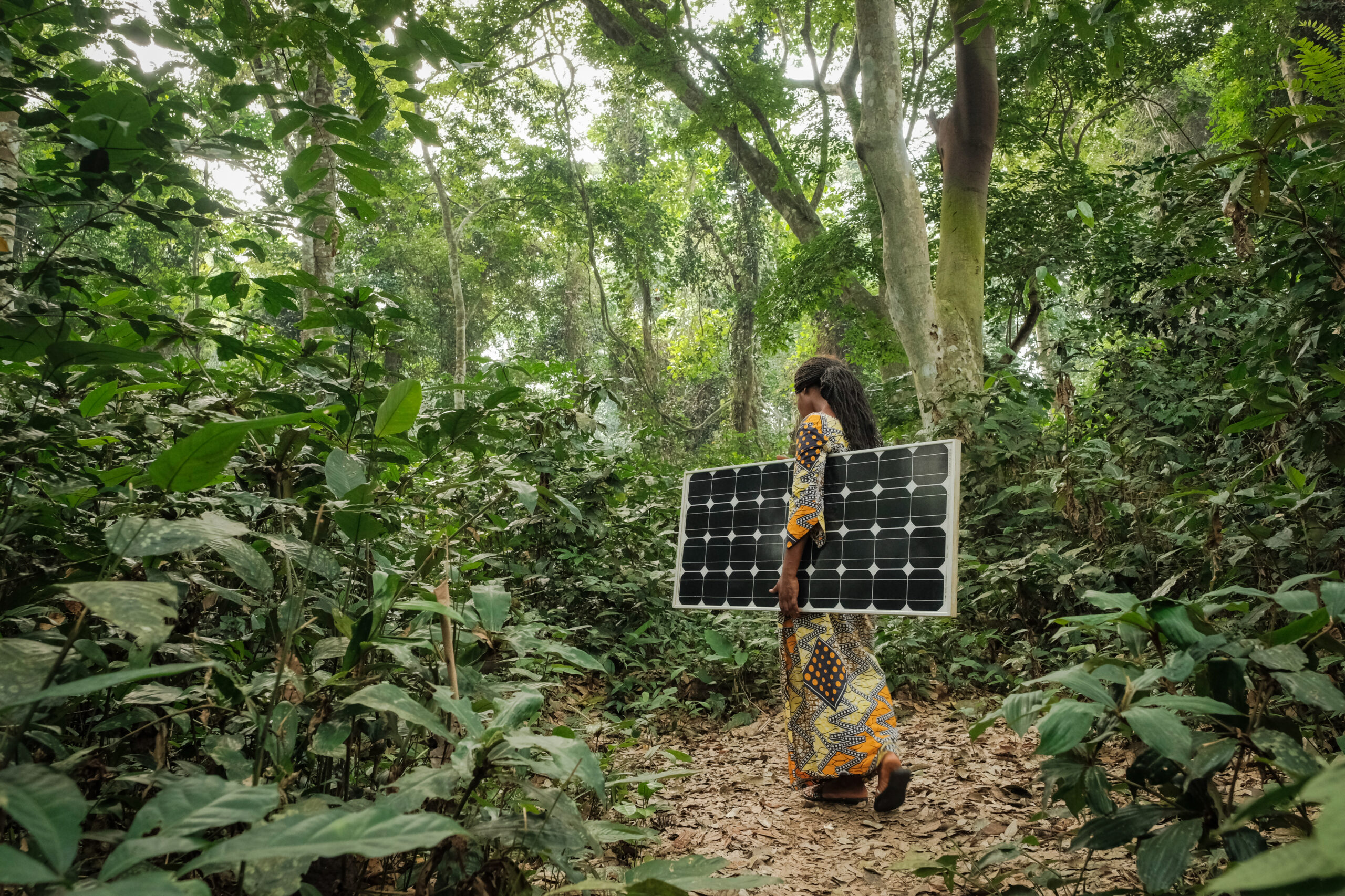
Woman carrying a solar pannel near Yangambi, DRC. Photo by Axel Fassio/CIFOR via Flickr under licence CC BY-NC-ND 2.0. https://flic.kr/p/27NYoQe
Gender-Responsive Renewable Energy for Empowerment and Inclusive Energy Transitions
Tuesday 10 November 2026
This side event, hosted by the International Centre for Integrated Mountain Development (ICIMOD) as part of COP31, will explore how gender-responsive renewable energy can strengthen women’s livelihoods, agency and economic opportunities, drawing on field experiences from regional and global evidence, policy and financing perspectives. This event is in-person only, and open to anyone attending the […]
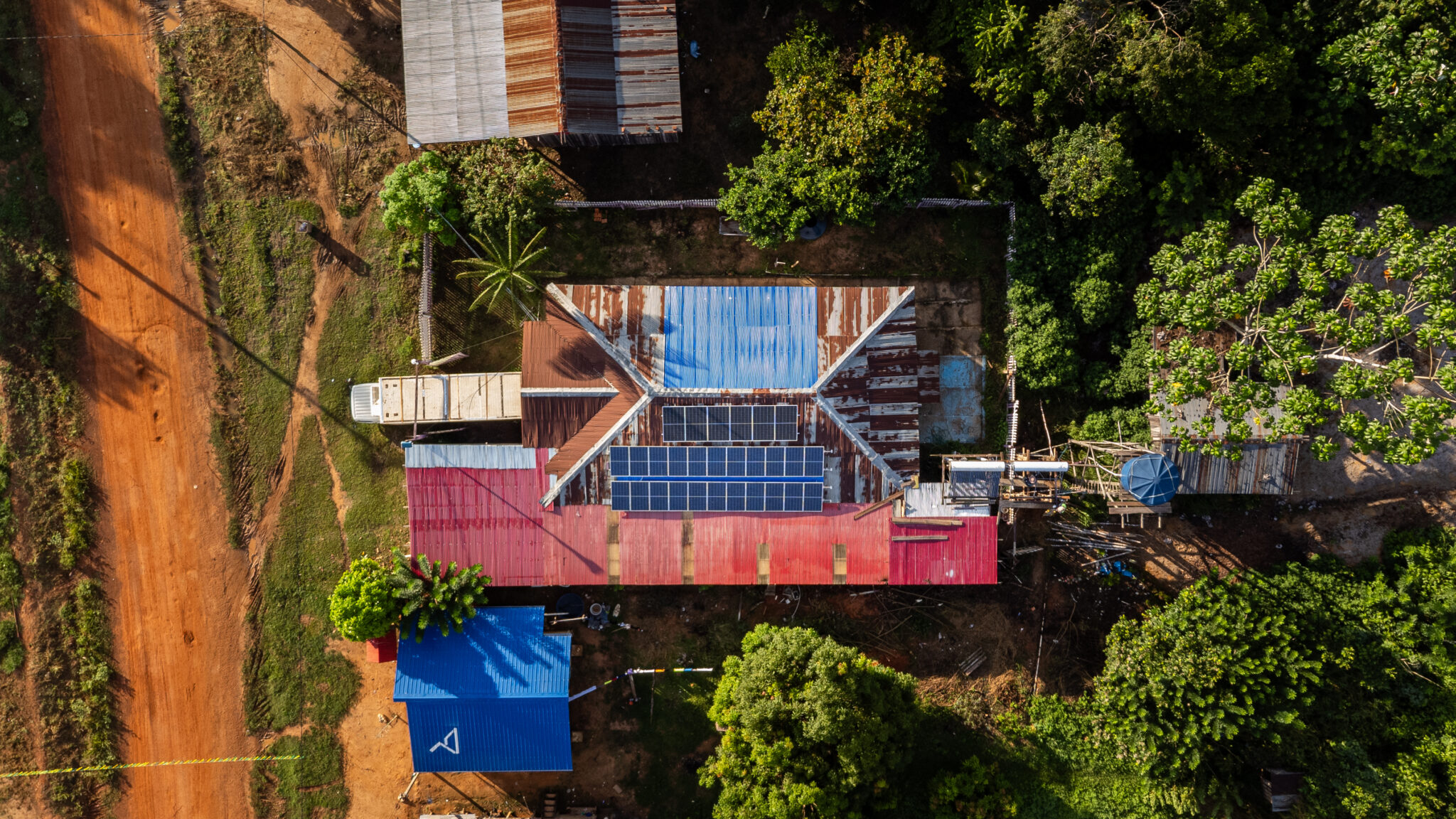
Solar panels, Bolivia
Inclusive and Clean Energy for SMEs in Rural Bolivia
7 October 2026
Bolivia has achieved high rates of electricity access, yet rural and semi-rural producers still face major barriers to securing reliable, affordable energy for productive use. Small- and medium-sized enterprises (SMEs) in the agrifood sector play a central role in ensuring national food security and creating employment. However, they remain highly dependent on fossil-fuel-powered pumps with […]
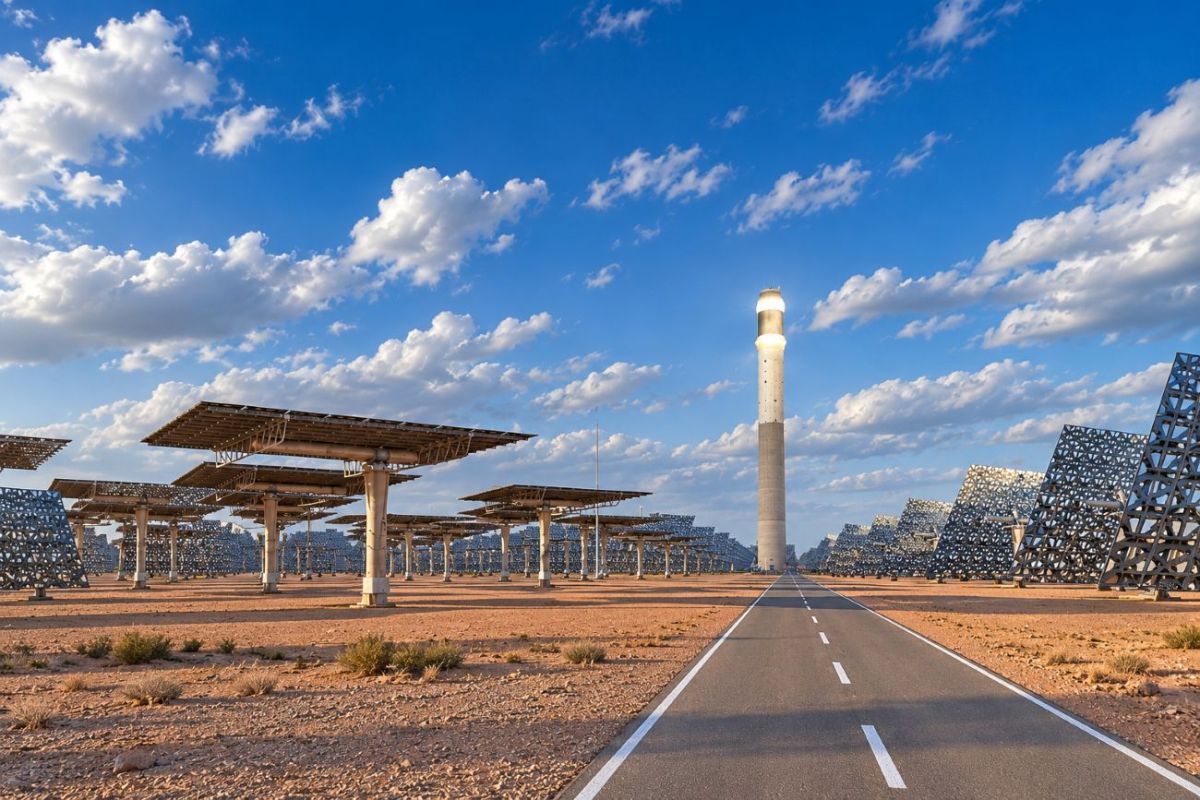
Concentrated Solar Pannels Farm, Noor III in Ouarzazate, Morocco, by Khalid Ghozlani, IDRC
Beyond electricity access: Making Mission 300 sustainable through productive use
3 November 2026
Over 560 million people in sub-Saharan Africa still live without electricity. To address this challenge, the World Bank, the African Development Bank and other partners recently launched Mission 300, an ambitious USD$54 billion (~CAD75 billion) initiative to connect 300 million people in sub-Sahara Africa to electricity by 2030. But for Mission 300 to succeed, a […]