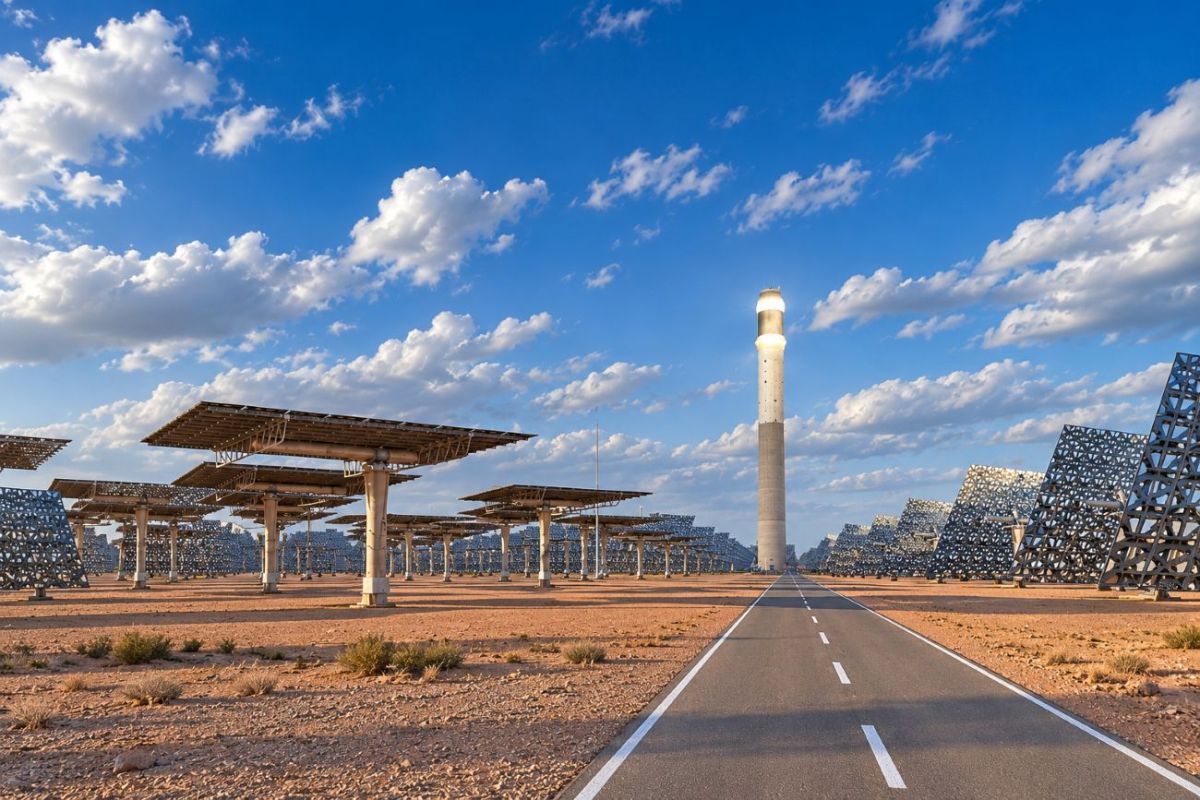
Concentrated Solar Pannels Farm, Noor III in Ouarzazate, Morocco, by Khalid Ghozlani, IDRC
Beyond electricity access: Making Mission 300 sustainable through productive use
3 November 2026
Over 560 million people in sub-Saharan Africa still live without electricity. To address this challenge, the World Bank, the African Development Bank and other partners recently launched Mission 300, an ambitious USD$54 billion (~CAD75 billion) initiative to connect 300 million people in sub-Sahara Africa to electricity by 2030.
But for Mission 300 to succeed, a paradigm shift is needed: infrastructure alone does not guarantee sustainable access. The solution is to empower populations to use electricity productively to pay for itself, and pool resources to make productive activities and energy systems viable at the community level.
Why have traditional approaches not worked? The answer is stark: poverty. Many financiers view low-income populations as “not solvable”: unable to pay consistently for electricity, even where infrastructure is available. With limited budgets, governments face difficult trade-offs: they, prioritize communities that can sustain payments. After all, when communities can’t pay, facilities fall into disrepair or cease operating altogether, and governments end up repaying the debts at the expense of new investments.
For the private sector, the logic is simple: without a viable customer base, electrification projects are considered “unbankable.”
Rethinking the equation: From “unbankable” to “untapped market”
The assumption that low-income populations are “unbankable” has long shaped investment patterns. Yet, as C.K. Prahalad argued in The Fortune at the Bottom of the Pyramid, poverty should be viewed not as a barrier to markets but as an invitation to innovate.
People living without electricity are not merely potential aid recipients; they are entrepreneurs, consumers, and contributors in waiting. The challenge doesn’t lie in their inability to pay, but in our inability to design solutions that match their realities.
Emerging evidence from low-access contexts suggests that unlocking this potential requires business and financing models that make electricity reliable, affordable and—critically—income-generating. It means shifting from top-down projects to community-driven approaches that build skills, enterprises and value chains allowing electricity to pay for itself.
Pay-as-you-go systems and micro-franchising demonstrated what’s possible when creativity meets constraint, reducing investor risk while supporting affordability. However, these models have largely reached populations that have already escaped extreme poverty or can meet collateral requirements—not the hardest-to-reach communities targeted by Mission 300.
Wind farm near Petra, Jordan by Khalid Ghozlani, IDRC
The game changer: Turn electricity into income, and individual constraints into collective strength
Two approaches can guide the transformation.
(1) Electricity access must generate income
Electricity should be treated as a productive input: something that can generate income, not just household consumption. The income can help households cover energy costs while supporting domestic uses like lighting, refrigeration and water pumping.
In this model, electricity for productive activities takes precedence. Household consumption becomes a consequence of income generation. The question is therefore not whether low-income populations can afford electricity, but whether they can become successful entrepreneurs within value chains that leverage their competitive advantages.
(2) Pooling resources is essential
Off-grid renewable-energy systems (e.g. intermittent ones like solar, wind and hydro, or baseload like advanced geothermal) are more financially sustainable when serving communities rather than individual households. Communities must therefore jointly operate, maintain and manage these systems.
Collaboration also strengthens entrepreneurial competitiveness. Communities with limited resources can share revenue-generating equipment and costs, exchange knowledge and position themselves strategically within selected supply chains.
But collective entrepreneurship doesn’t emerge on its own. Communities require targeted support in financial literacy, business management and sector-specific skills to transform “unbankable” individuals into successful cooperatives that generate income and finance their members’ electricity needs.
Mission 300 is a historic opportunity to transform electricity access across Africa. But its success should be measured not only by connections made or megawatts installed, but by livelihoods transformed. By making productive use central to electrification, Mission 300 can help communities generate income, sustain their electricity access and turn energy infrastructure into lasting economic development.
Read more
IDRC’s “Clean Energy for Development: Call for Action” (CEDCA) initiative supports 12 research projects in 27 countries across three areas: clean energy transition, micro-, small and medium-sized enterprises (MSMEs), and women and youth. Particularly, the research provides insights into the challenges of electrification in Sudan. Learn more on CEDCA: Research projects around the world – Clean Energy for Development
This blog was originally shared on the IDRC website on 15 October 2026.
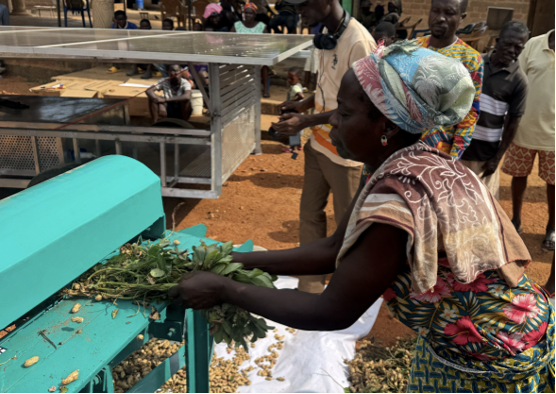
Smallholder farmer testing INFoCAT renewable energy powered groundnut pod plucker in Gomoa (Central Region, Ghana). Photo by UNU INRA.
Webinar: Clean Energy Transitions: A care economy lens
Wednesday 16 September 2026
Clean energy transitions: what changes when we put care at the centre? Join us for an engaging webinar exploring how clean energy transitions can do more than expand access to power: they can also reduce drudgery, shift how unpaid care work is recognised and shared, and open up new opportunities for women and young people in […]
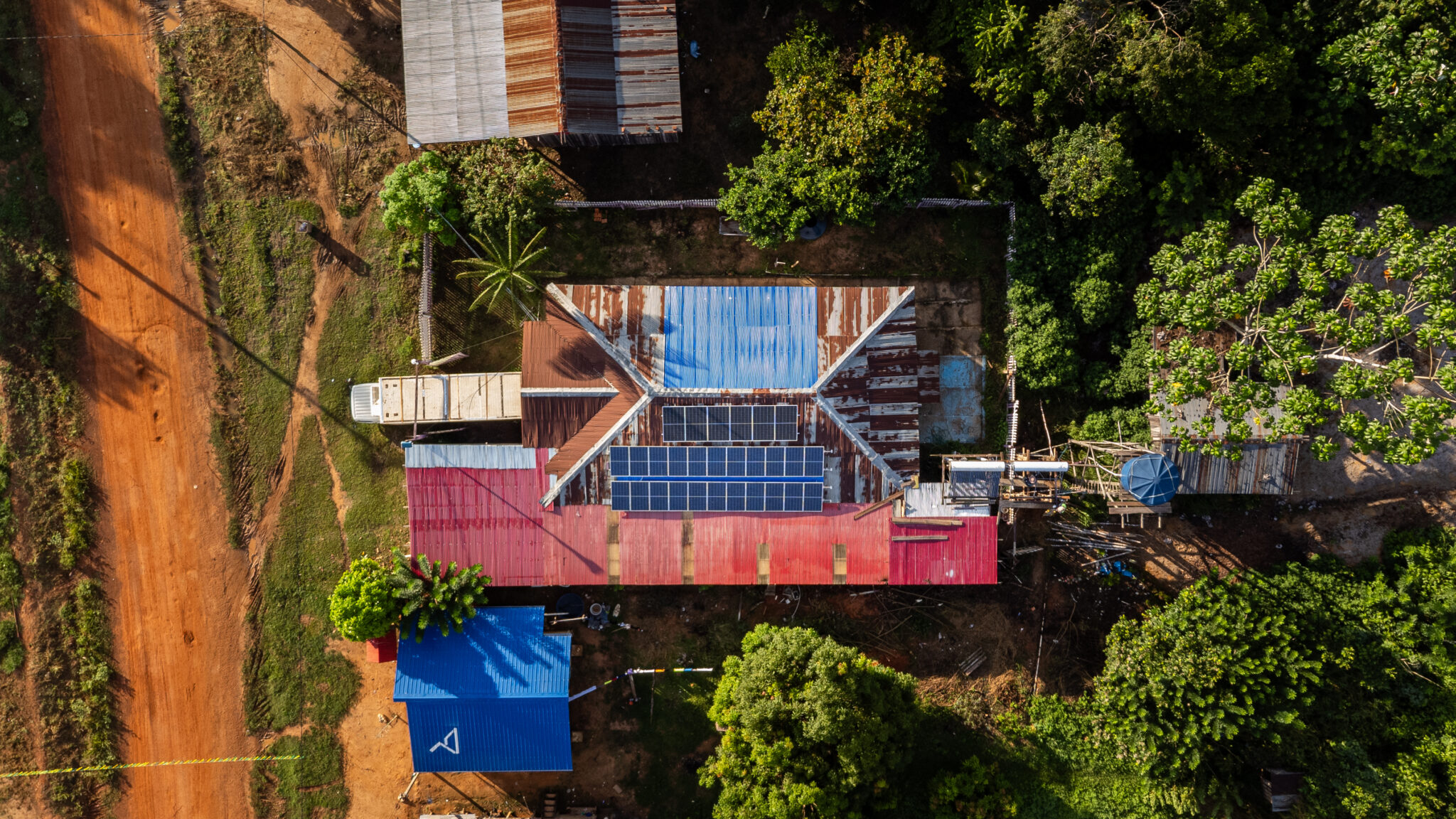
Solar panels, Bolivia
Inclusive and Clean Energy for SMEs in Rural Bolivia
7 October 2026
Bolivia has achieved high rates of electricity access, yet rural and semi-rural producers still face major barriers to securing reliable, affordable energy for productive use. Small- and medium-sized enterprises (SMEs) in the agrifood sector play a central role in ensuring national food security and creating employment. However, they remain highly dependent on fossil-fuel-powered pumps with […]
Concentrated Solar Pannels Farm, Noor III in Ouarzazate, Morocco, by Khalid Ghozlani, IDRC
Beyond electricity access: Making Mission 300 sustainable through productive use
3 November 2026
Over 560 million people in sub-Saharan Africa still live without electricity. To address this challenge, the World Bank, the African Development Bank and other partners recently launched Mission 300, an ambitious USD$54 billion (~CAD75 billion) initiative to connect 300 million people in sub-Sahara Africa to electricity by 2030. But for Mission 300 to succeed, a […]