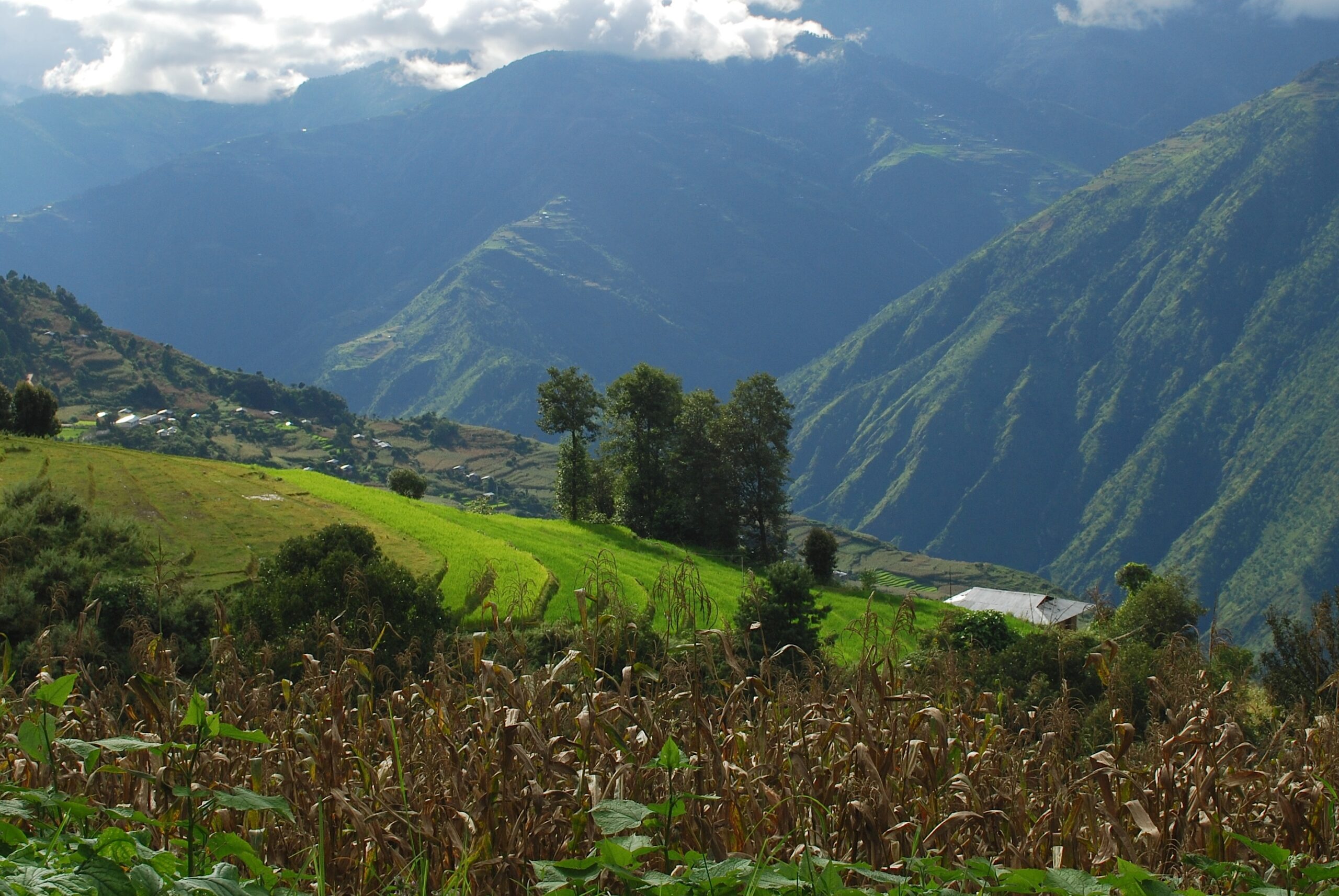
Rice paddies and farmland below Sherubtse College, Kanglung, Bhutan. Photo credit: kartografia via Flickr, licensed under CC BY-NC-ND 2.0. https://flic.kr/p/8yvV8x
Powering Inclusive Irrigation in Bhutan
10 August 2026
Summary
Reliable irrigation is out of reach for many farmers in Bhutan’s steep mountain landscapes. Only 3 per cent of land is suitable for agriculture and 80 per cent of that lacks year-round irrigation, limiting productivity, food security, and rural livelihoods, especially for women farmers.
Women’s Empowerment through Renewable Energy Powered Lift Irrigation Systems (WERELIS) has helped move this solution from a niche idea to a practical operational priority in national policies, government planning, and on-the-ground implementation. Led by the International Centre for Integrated Mountain Development (ICIMOD) with support from IDRC, the project has embedded gender-responsive and evidence-based approaches into policy, planning, and implementation. By pairing research with practical tools, integrating gender equality and social inclusion (GESI) into feasibility assessments and project selection criteria, and working simultaneously across policy, institutional, and community levels, WERELIS has reduced risk for larger-scale public and donor investment, and created conditions for more equitable access to irrigation for women farmers. The result is a more inclusive and coordinated system that reduces risk, strengthens capacity, and lays the groundwork for scalable, sustainable irrigation solutions across Bhutan.
Cite this publication
Malla, A.; Rani Gurung, B.; Dhanajayan, P. and Clark, L. (2026) 'Powering Inclusive Irrigation in Bhutan', CEDCA Stories of Change 1, Brighton: Institute of Development Studies, DOI: 10.19088/CEDCA.2026.002
Copylearning
Theme
women empowerment, lift irrigation, clean energy
Documents
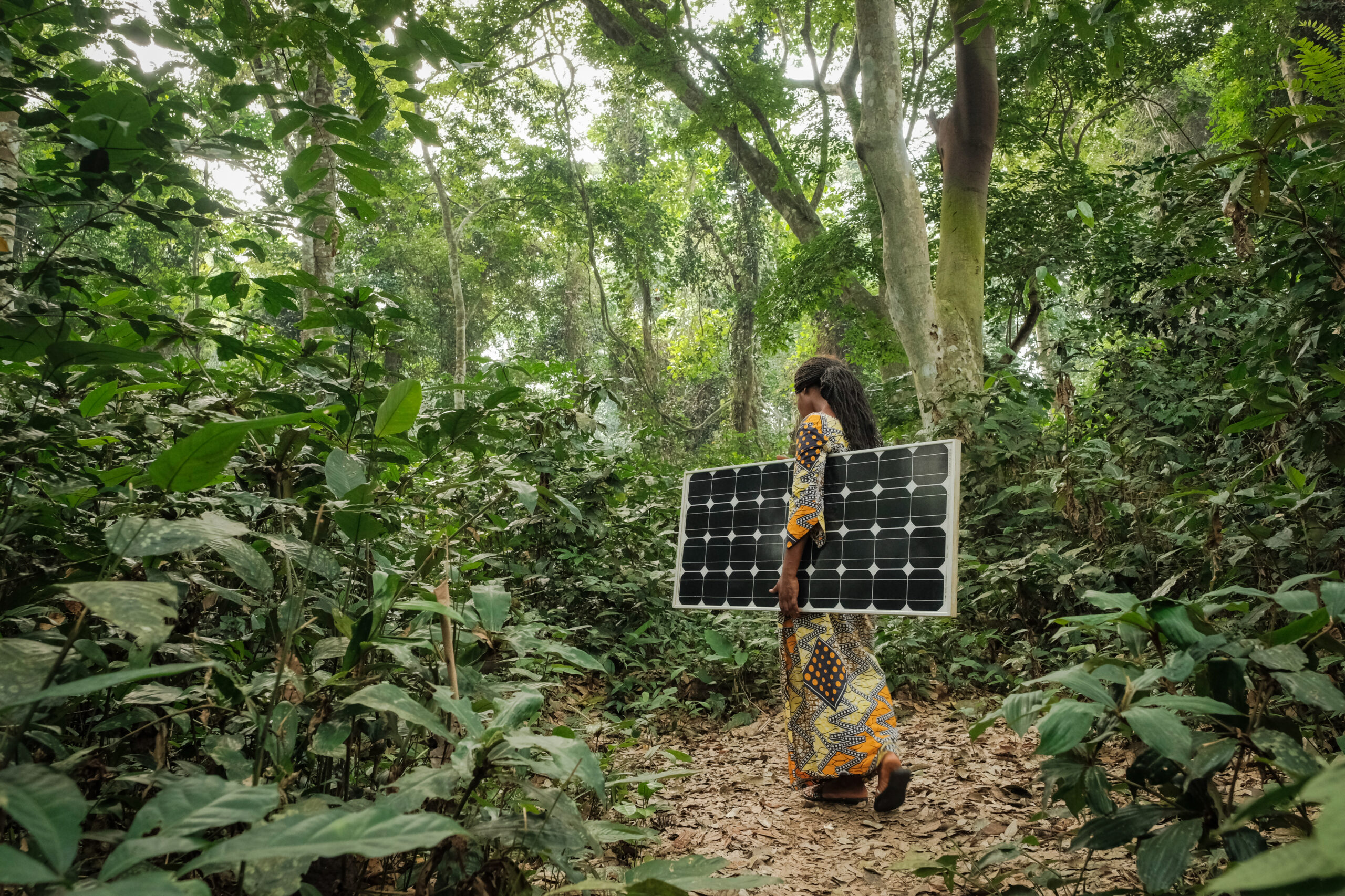
Woman carrying a solar pannel near Yangambi, DRC. Photo by Axel Fassio/CIFOR via Flickr under licence CC BY-NC-ND 2.0. https://flic.kr/p/27NYoQe
Gender-Responsive Renewable Energy for Empowerment and Inclusive Energy Transitions
Tuesday 10 November 2026
This side event, hosted by the International Centre for Integrated Mountain Development (ICIMOD) as part of COP31, will explore how gender-responsive renewable energy can strengthen women’s livelihoods, agency and economic opportunities, drawing on field experiences from regional and global evidence, policy and financing perspectives. This event is in-person only, and open to anyone attending the […]
Solar panels, Bolivia
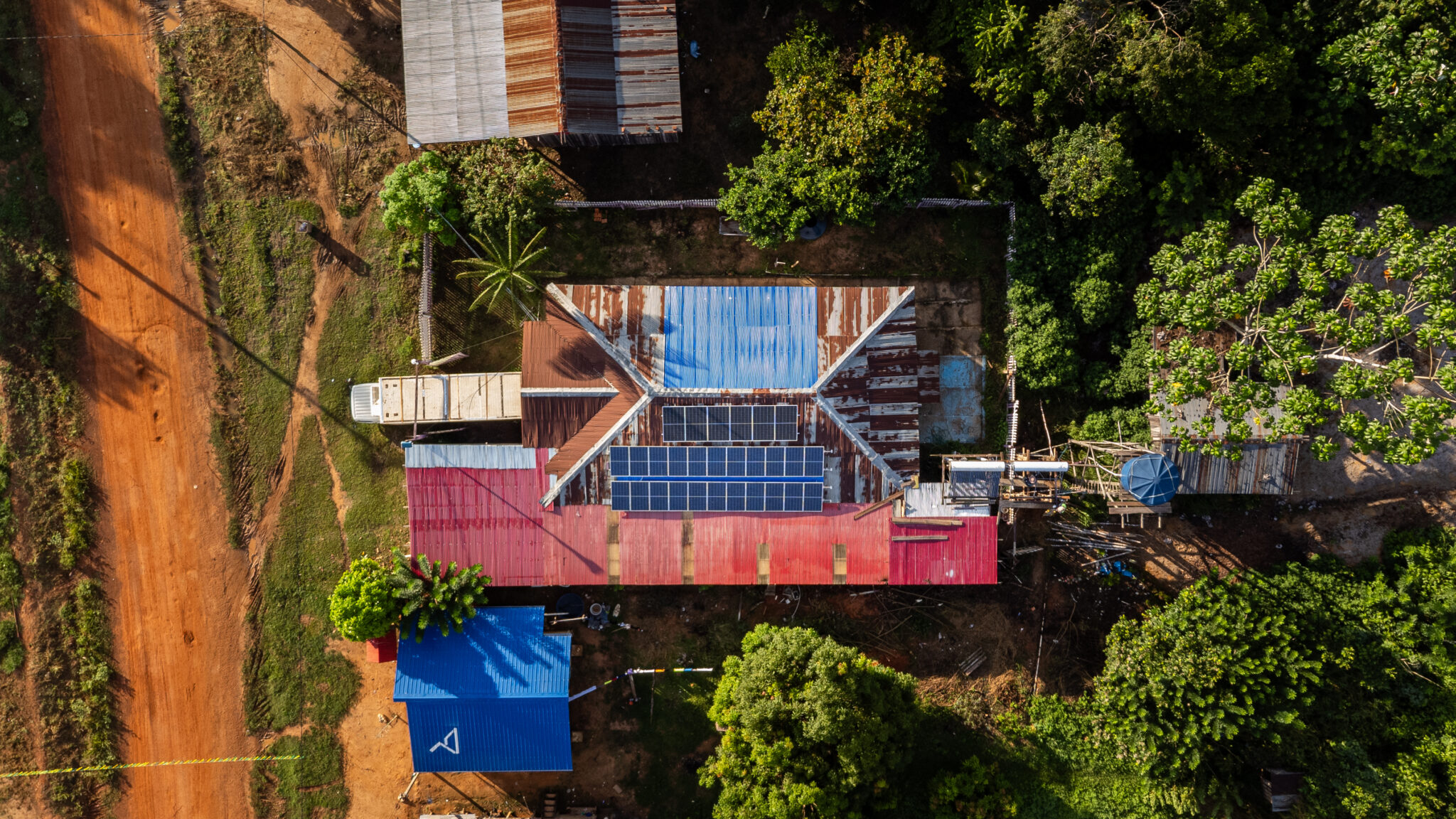
Inclusive and Clean Energy for SMEs in Rural Bolivia
7 October 2026
Bolivia has achieved high rates of electricity access, yet rural and semi-rural producers still face major barriers to securing reliable, affordable energy for productive use. Small- and medium-sized enterprises (SMEs) in the agrifood sector play a central role in ensuring national food security and creating employment. However, they remain highly dependent on fossil-fuel-powered pumps with […]
Concentrated Solar Pannels Farm, Noor III in Ouarzazate, Morocco, by Khalid Ghozlani, IDRC
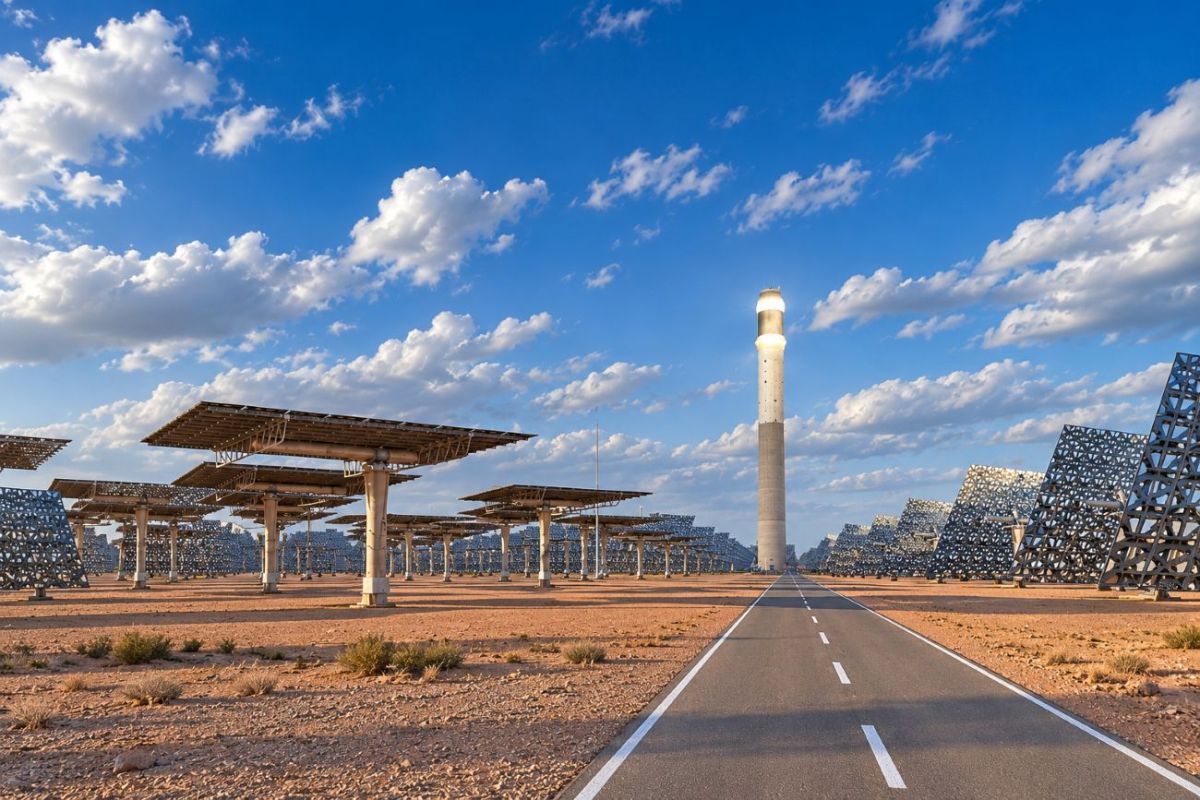
Beyond electricity access: Making Mission 300 sustainable through productive use
3 November 2026
Over 560 million people in sub-Saharan Africa still live without electricity. To address this challenge, the World Bank, the African Development Bank and other partners recently launched Mission 300, an ambitious USD$54 billion (~CAD75 billion) initiative to connect 300 million people in sub-Sahara Africa to electricity by 2030. But for Mission 300 to succeed, a […]