
Reimagining Diverse Care Infrastructures for Just and Feminist Futures
This session brings together researchers and practitioners to examine how care infrastructures can be rethought and strengthened in the context of clean energy transitions. It draws on evidence from the Clean Energy for Development: A Call to Action (CEDCA) initiative and the Africa Cares Together Community of Practice, highlighting how social and physical systems of care shape the lives and livelihoods of women and girls.
Care infrastructures include both the social systems that sustain everyday life, such as norms, practices and community networks, and the physical systems that enable care, including energy, water, transport, housing and health services. These systems are deeply interconnected. Social infrastructures sustain physical systems, while physical infrastructures shape the conditions under which care is provided, experienced and shared.
Evidence from the CEDCA Research for Policy and Practice report shows that clean energy interventions can reduce the time and physical burden of unpaid care work, particularly for women and girls, while also creating new opportunities for income generation and participation in economic life. At the same time, without deliberate attention to care, energy transitions risk reinforcing existing inequalities in the distribution of labour and decision-making.
The session explores how these dynamics are playing out across different contexts. It highlights innovations that reduce drudgery, shift time use and support more equitable outcomes, while also examining the structural barriers that continue to shape access to energy, finance and decision-making power. Speakers draw on research and practice across Africa and other regions to reflect on how care can be recognised, reduced and more equitably redistributed.
By bringing together insights across projects, the discussion focuses on what is required to move beyond isolated interventions towards systems change. This includes aligning policy, infrastructure and financing with the realities of care, and ensuring that women and girls are not only beneficiaries of clean energy transitions but active participants in shaping them.
Panelists
- Peninah Ndegwa, Managing Director, WOWMom, Kenya
- Karungari Wachira, Population Research Council and Tiny Totos, Kenya
- Dr Jane Kamau, Caregivers Empowerment Network-Africa (CENetA), Kenya
- Sitabile Dewa, Executive Director, Women’s Academy for Leadership and Political Excellence (WALPE), Zimbabwe
- Natalia Saba Fricke, Project Coordinator, Desjardins International Development (DID)
- Jane Mariara, Executive Director, Partnership for Economic Policy (PEP), Kenya
Facilitators and speakers
- Deepta Chopra, Institute of Development Studies (IDS)
- Ruhil Iyer, Institute of Development Studies (IDS)
- Wangari Kinoti, ActionAid International
Event details
This session will take place at the Women Deliver Conference from 27th – 30th April 2026. It is open to conference participants attending in person.
Side Event 2J
Tuesday, Apr 28, 2026
12:00 PM – 1:30 PM (AEST)
Melbourne Convention and Exhibition Center, Meeting Room 211, Level 2
event
When
Tuesday 28 April 2026
Time
12:00 - 13:30
Where
Meeting Room 211, Level 2, Melbourne Convention and Exhibition Center, Australia
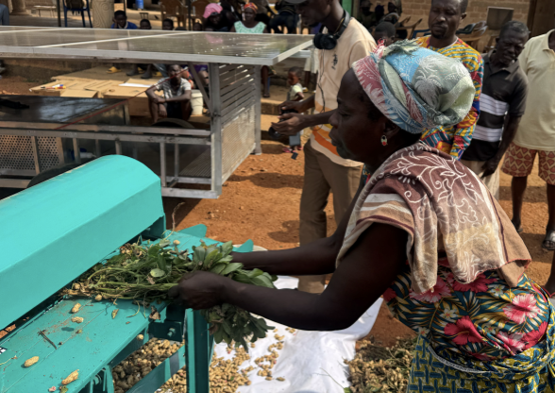
Smallholder farmer testing INFoCAT renewable energy powered groundnut pod plucker in Gomoa (Central Region, Ghana). Photo by UNU INRA.
Webinar: Clean Energy Transitions: A care economy lens
Wednesday 16 September 2026
Clean energy transitions: what changes when we put care at the centre? Join us for an engaging webinar exploring how clean energy transitions can do more than expand access to power: they can also reduce drudgery, shift how unpaid care work is recognised and shared, and open up new opportunities for women and young people in […]
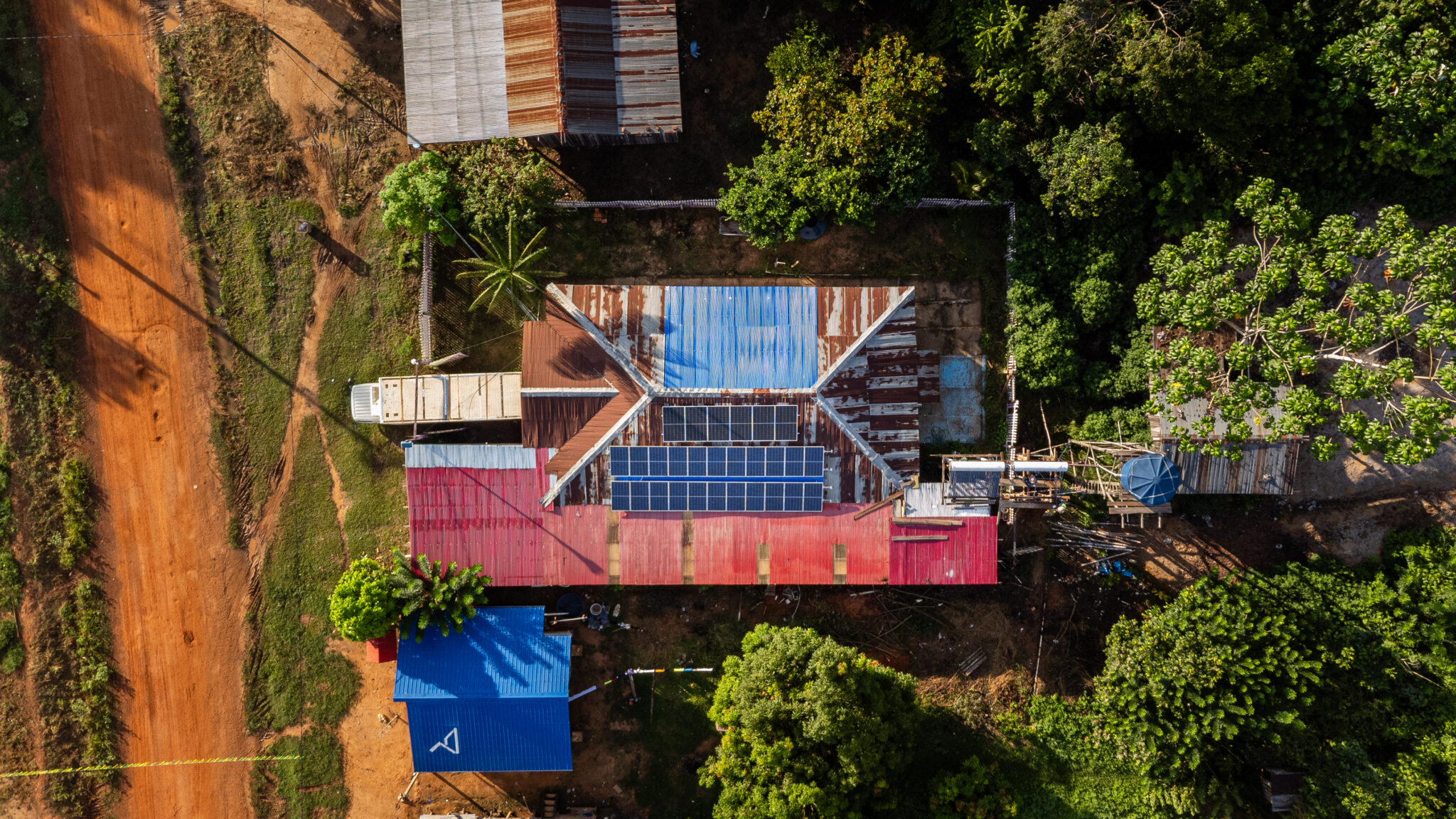
Solar panels, Bolivia
Inclusive and Clean Energy for SMEs in Rural Bolivia
7 October 2026
Bolivia has achieved high rates of electricity access, yet rural and semi-rural producers still face major barriers to securing reliable, affordable energy for productive use. Small- and medium-sized enterprises (SMEs) in the agrifood sector play a central role in ensuring national food security and creating employment. However, they remain highly dependent on fossil-fuel-powered pumps with […]
Smallholder farmer testing INFoCAT renewable energy powered groundnut pod plucker in Gomoa (Central Region, Ghana). Photo by UNU INRA.
Putting care at the centre of clean energy transitions
14 October 2026
Clean energy transitions are often discussed in terms of technology, finance and climate targets. But what changes when we put care at the centre? Across many low- and middle-income countries, women and girls carry a disproportionate share of unpaid care and domestic work. Cooking, collecting fuel and water, caring for others, processing food, and sustaining […]