

Credit: Aisha Nanyiti, PEP.
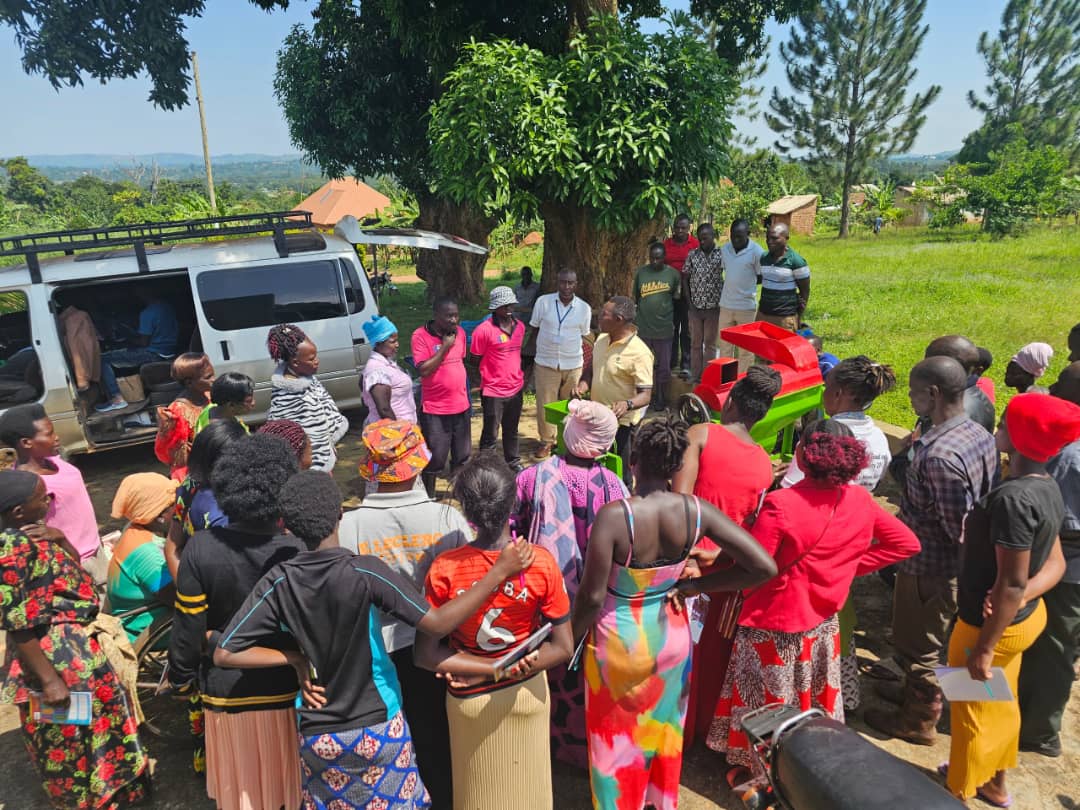
Clean Energy Solutions for Agriculture: Empowering MSMEs in Sub-Saharan Africa
20 February 2025
In the face of climate change and its disproportionate impact on agriculture, finding sustainable solutions for smallholder farmers is more critical than ever. With agriculture being the backbone of many Sub-Saharan African economies, adopting low-carbon technologies in this sector offers immense potential to drive inclusive economic growth while ensuring environmental sustainability.
A collaborative initiative for clean energy innovation
Recently, a ground-breaking field experiment on low-carbon agricultural technology was launched under the leadership of our research team at Makerere University. This initiative is part of a collaborative effort involving the Environment for Development (EfD), the Partnership for Economic Policy (PEP), and the International Development Research Centre (IDRC) Canada.
The research, conducted with key partners such as the Ministry of Energy and Mineral Development, Musa Body Machinery Uganda, and SunCulture Uganda Limited, seeks to identify and address the barriers to adopting renewable energy solutions in agriculture. This work builds on the objectives of the Clean Energy for Development Call to Action (CEDCA) initiative, which strives for a just and inclusive energy transition.
The role of renewable energy in modernising agriculture
Agriculture in Sub-Saharan Africa is predominantly small-scale, with many farmers lacking access to affordable and sustainable energy solutions. Diesel-powered irrigation systems and inefficient farming methods are still common, increasing costs and contributing to greenhouse gas emissions.
Low-carbon technologies such as solar irrigation systems and renewable energy-powered machinery can transform agricultural practices. SunCulture Uganda Limited, one of the key collaborators, with its partners, provides solar irrigation kits that are not only affordable but also easy to maintain. By adopting such technologies, smallholder farmers can improve yields, reduce operational costs, and build climate resilience.
Researching barriers and opportunities
Our field experiment focuses on understanding the systemic barriers preventing widespread adoption of renewable energy solutions in agriculture. These include high upfront costs, lack of financing options for small and medium-sized enterprises (MSMEs), and limited technical knowledge among farmers.
Through this research, we also aim to identify opportunities for scaling renewable energy technologies. Collaboration with local stakeholders, such as Musa Body Machinery Uganda, ensures that these solutions are contextually relevant and accessible.
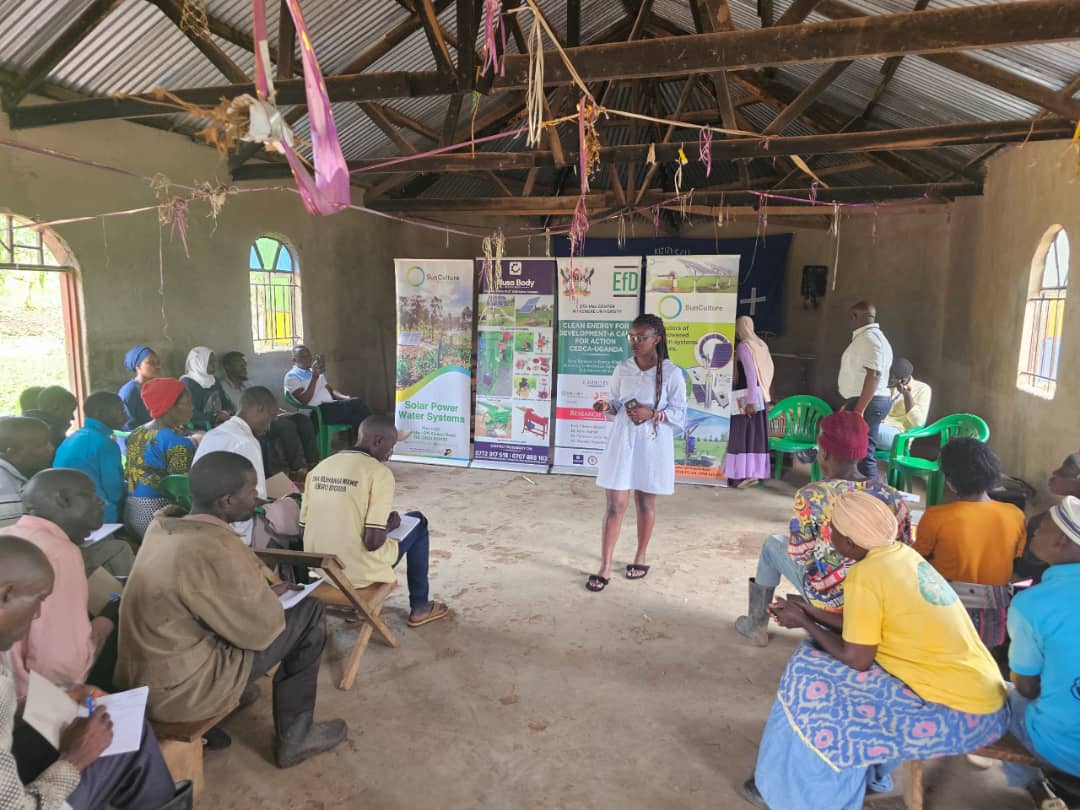
Credit: Aisha Nanyiti, PEP
Bridging policy and practice
For sustainable solutions to have a lasting impact, research needs to influence policy. The involvement of Uganda’s Ministry of Energy and Mineral Development in this project ensures that findings from the field experiment are integrated into national clean energy strategies. This collaboration will provide actionable recommendations to policymakers, emphasising the importance of investing in renewable energy for agriculture to achieve both economic and environmental goals.
Empowering MSMEs and farmers
The project highlights the critical role of MSMEs in driving the clean energy transition. As engines of local economic growth, these enterprises are key to delivering energy solutions to underserved communities. However, many MSMEs struggle to access financing and markets, limiting their ability to scale innovative solutions.
By partnering with organisations like PEP, which specialises in evidence-based policy research, this initiative seeks to strengthen the capacity of MSMEs to deliver renewable energy technologies. Moreover, the field experiment directly engages smallholder farmers, ensuring that their voices and experiences shape the design and implementation of these solutions.
A path toward inclusive energy transition
The broader goal of this initiative aligns with the CEDCA vision of creating inclusive, low-carbon, climate-resilient economies. Renewable energy solutions for agriculture are not just about reducing emissions—they are about empowering communities, enhancing food security, and creating green jobs.
The collaboration between EfD, PEP, and IDRC demonstrates the power of partnerships in tackling complex challenges. By bringing together researchers, policymakers, and private sector actors, this initiative lays the foundation for a cleaner, more equitable future for agriculture in Sub-Saharan Africa.
Looking ahead
As field experiments progress, the findings will provide valuable insights into how renewable energy solutions can be scaled to benefit smallholder farmers and rural communities. The hope is that these efforts will serve as a blueprint for similar initiatives across Africa and beyond, demonstrating that a just clean energy transition is not only possible but also transformative.
blog
Lead Partner
PEP - Partnership for Economic Policy
PEP works with Environment for Development (EfD) to generate robust evidence to inform policy reforms that foster resilience, adaptation to climate change, and inclusivity in the agricultural sector, particularly for women and youth in Burkina Faso, Kenya, Uganda, and Vietnam.
Read more
Webinar: Clean Energy Transitions: A care economy lens
Wednesday 16 September 2026
Clean energy transitions: what changes when we put care at the centre? Join us for an engaging webinar exploring how clean energy transitions can do more than expand access to power: they can also reduce drudgery, shift how unpaid care work is recognised and shared, and open up new opportunities for women and young people in […]
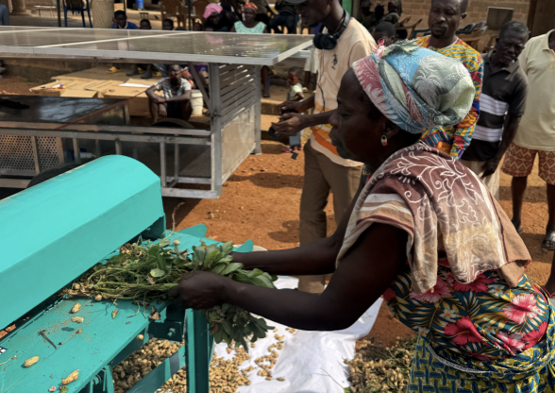
Smallholder farmer testing INFoCAT renewable energy powered groundnut pod plucker in Gomoa (Central Region, Ghana). Photo by UNU INRA.
Clean Energy Transitions: A Care Economy Lens
20 April 2026
How can clean energy transitions reduce energy poverty while also addressing the unequal burden of unpaid care work? This is an increasingly urgent question as the global shift to clean energy reshapes not only energy systems, but everyday life within households. Across many low- and middle-income countries, women and girls continue to shoulder a disproportionate […]
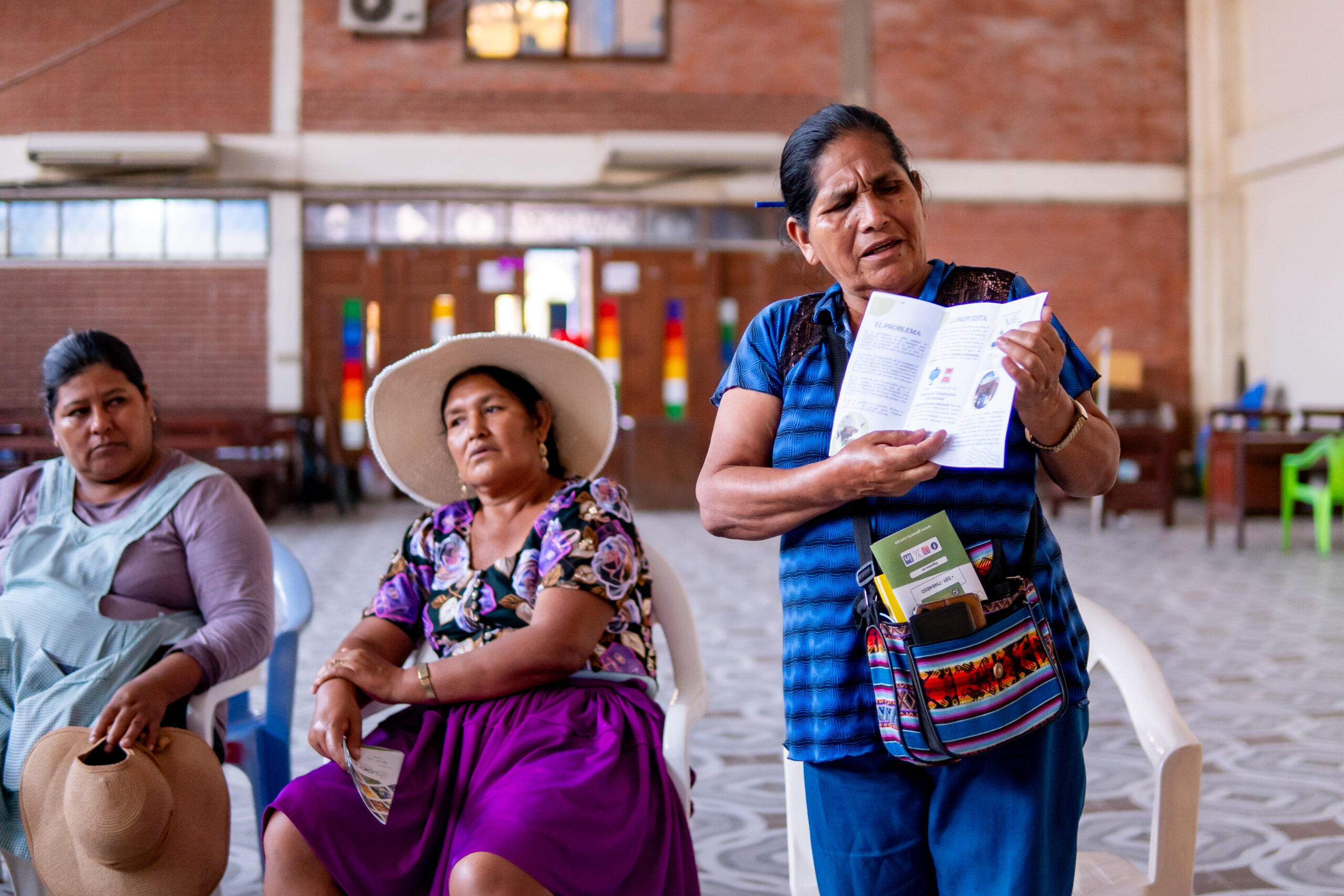
Decentralised renewable energy for rural SMEs in Bolivia: benefits, opportunities and challenges for women
8 July 2026
Bolivia is facing an energy crisis marked by shortages of diesel and petrol, and by high energy costs. For small and medium-sized rural family-based enterprises (SMEs), which play a central role in food production and in sustaining rural livelihoods, this situation increases operating costs, affects productive continuity and limits competitiveness, especially in territories with limited […]