
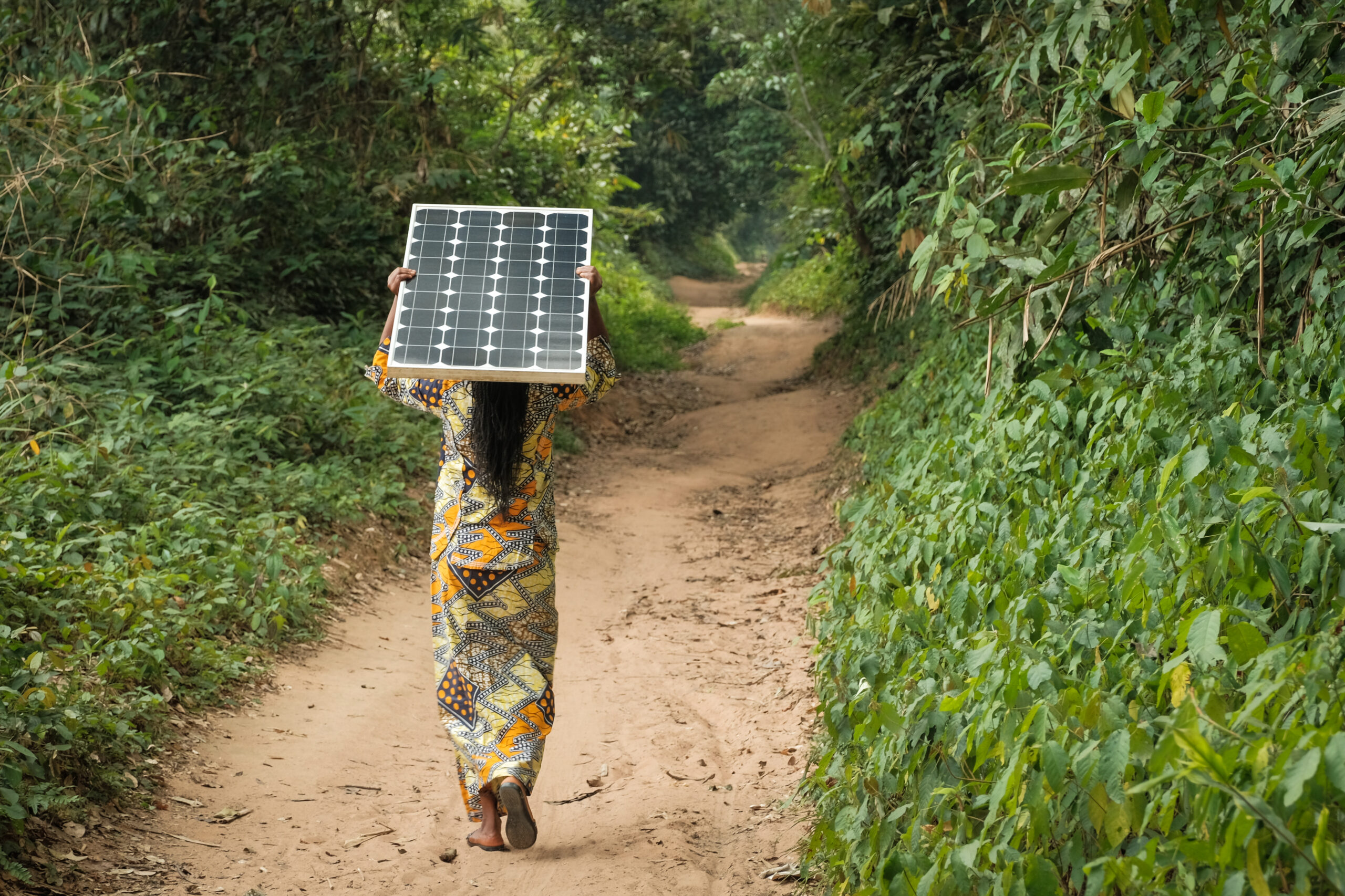
Woman carrying a solar pannel near Yangambi, DRC. Axel Fassio/CIFOR via Flickr. CC BY-NC-ND 2.0 https://flic.kr/p/286BAUy
Powering Change: The Critical Role of Women and Youth in Sustainable Energy Transformation
9 April 2025
How do we build economic systems that recognise and work within the biophysical limits of our finite planet while simultaneously reducing poverty and inequality?
This has become a defining question of our time, and the global transition to clean energy is increasingly considered an important vehicle via which we might address this ‘trilemma.’ Concerns about environmental sustainability and fossil fuel insecurity have encouraged countries around the world to transition to low-carbon energy supplies derived from clean renewables such as solar, hydro, bioenergy, geothermal and wind. Since producing and distributing clean energy is more labour intensive than producing and distributing fossil fuels, this shift is creating new employment opportunities, as well as addressing energy poverty in remote or under-served communities everywhere in the world.
Although there is tremendous potential to create employment and opportunities for entrepreneurship in clean energy almost everywhere in the world, there is a growing concern that women, who are already underrepresented in the energy sector, will become even more marginalised if gender equity policies and programmes are not proactively planned and implemented. Without appropriately targeted training, education, apprenticeships, employment placement, financial tools and supportive social policies, transitioning to clean energy may exacerbate existing gender inequities and hinder global poverty alleviation goals, including the SDGs. Empirical data on the participation of women and youth in the clean energy sector remains weak and scattered, and so do policy interventions designed to optimise their participation. This is precisely what Canada’s International Development Research Centre (IDRC) is trying to accomplish via its Clean Energy for Development: A Call to Action (CEDCA) initiative, which supports 12 research projects that operate in 27 countries across three thematic bases: clean energy transition, micro-, small and medium-sized enterprises (MSMEs), and women and youth.
This research for policy and practice report showcases three of these research projects and draws out rigorous evidence to inform policymaking that advances the participation of women and youth in the clean energy sector.
Authored by Bipasha Baruah, Ann Kingiri, Daniel Musyoka, Michele Diop Niang, Luciano Barin Cruz, Ibrahima Dally Diouf, Syrine Gabsi, Yasmeen Oraby, Jannah Abdulmajeed, Atif Kubrusi.
Summary
How do we build economic systems that recognise and work within the biophysical limits of our finite planet while simultaneously reducing poverty and inequality?
This has become a defining question of our time, and the global transition to clean energy is increasingly considered an important vehicle via which we might address this ‘trilemma.’ Concerns about environmental sustainability and fossil fuel insecurity have encouraged countries around the world to transition to low-carbon energy supplies derived from clean renewables such as solar, hydro, bioenergy, geothermal and wind. Since producing and distributing clean energy is more labour intensive than producing and distributing fossil fuels, this shift is creating new employment opportunities, as well as addressing energy poverty in remote or under-served communities everywhere in the world.
Cite this publication
Baruah, B. et al. (2025) Powering Change: The Critical Role of Women and Youth in Sustainable Energy Transformation, Clean Energy for Development: A Call to Action (CEDCA) Research for Policy and Practice, Brighton: Institute of Development Studies, DOI: 10.19088/CEDCA.2025.001
Copylearning
Theme
Clean Energy, Gender, Inclusion
Documents
Webinar: Clean Energy Transitions: A care economy lens
Wednesday 16 September 2026
Clean energy transitions: what changes when we put care at the centre? Join us for an engaging webinar exploring how clean energy transitions can do more than expand access to power: they can also reduce drudgery, shift how unpaid care work is recognised and shared, and open up new opportunities for women and young people in […]
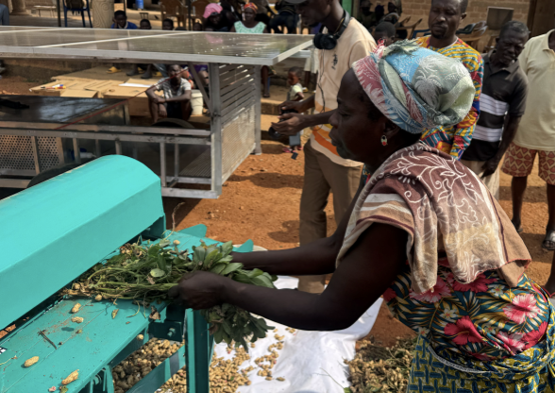
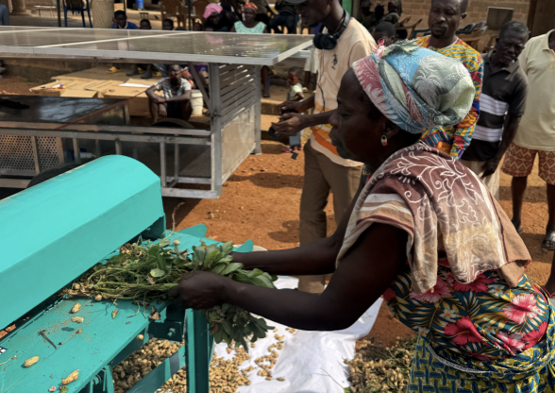
Smallholder farmer testing INFoCAT renewable energy powered groundnut pod plucker in Gomoa (Central Region, Ghana). Photo by UNU INRA.
Clean Energy Transitions: A Care Economy Lens
20 April 2026
How can clean energy transitions reduce energy poverty while also addressing the unequal burden of unpaid care work? This is an increasingly urgent question as the global shift to clean energy reshapes not only energy systems, but everyday life within households. Across many low- and middle-income countries, women and girls continue to shoulder a disproportionate […]
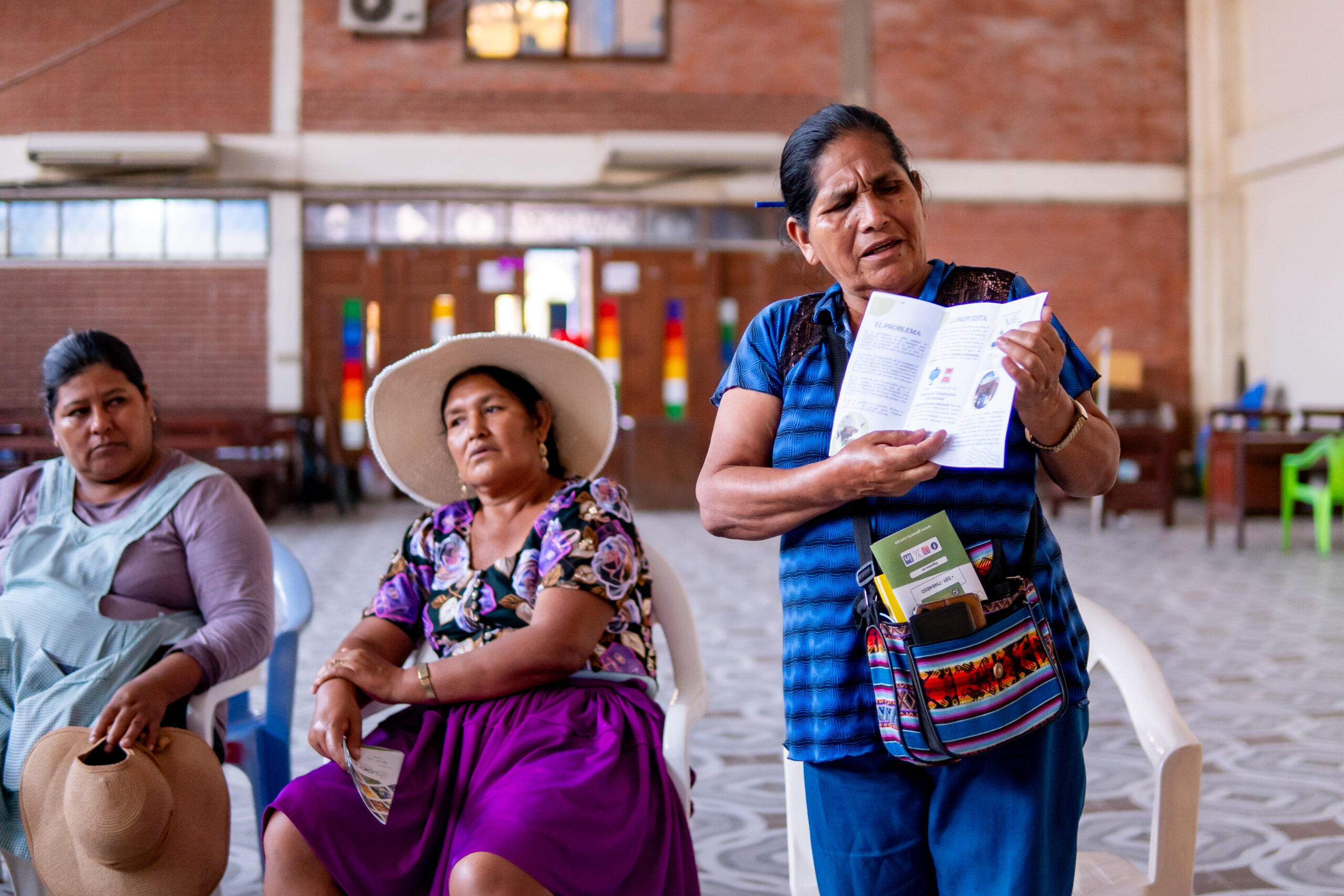
Decentralised renewable energy for rural SMEs in Bolivia: benefits, opportunities and challenges for women
8 July 2026
Bolivia is facing an energy crisis marked by shortages of diesel and petrol, and by high energy costs. For small and medium-sized rural family-based enterprises (SMEs), which play a central role in food production and in sustaining rural livelihoods, this situation increases operating costs, affects productive continuity and limits competitiveness, especially in territories with limited […]