
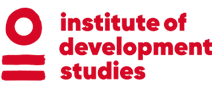
'Solar panel on used for lighting village homes' by World Bank Photo Collection via Flickr (CC BY-NC-ND 2.0) https://flic.kr/p/42H6dY
An Overview of Impact Pathways
27 November 2024
Summary
The CEDCA Overview of Impact Pathways (Figure 1) presents a visual summary of key impact pathways from across the 12 projects of the Clean Energy for Development: A Call to Action (CEDCA) initiative, funded by the International Development Research Centre (IDRC). It is the result of an analysis of initial documentation from each of the projects within the initiative to identify areas of coherence across their proposed activities, and desired outcomes and impacts. It does not seek to provide an exhaustive account of every aspect of all the CEDCA projects, but to identify the different types of impact pathways across projects to represent the essence of CEDCA. The primary objective of this overview is to ensure that every project within the CEDCA initiative can identify itself, at least to some extent, within one or more of the impact pathways outlined, demonstrating a shared purpose and complementary processes among projects.
The overview is intended to be a tool, open to adaptation and updates based on input from individual projects, and collective reflections across the cohort. As the projects progress and evolve, their experiences and insights can be incorporated into future iterations of this overview, ensuring that it remains relevant and accurately reflects ongoing work. This adaptability will enable the overview to respond to emerging outcomes and learning of individual projects, acting as a resource for the CEDCA community.
Cite this publication
Spicer, L. and Clark, L. (2024) Clean Energy for Development: A Call to Action. An Overview of Impact Pathways, CEDCA Impact Pathways Report, Brighton: Institute of Development Studies DOI: 10.19088/CEDCA.2024.003
Copylearning
Documents
Webinar: Clean Energy Transitions: A care economy lens
Wednesday 16 September 2026
Clean energy transitions: what changes when we put care at the centre? Join us for an engaging webinar exploring how clean energy transitions can do more than expand access to power: they can also reduce drudgery, shift how unpaid care work is recognised and shared, and open up new opportunities for women and young people in […]
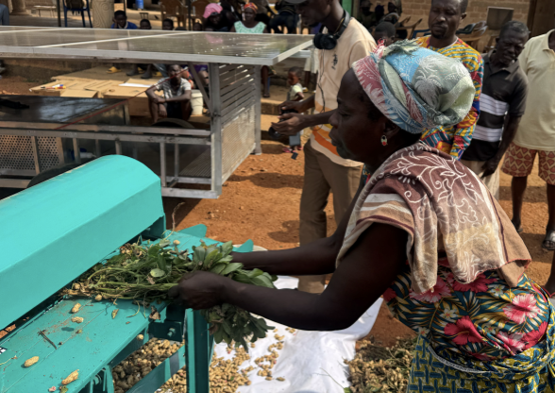
Smallholder farmer testing INFoCAT renewable energy powered groundnut pod plucker in Gomoa (Central Region, Ghana). Photo by UNU INRA.
Clean Energy Transitions: A Care Economy Lens
20 April 2026
How can clean energy transitions reduce energy poverty while also addressing the unequal burden of unpaid care work? This is an increasingly urgent question as the global shift to clean energy reshapes not only energy systems, but everyday life within households. Across many low- and middle-income countries, women and girls continue to shoulder a disproportionate […]
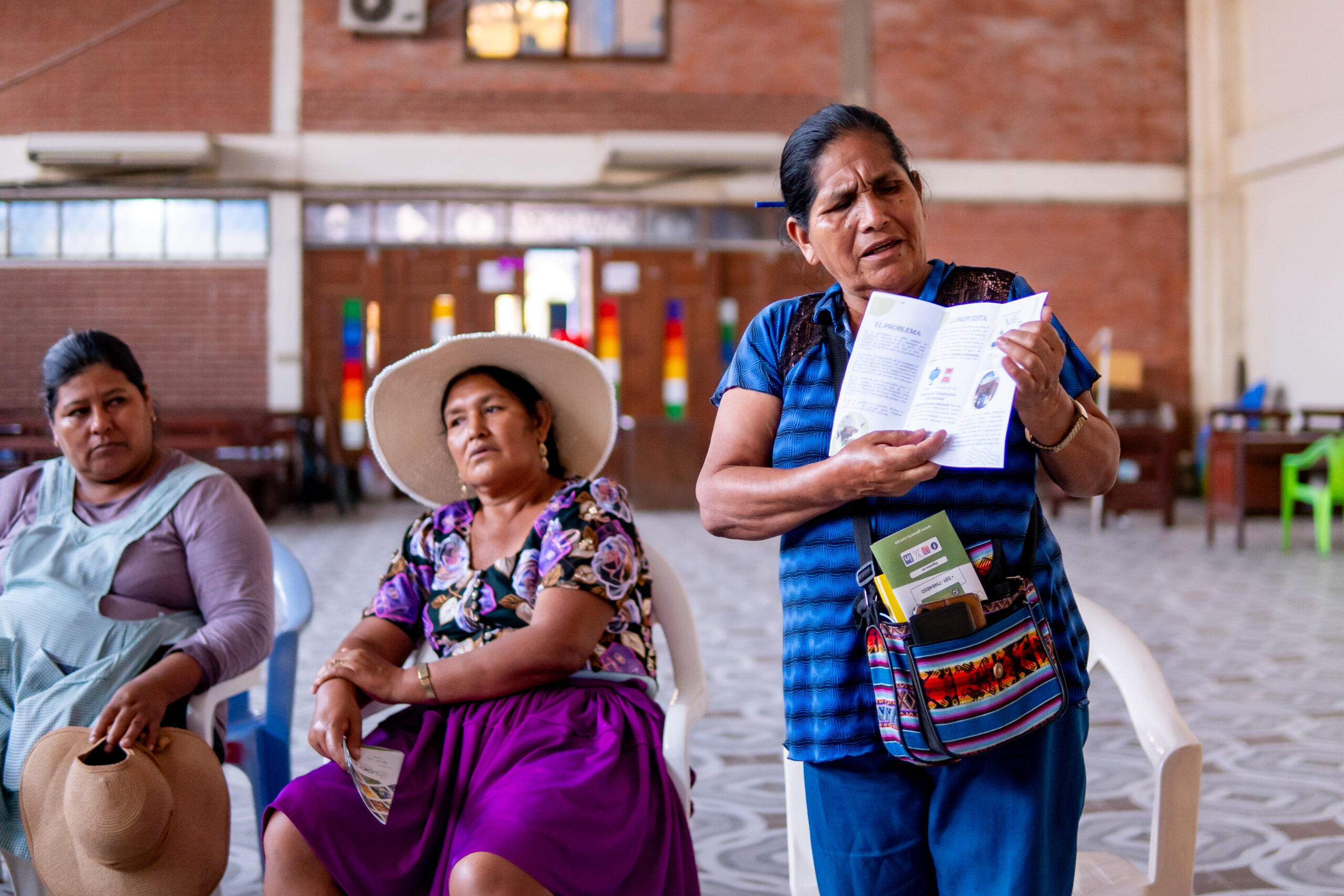
Decentralised renewable energy for rural SMEs in Bolivia: benefits, opportunities and challenges for women
8 July 2026
Bolivia is facing an energy crisis marked by shortages of diesel and petrol, and by high energy costs. For small and medium-sized rural family-based enterprises (SMEs), which play a central role in food production and in sustaining rural livelihoods, this situation increases operating costs, affects productive continuity and limits competitiveness, especially in territories with limited […]