

Driving Climate Action with Clean Energy: Insights from COP29
24 November 2024
As COP29 concludes in Baku, Azerbaijan, global leaders and stakeholders reflect on the progress made in addressing the climate crisis. With its focus on sustainable energy transitions, equitable climate finance, and inclusive policymaking, this year’s conference highlighted the critical role of clean energy in achieving climate resilience. These themes resonate strongly with the priorities of CEDCA (Clean Energy for Development: Call to Action), which emphasizes knowledge translation, community-led solutions, and gender-inclusive strategies for clean energy development.
The Clean Energy Mandate
COP29 reinforced the urgency of transitioning to clean energy to mitigate the impacts of climate change. The energy sector remains the largest contributor to global greenhouse gas emissions, responsible for 75% of global emissions according to the International Energy Agency (IEA). Discussions at the conference stressed the need for rapid decarbonization and increased investment in renewable energy infrastructure.
CEDCA’s initiatives align with these goals, advocating for knowledge-driven, scalable energy solutions tailored to local contexts. Its projects focus on bridging research and practice to ensure energy transitions are sustainable and inclusive.
Localized Solutions for Global Challenges
One of COP29’s key takeaways is the importance of localized, context-specific approaches to clean energy. Global solutions must be adaptable to the unique needs of communities, particularly in low- and middle-income countries (LMICs). CEDCA’s projects emphasize this principle, advocating for community-driven initiatives such as solar microgrids and clean cooking technologies.
For example, decentralized renewable energy systems have been transformative in rural areas of sub-Saharan Africa and South Asia, providing reliable and affordable energy to communities previously reliant on fossil fuels. These systems align with COP29’s push for technologies that not only reduce emissions but also empower local populations.
Financing Clean Energy: A Path to Equity
COP29 also underscored the critical role of climate finance in accelerating energy transitions. A renewed pledge to mobilize $100 billion annually for climate action highlighted the urgency of channelling funds toward clean energy projects. However, equitable allocation remains a challenge.
CEDCA advocates for innovative financing models, such as blended finance and community contributions, to ensure resources reach underserved areas. These models are essential for scaling renewable energy projects while fostering local ownership and sustainability.
Gender and Inclusivity in Energy Transitions
Gender equity was a major focus at COP29, particularly in discussions on climate adaptation and resilience. Women, especially in LMICs, face systemic barriers to accessing clean energy and participating in decision-making processes. Yet, they play a critical role in driving community-based solutions.
CEDCA’s projects align with this emphasis, advocating for gender-responsive approaches to clean energy. For instance, initiatives promoting women’s leadership in renewable energy sectors have demonstrated significant benefits, from increased adoption rates to enhanced social trust. These findings echo COP29’s call for inclusive policies that prioritize the voices and needs of marginalized groups.
Translating Research into Impact
A central theme at COP29 was the need to turn research into actionable solutions. CEDCA’s projects address this gap by providing tools and strategies for effectively bridging the divide between academic findings and real-world applications.
Key priorities include:
- Capacity-Building: Empowering local stakeholders to adopt and maintain clean energy systems.
- Collaborative Networks: Fostering partnerships between researchers, policymakers, and practitioners.
- Accessible Outputs: Creating user-friendly briefs, summaries, and toolkits to support evidence-based decision-making.
These approaches are essential for ensuring that clean energy transitions are not only scientifically robust but also practical and impactful.
Call to Action
As COP29 draws to a close, the message is clear: clean energy is not just a technological challenge but a social and economic imperative. By integrating insights from COP29 and CEDCA’s initiatives, we can advance sustainable, equitable energy transitions that benefit all.
Explore our latest findings and insights in the publication Clean Energy for Development: A Call to Action on IDS OpenDocs.
References
blog
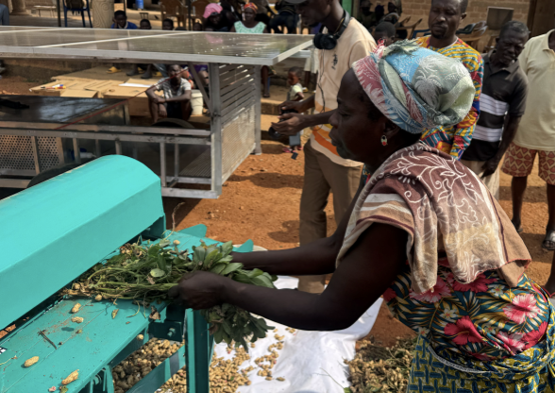
Smallholder farmer testing INFoCAT renewable energy powered groundnut pod plucker in Gomoa (Central Region, Ghana). Photo by UNU INRA.
Webinar: Clean Energy Transitions: A care economy lens
Wednesday 16 September 2026
Clean energy transitions: what changes when we put care at the centre? Join us for an engaging webinar exploring how clean energy transitions can do more than expand access to power: they can also reduce drudgery, shift how unpaid care work is recognised and shared, and open up new opportunities for women and young people in […]
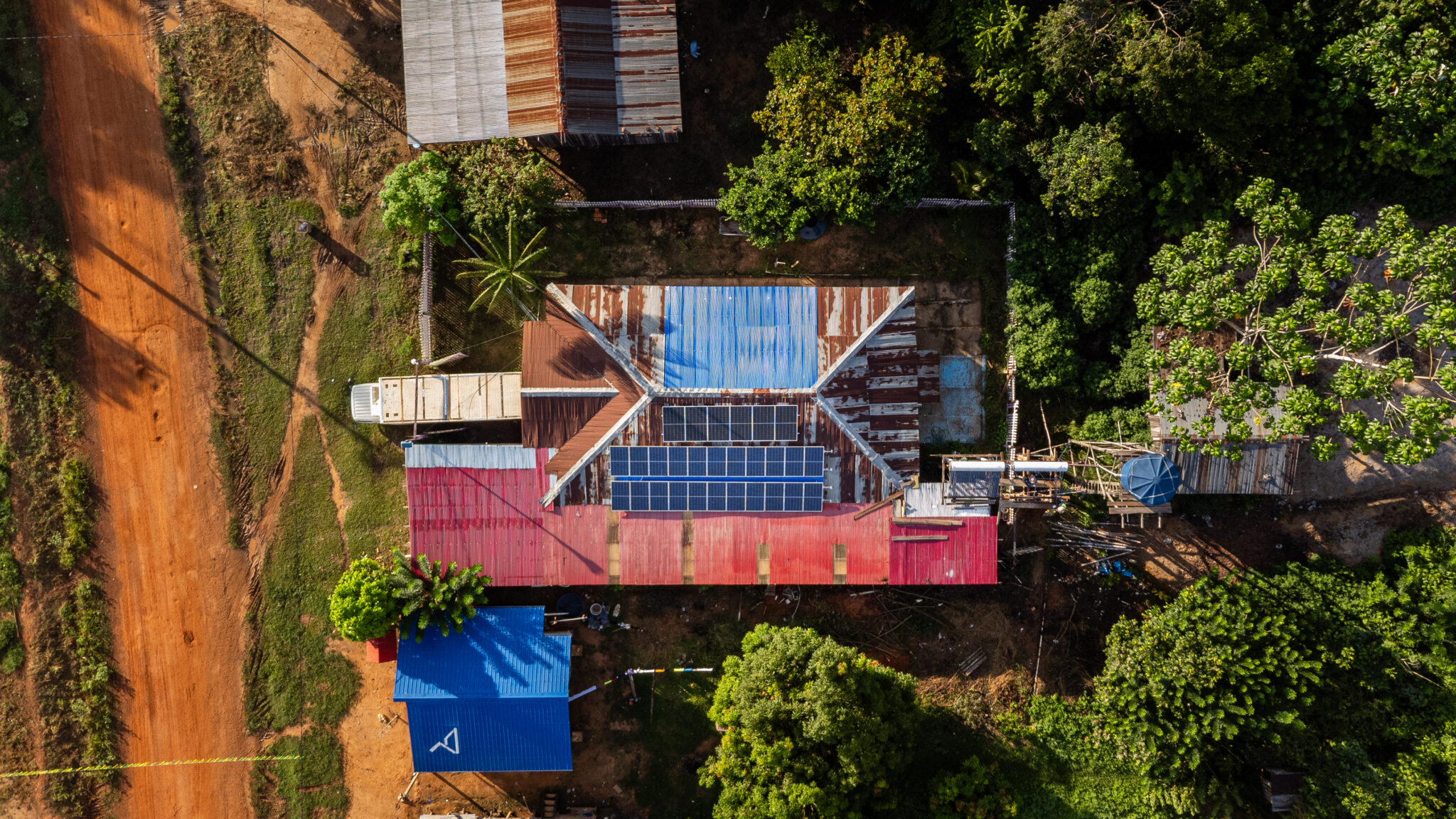
Solar panels, Bolivia
Inclusive and Clean Energy for SMEs in Rural Bolivia
7 October 2026
Bolivia has achieved high rates of electricity access, yet rural and semi-rural producers still face major barriers to securing reliable, affordable energy for productive use. Small- and medium-sized enterprises (SMEs) in the agrifood sector play a central role in ensuring national food security and creating employment. However, they remain highly dependent on fossil-fuel-powered pumps with […]
Smallholder farmer testing INFoCAT renewable energy powered groundnut pod plucker in Gomoa (Central Region, Ghana). Photo by UNU INRA.
Putting care at the centre of clean energy transitions
14 October 2026
Clean energy transitions are often discussed in terms of technology, finance and climate targets. But what changes when we put care at the centre? Across many low- and middle-income countries, women and girls carry a disproportionate share of unpaid care and domestic work. Cooking, collecting fuel and water, caring for others, processing food, and sustaining […]