
Innovating Financial Mechanisms for Promoting a Clean Energy Transition and Energy Efficiency in the MENA Region
This project seeks to conduct an energy efficiency market analysis of the commercial and industrial private sectors in these countries. It will enhance understanding of the systemic factors that enhance or constrain women’s and youth’s access to business opportunities in clean energy innovation and entrepreneurship, and document promising best practices.
An important focus will be on how energy-efficiency projects could generate benefits for the private sector, including identifying potential financing options and conditions for investments in these sectors. The project is expected to strengthen the evidence base, enhance research capacity and enable effective communications and research uptake. By providing a clearer understanding of the barriers to energy efficiency/renewable energy investments from regional and gender-based perspectives, the results of this research are meant to improve the design of future sustainable energy-efficiency investment vehicles.
Investments in sustainable energy transitions and energy efficiency in developing countries are on the rise, but still need to be taken to scale. Countries seek to improve evidence-based policy to scale up innovations on energy efficiency, financing instruments in inclusive low-carbon transitions, and to inform the business models for institutional and private investors. However, knowledge gaps persist around the types of evidence needed to inform piloting and scaling of clean energy best practices (enterprises and business models) to ensure just transition that takes account of women’s and youth’s needs for a greater transformational impact.
project
Location
Egypt, Morocco, Tunisia,
Project outputs
Local Capital Solutions for Blended Climate Finance in Southeast Asia
Join this upcoming webinar hosted by Convergence, in partnership with the Catalytic Climate Finance Facility (CC Facility) Learning Hub, on strategies to mobilise domestic capital for climate blended finance in Southeast Asia. The session will draw on insights from the Learning Hub’s report Domestic Capital Mobilization for Climate Finance in Southeast Asia, with a focus […]
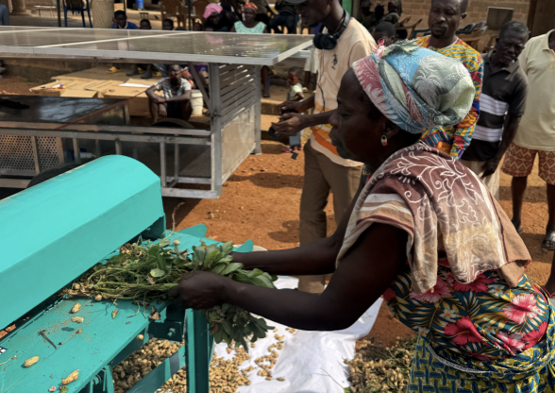
Smallholder farmer testing INFoCAT renewable energy powered groundnut pod plucker in Gomoa (Central Region, Ghana). Photo by UNU INRA.
Clean Energy Transitions: A Care Economy Lens
20 April 2026
How can clean energy transitions reduce energy poverty while also addressing the unequal burden of unpaid care work? This is an increasingly urgent question as the global shift to clean energy reshapes not only energy systems, but everyday life within households. Across many low- and middle-income countries, women and girls continue to shoulder a disproportionate […]
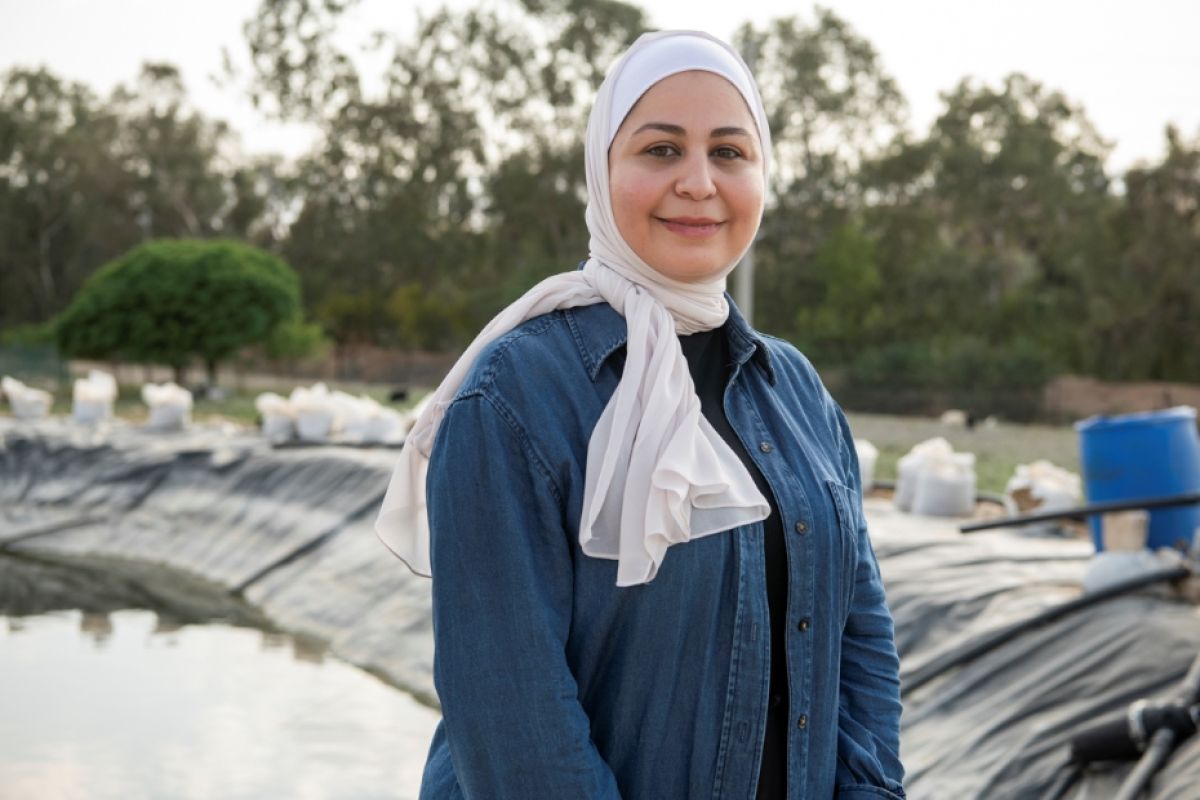
Credit: Nadia Bseiso
Fostering an inclusive energy transition through micro, small and medium-sized enterprises
7 January 2026
Micro, small and medium-sized enterprises (MSMEs) are the main engine of economic growth in the Middle East and North Africa (MENA). The transition to a green economy represents both an environmental necessity and a significant economic opportunity for the region. However, without an intentional focus on gender, this transformation risks reinforcing existing inequalities, rather than […]