
Women and Clean Energy in West Africa (WOCEWA)
This project aims to reduce the gender gap in the energy sector in West Africa consistent with the policy for gender mainstreaming in energy access of the Economic Community of West African States (ECOWAS). The policy seeks to ensure that women and men have equal opportunities to enter and succeed in energy-related fields in the private sector. Its target is to achieve gender balance (50-50) by 2030.
With women-led small and medium-sized enterprises in the energy sector still accounting for less than 10 percent in the ECOWAS region, there is a need to evaluate the current gender mainstreaming strategies, test innovative approaches and use the findings to shape and inform the formulation of new, gender-inclusive finance programs to facilitate business start-ups in the clean energy sector. The project will also inform the scaling of technical and vocational training as well as entrepreneurship and business management training in the energy sector targeted at women.
project
Location
Benin, Burkina Faso, Cabo Verde, Côte d’Ivoire, Ghana, Guinea, Guinea Bissau, Liberia, Mali, Niger, Nigeria, Senegal, Sierra Leone, The Gambia, Togo,
Project outputs
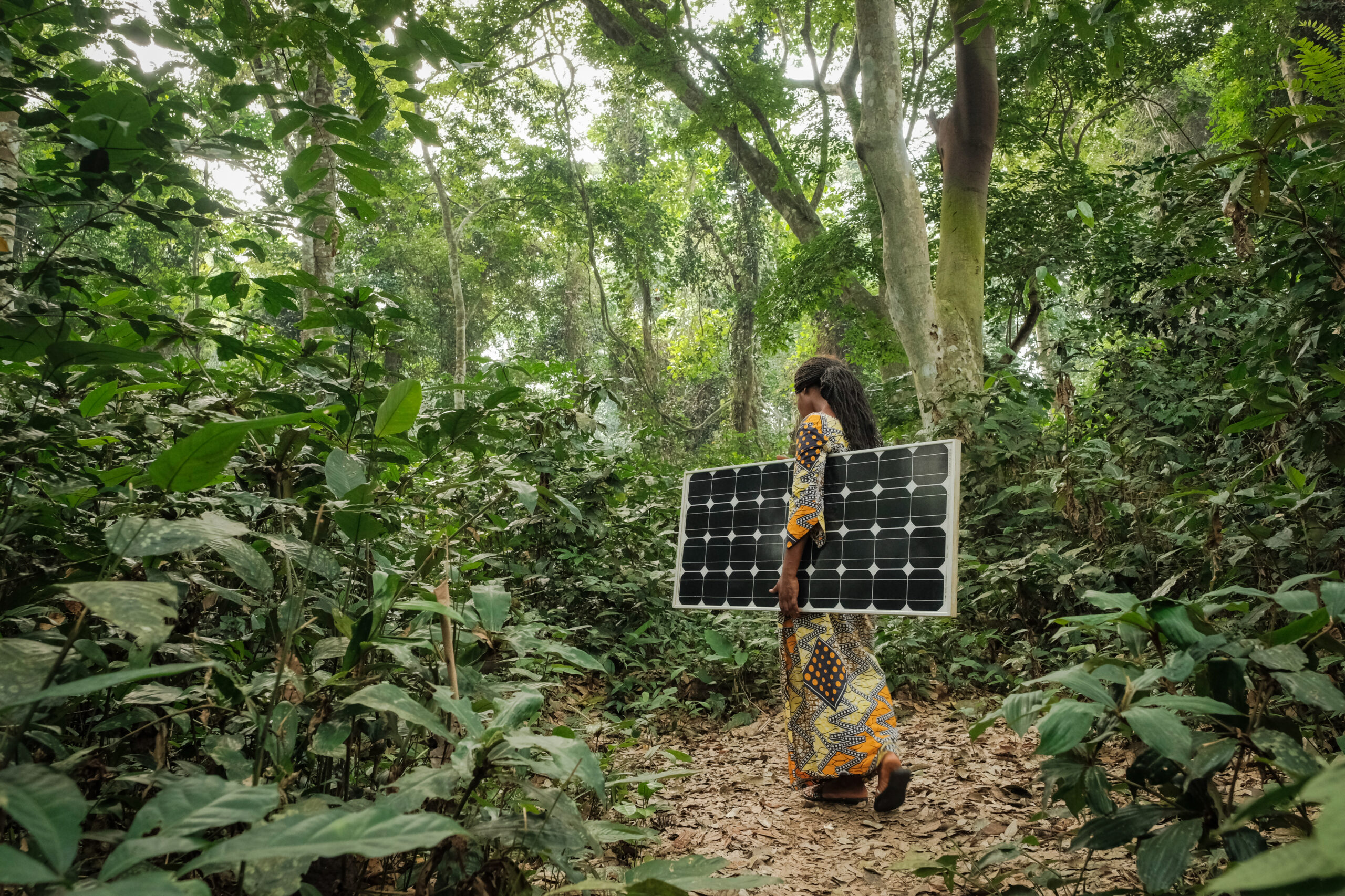
Woman carrying a solar pannel near Yangambi, DRC. Photo by Axel Fassio/CIFOR via Flickr under licence CC BY-NC-ND 2.0. https://flic.kr/p/27NYoQe
Gender-Responsive Renewable Energy for Empowerment and Inclusive Energy Transitions
Tuesday 10 November 2026
This side event, hosted by the International Centre for Integrated Mountain Development (ICIMOD) as part of COP31, will explore how gender-responsive renewable energy can strengthen women’s livelihoods, agency and economic opportunities, drawing on field experiences from regional and global evidence, policy and financing perspectives. This event is in-person only, and open to anyone attending the […]
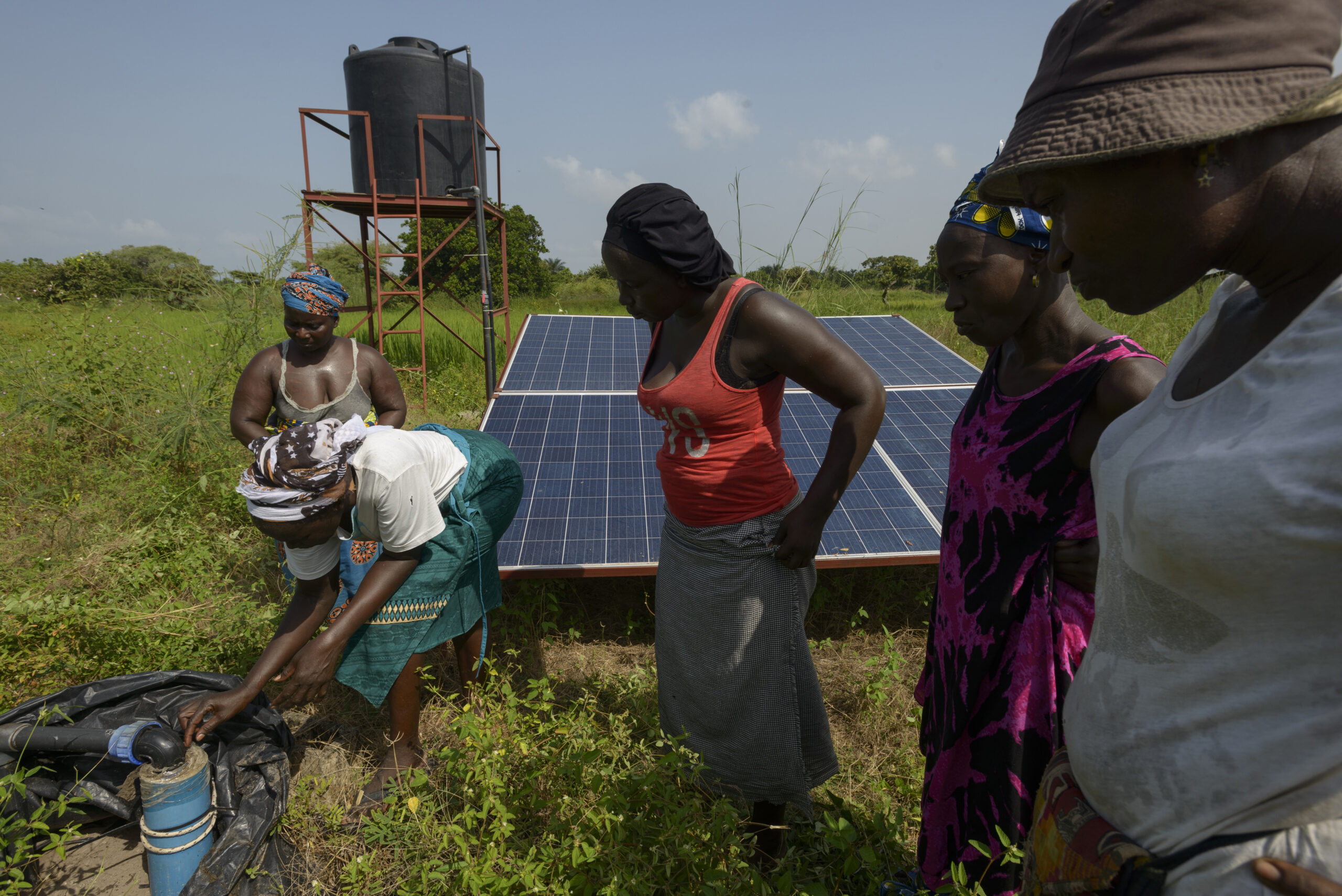
Women working in their fields in GIE Kaout, a women- led agricultural cooperative in Senegal. The group of 32 women grow rice in order to develop the cultivation of other produce such as fruits and vegetables. Their plot is fenced and has a water tower with solar panels to run the pump. Credit: © JB Russell/Panos Pictures
From Clean Energy Transition to Just Energy Futures
18 November 2026
The major scientific and policy focus of the global clean energy transition has thus far been on issues of technological feasibility. Yet evidence from the Clean Energy for Development research initiative suggests that the greatest barriers to inclusive transition are often not technological, but financial, institutional, and social. Drawing on evidence from 12 projects across […]
Women working in their fields in GIE Kaout, a women- led agricultural cooperative in Senegal. The group of 32 women grow rice in order to develop the cultivation of other produce such as fruits and vegetables. Their plot is fenced and has a water tower with solar panels to run the pump. Credit: © JB Russell/Panos Pictures
Beyond COP31: putting people at the heart of the clean energy transition
19 November 2026
As COP31 draws to a close, new evidence from across 27 countries shows that the biggest barriers to an inclusive clean energy transition are often not technological, but financial, institutional and social. As attention shifts from negotiation to delivery, a new research synthesis report ‘From Clean Energy Transition to Just Energy Futures’ offers a practical […]