
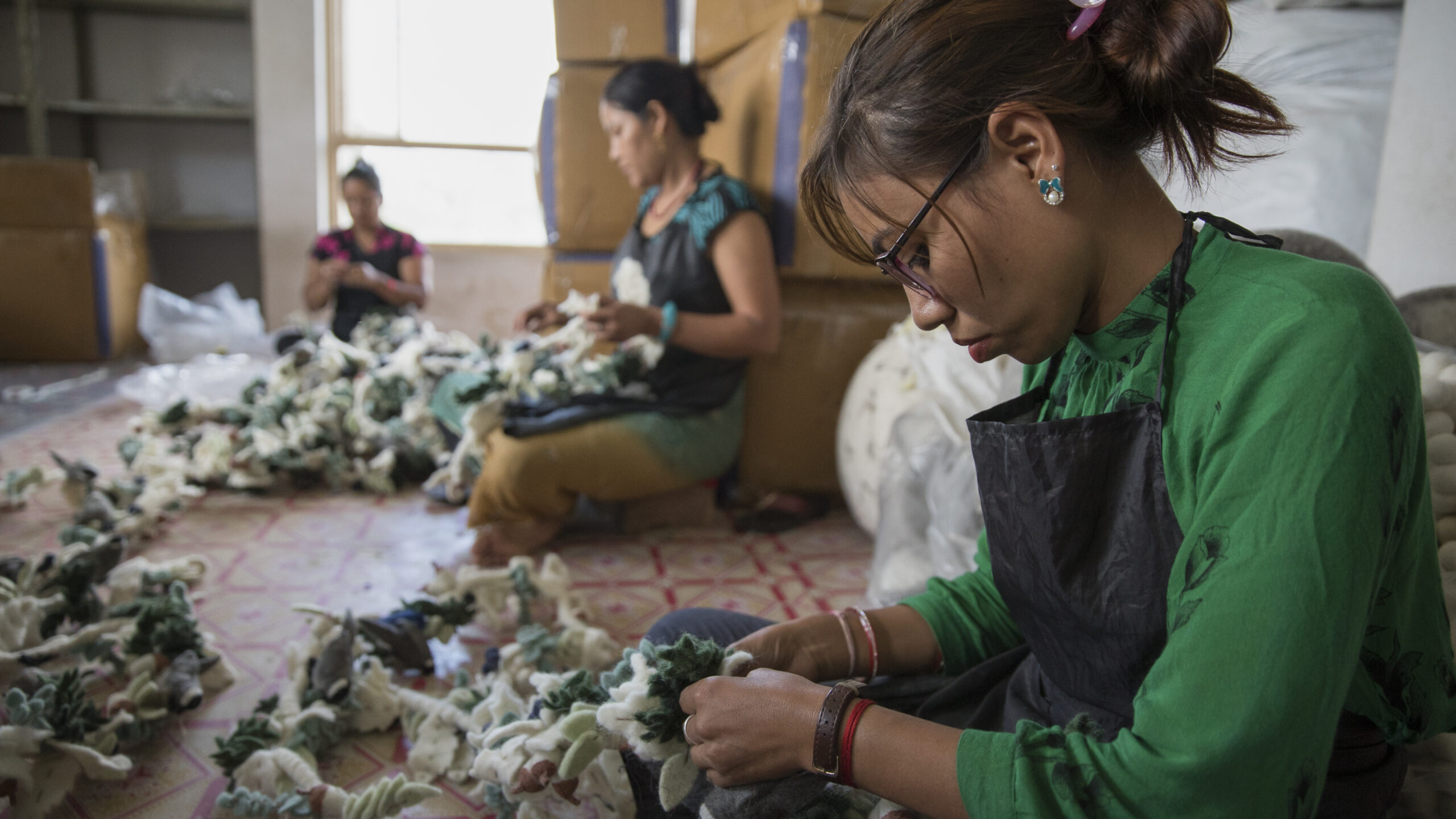
'Women Stitch Handicrafts' by World Bank Photo Collection via Flickr (CC BY-NC-ND 2.0) https://flic.kr/p/QuyzXN
Clean Energy Brief: Global Clean Energy Policy and the Inclusion of Women and Youth
31 October 2024
This is a Clean Energy Brief.
The Summary
This Clean Energy Brief assesses the available evidence, opportunities, and challenges for the inclusion of women and youth, through micro-, small- and medium-sized enterprises (MSMEs), for global clean energy policy innovations. In this context, policy innovations are understood to be the actions and instruments which both support low-carbon energy (renewable and non-renewable) transitions, and disincentivise the use of fossil fuels. This is particularly significant where, to date, low-carbon energies have been additions to the global energy mix, rather than replacements for fossil fuels (Bell et al. 2020).
The brief was prepared for the Clean Energy for Development: A Call to Action (CEDCA) initiative’s February 2024 learning workshop in Nairobi, funded by the International Development Research Centre (IDRC) and hosted by the Institute of Development Studies (IDS) in their knowledge translation role. The initiative generates evidence to inform public policy reform and innovation to support clean energy transitions where women and youth play a key role. This brief is not a systematic review of the available literature; it is instead intended to serve as a discussion point for the researchers working on clean energy for development projects.
To read the full Clean Energy Brief, please click here.
Cite this publication
Cheeseman, K. (2024) Global Clean Energy Policy and the Inclusion of Women and Youth, CEDCA Clean Energy Brief 1, Brighton: Institute of Development Studies DOI: 10.19088/IDS.2024.039
Copylearning
Theme
Inclusion, Gender
Webinar – Local Capital Solutions for Blended Climate Finance in Southeast Asia
Thursday 30 April 2026
Join this upcoming webinar hosted by Convergence, in partnership with the Catalytic Climate Finance Facility (CC Facility) Learning Hub, on strategies to mobilise domestic capital for climate blended finance in Southeast Asia. The session will draw on insights from the Learning Hub’s report Domestic Capital Mobilization for Climate Finance in Southeast Asia, with a focus […]
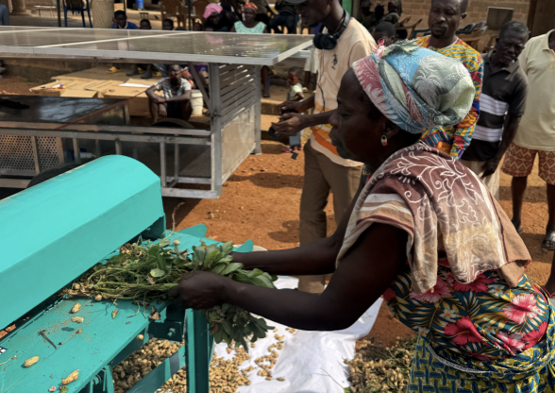
Smallholder farmer testing INFoCAT renewable energy powered groundnut pod plucker in Gomoa (Central Region, Ghana). Photo by UNU INRA.
Clean Energy Transitions: A Care Economy Lens
20 April 2026
How can clean energy transitions reduce energy poverty while also addressing the unequal burden of unpaid care work? This is an increasingly urgent question as the global shift to clean energy reshapes not only energy systems, but everyday life within households. Across many low- and middle-income countries, women and girls continue to shoulder a disproportionate […]
New from GENERIS: research and insights on decentralised renewable energy in Bolivia
30 April 2026
The GENERIS project, partners of Clean Energy for Development: A Call to Action (CEDCA), explores how decentralised renewable energy can support micro, small and medium enterprises (MSMEs), local livelihoods and inclusive energy transitions in Bolivia. Recent outputs from the project highlight the role of renewable energy in productive use, gender inclusion and sustainable development, drawing […]