

Improving outcomes for women-led clean energy enterprises through applied research
This project seeks to reduce barriers and improve pathways to growth for women-led enterprises in clean energy, with a particular focus on gender-smart capital mobilisation towards locally relevant clean energy solutions. It will do so by launching a catalyst collaborative research fund for partnerships between local researchers and implementers, and by supporting research on the impact of localised and Southern-led investment in clean energy. The project will foster capacities in impact measurement and management. It includes knowledge sharing and outreach and engagement to leverage the research findings to mobilise capital towards impactful clean energy solutions in local contexts.
A clean energy transition that improves the lives of marginalised groups and communities has emerged as a key driver for achieving many of the Sustainable Development Goals and the Paris climate goals. Ensuring everyone has access to sufficient clean energy is an opportunity to reduce gender-based inequalities and strengthen climate action and resilience.
Small and growing businesses can play an important role in addressing energy needs and in fostering an inclusive and sustainable transition to clean energy. However, women and young people are underrepresented within clean energy entrepreneurship, despite evidence that gender-balanced funding teams are more successful, and despite women’s central role in the transition toward clean energy as customers, employees, entrepreneurs and community members.
Lack of access to capital (a recurring issue for young women entrepreneurs in particular), challenges in networking and forming partnerships, cultural and social norms, the care economy (women’s role as caregivers in the family and community), and reduced mentorship and training opportunities are among the key barriers. While these barriers are common across different sectors, their impact on women entrepreneurs is particularly pronounced in the renewable sector due to the sector’s heavy reliance on technology and its male-dominated nature.
Project outputs
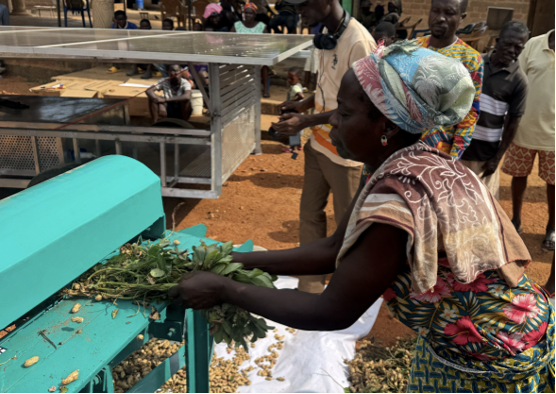
Smallholder farmer testing INFoCAT renewable energy powered groundnut pod plucker in Gomoa (Central Region, Ghana). Photo by UNU INRA.
Webinar: Clean Energy Transitions: A care economy lens
Wednesday 16 September 2026
Clean energy transitions: what changes when we put care at the centre? Join us for an engaging webinar exploring how clean energy transitions can do more than expand access to power: they can also reduce drudgery, shift how unpaid care work is recognised and shared, and open up new opportunities for women and young people in […]
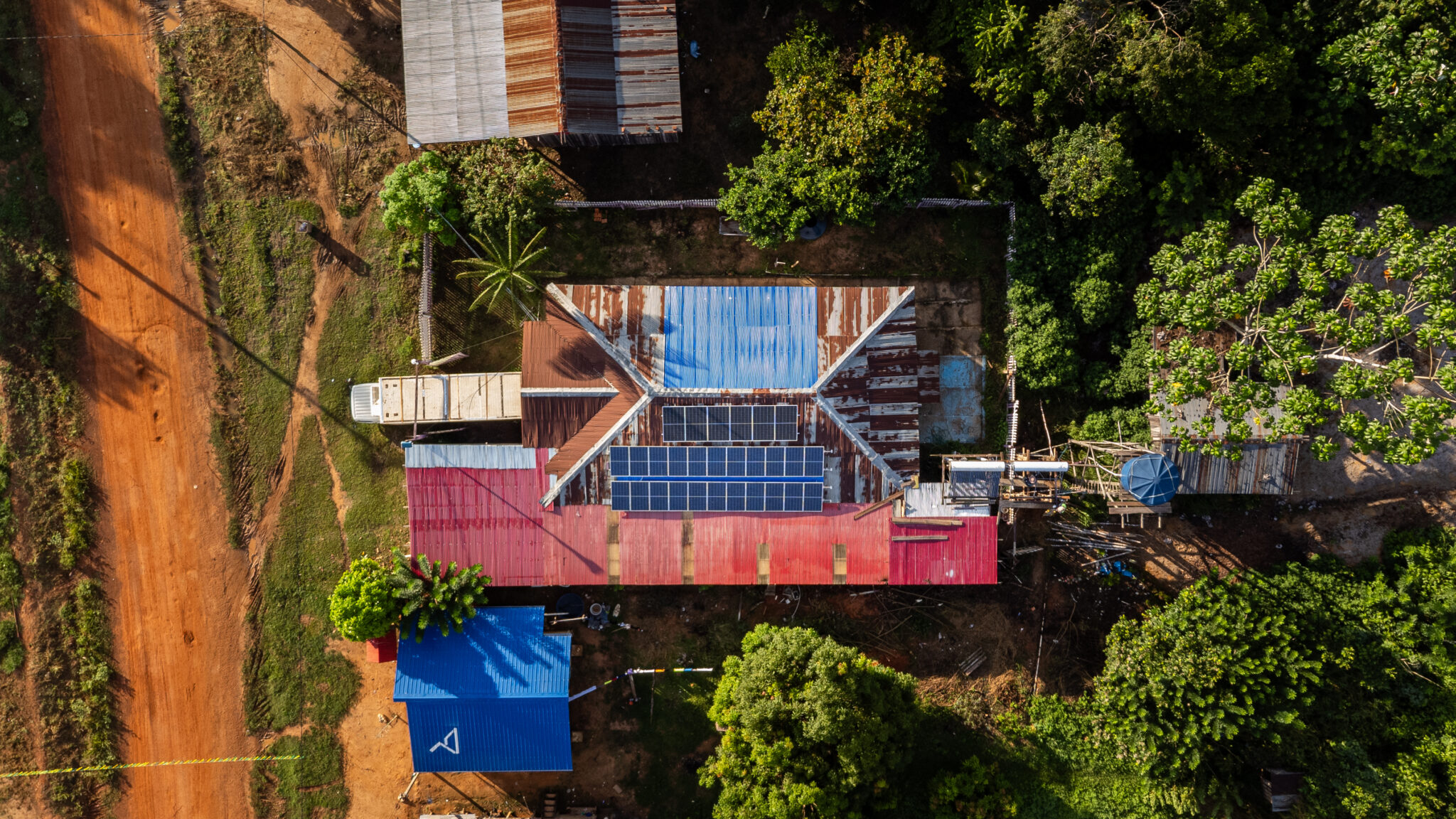
Solar panels, Bolivia
Inclusive and Clean Energy for SMEs in Rural Bolivia
7 October 2026
Bolivia has achieved high rates of electricity access, yet rural and semi-rural producers still face major barriers to securing reliable, affordable energy for productive use. Small- and medium-sized enterprises (SMEs) in the agrifood sector play a central role in ensuring national food security and creating employment. However, they remain highly dependent on fossil-fuel-powered pumps with […]
Smallholder farmer testing INFoCAT renewable energy powered groundnut pod plucker in Gomoa (Central Region, Ghana). Photo by UNU INRA.
Putting care at the centre of clean energy transitions
14 October 2026
Clean energy transitions are often discussed in terms of technology, finance and climate targets. But what changes when we put care at the centre? Across many low- and middle-income countries, women and girls carry a disproportionate share of unpaid care and domestic work. Cooking, collecting fuel and water, caring for others, processing food, and sustaining […]