
Solar panels, Bolivia
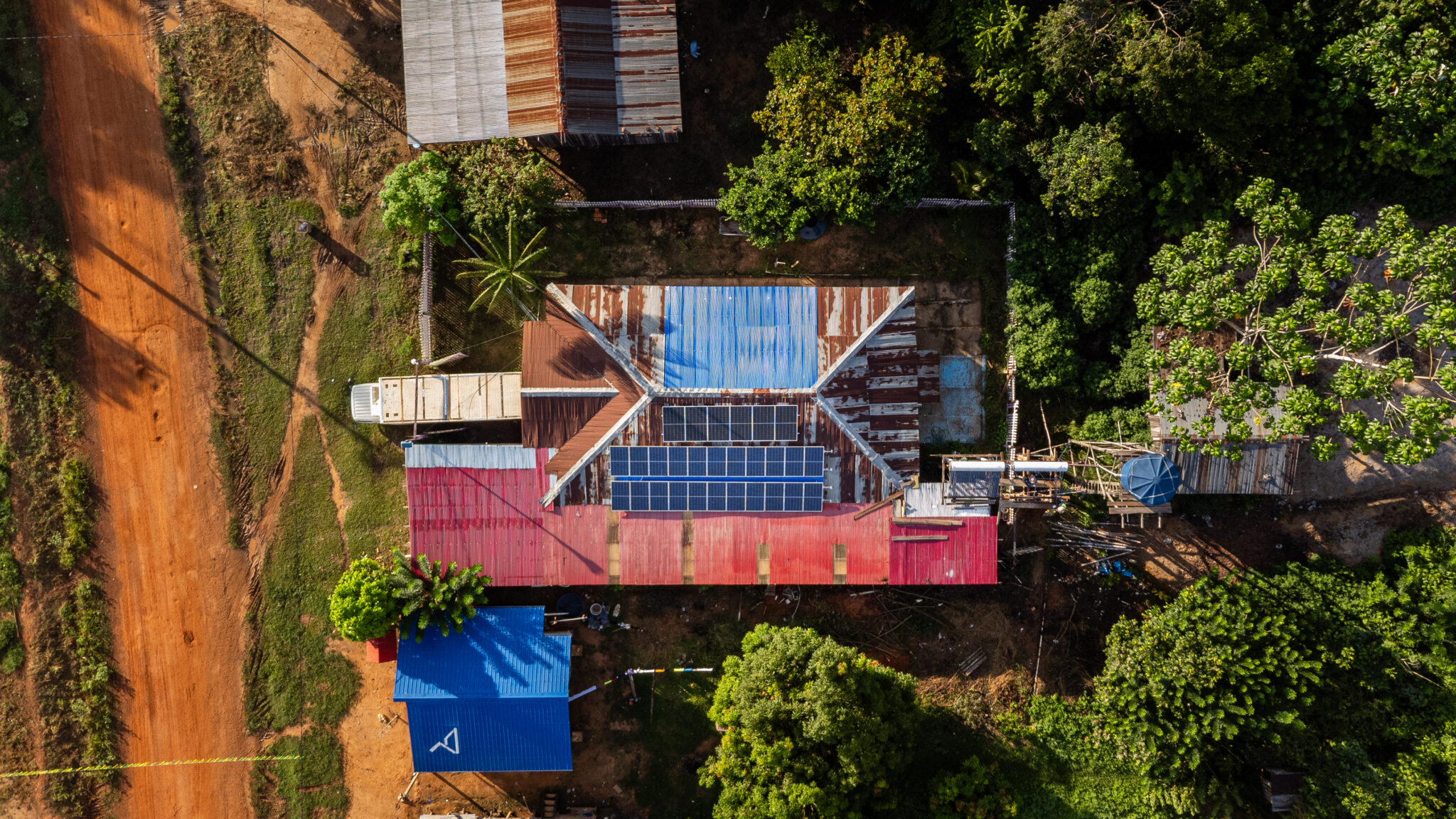
Inclusive and Clean Energy for SMEs in Rural Bolivia
7 October 2026
Summary
Bolivia has achieved high rates of electricity access, yet rural and semi-rural producers still face major barriers to securing reliable, affordable energy for productive use. Small- and medium-sized enterprises (SMEs) in the agrifood sector play a central role in ensuring national food security and creating employment. However, they remain highly dependent on fossil-fuel-powered pumps with negative implications for productivity and competitiveness. Distributed renewable energy systems (RES) could help overcome these barriers while supporting Bolivia’s energy transition. However, challenges exist to align RES with the technical, temporal, and logistical requirements of site-specific agricultural operations. The technology is unknown to remote farmers and SME owners, the upfront costs are high, and suppliers are concentrated in urban areas.
The GENERIS project, implemented by Fundación Bariloche, delivered eleven solar photovoltaic (PV) and three solar thermal pilots across seven of Bolivia’s nine departments. It carried out value chain analysis to show the technical viability of distributed solar energy and potential pathways for scaling. By revealing regulatory, financial, and market misalignments, the project helped shape national dialogue among regulators, distributors, financiers, and private suppliers. It has laid the groundwork for a more inclusive and practical energy transition.
Cite this publication
Caruana, M.E.C.; Bravo, G.; Fuentes, M.F. and Clark, L. (2026) 'Inclusive and Clean Energy for SMEs in Rural Bolivia', CEDCA Stories of Change 2, Brighton: Institute of Development Studies, DOI: 10.19088/CEDCA.2026.003
Copylearning
Theme
clean energy transition, solar, inclusion, SMEs
Documents
Associated Project
Decentralised Renewable and Inclusive Energy Systems in Bolivia (GENERIS)
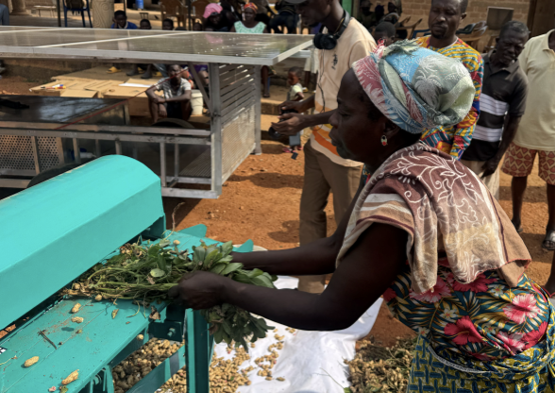
Smallholder farmer testing INFoCAT renewable energy powered groundnut pod plucker in Gomoa (Central Region, Ghana). Photo by UNU INRA.
Webinar: Clean Energy Transitions: A care economy lens
Wednesday 16 September 2026
Clean energy transitions: what changes when we put care at the centre? Join us for an engaging webinar exploring how clean energy transitions can do more than expand access to power: they can also reduce drudgery, shift how unpaid care work is recognised and shared, and open up new opportunities for women and young people in […]
Solar panels, Bolivia
Inclusive and Clean Energy for SMEs in Rural Bolivia
7 October 2026
Bolivia has achieved high rates of electricity access, yet rural and semi-rural producers still face major barriers to securing reliable, affordable energy for productive use. Small- and medium-sized enterprises (SMEs) in the agrifood sector play a central role in ensuring national food security and creating employment. However, they remain highly dependent on fossil-fuel-powered pumps with […]
Smallholder farmer testing INFoCAT renewable energy powered groundnut pod plucker in Gomoa (Central Region, Ghana). Photo by UNU INRA.
Putting care at the centre of clean energy transitions
14 October 2026
Clean energy transitions are often discussed in terms of technology, finance and climate targets. But what changes when we put care at the centre? Across many low- and middle-income countries, women and girls carry a disproportionate share of unpaid care and domestic work. Cooking, collecting fuel and water, caring for others, processing food, and sustaining […]