
Mobilization of renewable energies by women and young entrepreneurs’ sustainable economic empowerment in Senegal
This project aims to increase the participation of women and youth in renewable energy value chains (REVCs) to foster the transition to clean energy in Senegal. The transition is slow to materialise despite the growing availability of technological solutions and the downward cost trend. The research will investigate the systemic barriers women and youth face as suppliers and promoters to access business opportunities/solutions in clean energy value chains and to promote energy innovations.
This project will: deepen knowledge of young people and women entrepreneurs as target clientele in REVCs through identification of profiles, gender barriers, barriers to innovation and potential for creativity; map sustainable economic levers and opportunities and identify support mechanisms to encourage the adoption of renewable energy solutions; strengthen the entrepreneurial capacities of young entrepreneurs in business leadership and through identification of projects with strong multiplier potential and adapted to a low-carbon transition; and strengthen the capacity of key stakeholders such as financial institutions, business services providers and other key players in the support ecosystem for clean transition to better meet the needs of women and young entrepreneurs.
This information will generate high-quality, gender-responsive, actionable evidence for innovative national responses to support gender-inclusive and sustainable energy planning and policies in Senegal.
project
Location
Senegal,
Webinar: Clean Energy Transitions: A care economy lens
Wednesday 16 September 2026
Clean energy transitions: what changes when we put care at the centre? Join us for an engaging webinar exploring how clean energy transitions can do more than expand access to power: they can also reduce drudgery, shift how unpaid care work is recognised and shared, and open up new opportunities for women and young people in […]
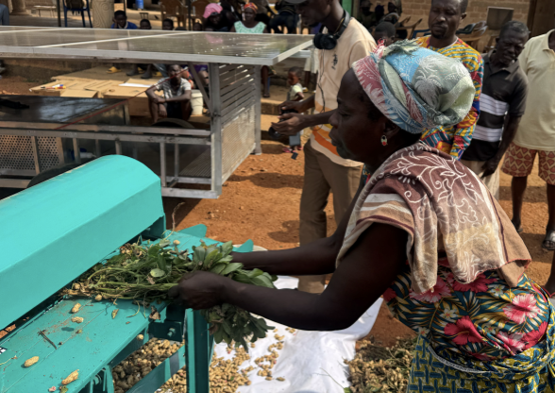
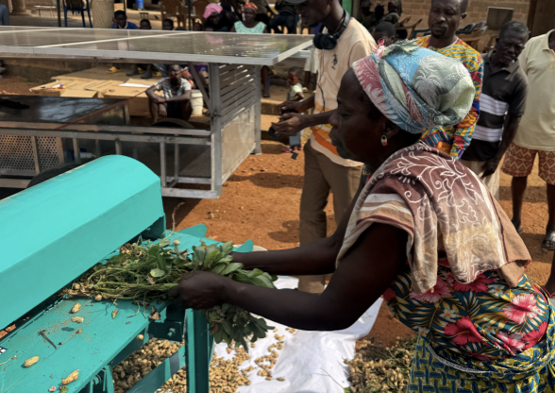
Smallholder farmer testing INFoCAT renewable energy powered groundnut pod plucker in Gomoa (Central Region, Ghana). Photo by UNU INRA.
Clean Energy Transitions: A Care Economy Lens
20 April 2026
How can clean energy transitions reduce energy poverty while also addressing the unequal burden of unpaid care work? This is an increasingly urgent question as the global shift to clean energy reshapes not only energy systems, but everyday life within households. Across many low- and middle-income countries, women and girls continue to shoulder a disproportionate […]
Decentralised renewable energy for rural SMEs in Bolivia: benefits, opportunities and challenges for women
8 July 2026
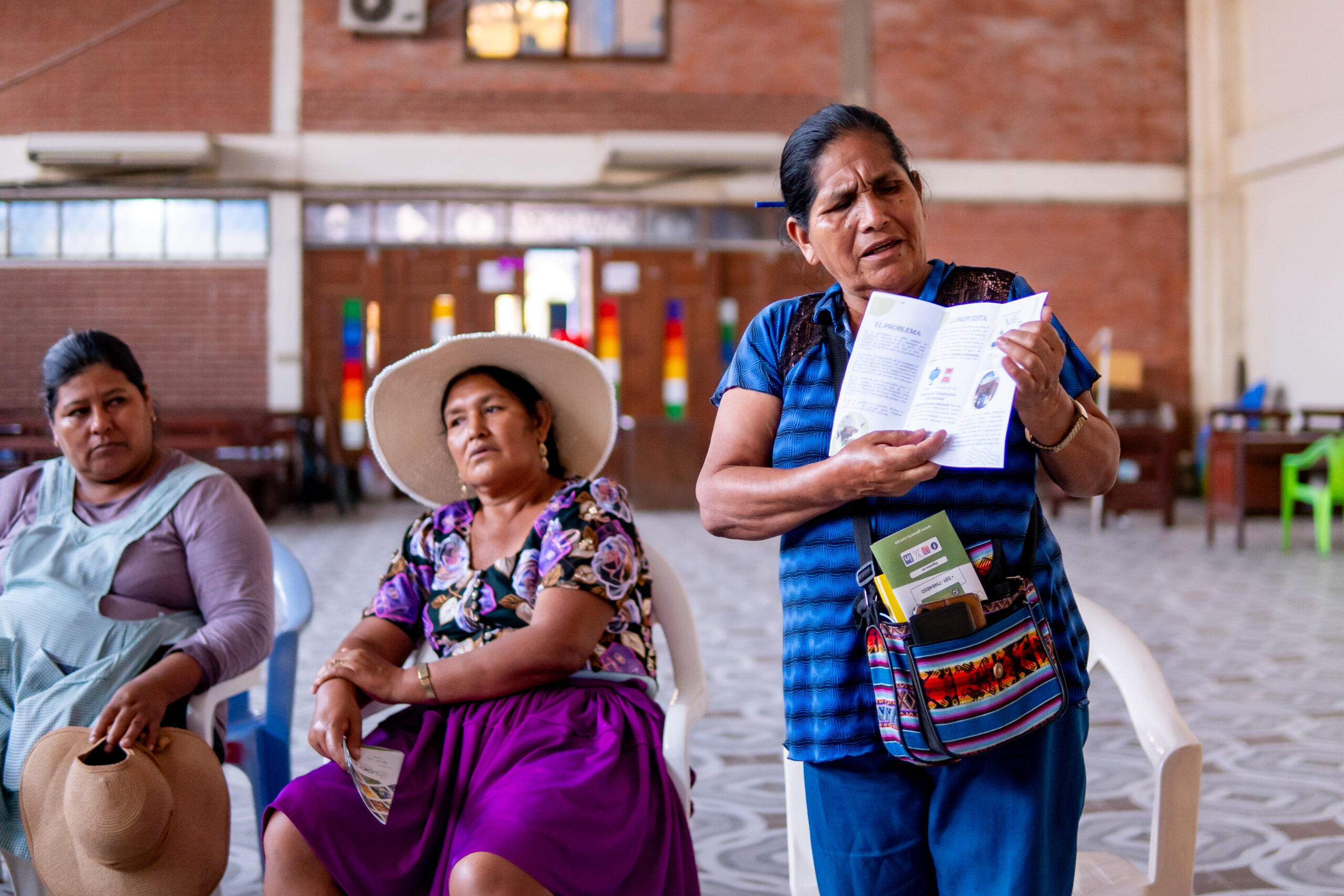
Bolivia is facing an energy crisis marked by shortages of diesel and petrol, and by high energy costs. For small and medium-sized rural family-based enterprises (SMEs), which play a central role in food production and in sustaining rural livelihoods, this situation increases operating costs, affects productive continuity and limits competitiveness, especially in territories with limited […]